






A Rising Tide of Travel Anxiety
The anticipation of long queues, the fear of lost luggage, and the uncertainty of delays are enough to deter a significant number of travellers from even booking a flight. According to the SITA 2026 Passenger IT Insights report, a staggering 42% of passengers
worldwide have decided against a trip because they expected it to be too stressful. The report, which surveyed nearly 8,000 travellers across 24 countries, paints a clear picture: the operational realities of flying are creating a major barrier to travel. This isn't just a minor inconvenience; it's a direct hit to the aviation and tourism industries, representing lost bookings, empty hotel rooms, and reduced spending at airports.
Pinpointing the Pain Points
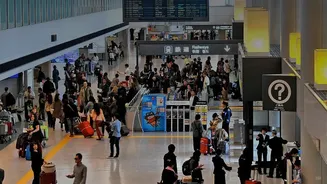
So, what exactly is causing this widespread stress? The SITA report identifies a few key culprits that consistently frustrate passengers. Topping the list are operational issues like flight delays, cancellations, and long queues. Concerns about baggage—specifically, the worry of it being lost or mishandled—also rank high. David Lavorel, CEO of SITA, notes that most of these anxieties boil down to a single factor: 'not knowing what happens next'. This uncertainty is particularly acute in the period between security screening and boarding. SITA's research found that a third of passengers now feel anxious during this 'dwell time', a figure that has tripled since 2023. This anxiety prevents passengers from relaxing, shopping, or dining, turning potential commercial opportunities into periods of worry.
The Most Affected Travellers
While travel stress is a widespread issue, it disproportionately affects the industry's most valuable and emerging customer segments. According to the findings, six in ten frequent flyers have abandoned a trip due to anticipated stress. Similarly, more than half of travellers under the age of 30—the next generation of core customers—have made the same decision. These younger travellers, along with frequent flyers, are also the most optimistic about potential fixes. The survey shows that an overwhelming majority of these groups, 89% of frequent flyers and 86% of under-30s, believe technology can significantly ease their travel-related anxiety.
Is Technology the Answer?
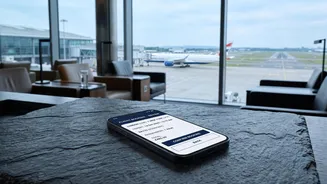
Passengers don't just feel stressed; they have a clear idea of the solution. A remarkable eight in ten travellers believe technology can reduce the friction of air travel. The demand is for a more connected and transparent journey where information flows directly to the passenger. This includes real-time mobile alerts about flight status, gate changes, and even the current location of their checked bags. The report highlights the success of technology-enabled border processing in the United Arab Emirates, where only 13% of passengers reported negative emotions, compared to 37% globally, thanks to wider tech adoption. This demonstrates that implementing seamless digital tools can drastically improve the passenger experience.
A Call for a Connected Journey
Ultimately, the report serves as a call to action for the entire air transport ecosystem—airlines, airports, ground handlers, and border agencies. The key to alleviating passenger stress lies in data sharing and communication. When information is shared effectively, passengers can receive automatic updates that put them in control. SITA's CEO suggests that if a flight is rescheduled, a passenger should immediately know the new departure time, how to get to the new gate, and confirmation that their bag is on track to make it. By using technology to address the core operational uncertainties, the industry can not only win back lost bookings but also create a calmer, more enjoyable travel experience that encourages future demand.