




Upgrade Your Rainwear
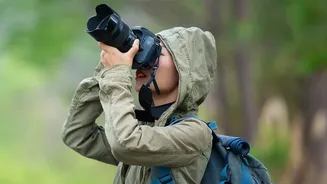
An umbrella is a good start, but it’s often no match for wind-driven rain. A lightweight, packable poncho or a hooded waterproof jacket offers far better protection. Look for gear that is not just water-resistant but fully waterproof. Modern rain jackets
are also breathable, which is crucial in India's humid monsoon weather. This prevents you from feeling sticky and uncomfortable, keeping you dry from both the rain and your own sweat. A good jacket can be stuffed into a small corner of your bag, making it a low-space, high-impact item.
Rethink Your Wardrobe Fabric
Cotton is a traveller's default, but in the rain, it's your worst enemy. It absorbs moisture and can take hours, or even days, to dry in high humidity. A smarter choice is to pack clothes made from quick-drying synthetic fabrics like polyester or nylon. These materials wick moisture away from your skin and dry rapidly, often overnight in a hotel room. For cooler destinations or hill stations, a thin fleece or woollen layer provides warmth even when damp, unlike cotton which loses all its insulating properties.
Protect Your Electronics at All Costs
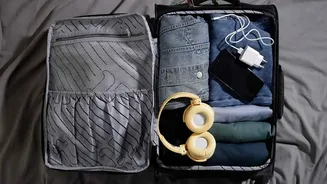
Water and electronics do not mix. Your phone, camera, and power bank are often the first casualties of a sudden downpour. The simplest and most effective solution is a set of dry bags. These are waterproof sacks designed for activities like kayaking, ensuring your valuables stay completely dry even if submerged. For quick access, a waterproof phone pouch is invaluable, allowing you to use your screen through the case. Even simple zip-lock bags can provide a surprising amount of protection for chargers and documents, creating a crucial barrier against moisture.
Choose Footwear Wisely
Soggy shoes can lead to blisters and discomfort, effectively ruining any plans that involve walking. Instead of bulky waterproof boots, consider waterproof trekking sandals with good grip or lightweight trail runners. These are designed to handle wet conditions and dry out quickly. Another clever option is to pack waterproof shoe covers, which can be slipped over your regular sneakers in a sudden shower. Always pack an extra pair of socks, preferably made from a moisture-wicking synthetic blend or wool.
Assemble a Monsoon First-Aid Kit
The rainy season brings its own set of health considerations. Damp conditions can mean more mosquitoes, so a good insect repellent is non-negotiable. It's also wise to carry a basic first-aid kit that includes antiseptic wipes, bandages for slippery-trail scrapes, and anti-fungal powder or cream. Humidity can also lead to faster dehydration, so packing a few sachets of ORS or electrolytes is a smart move to help you stay hydrated and energetic.
The Right Bag Makes a Difference
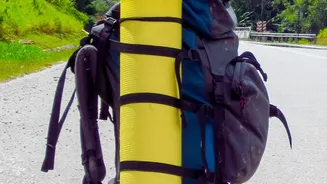
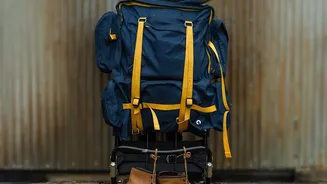
Your backpack itself is your first line of defence. Many modern backpacks are made from water-resistant materials, but for true peace of mind, a dedicated rain cover is essential. These covers are lightweight and fit snugly over your entire bag, protecting it from the elements. Alternatively, investing in a fully waterproof backpack, often featuring a roll-top closure, means you never have to worry about a sudden downpour soaking your belongings. Organising items inside in separate pouches or packing cubes also helps contain any potential leaks.