
The Cosmic Data Deluge
For centuries, astronomy was a practice of patient observation. Today, it’s a science of data management. Modern observatories like the Vera C. Rubin Observatory can generate petabytes of data—equivalent to thousands of high-definition movies—every year.
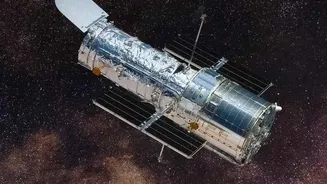
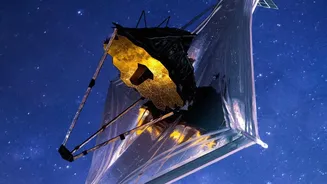
The sheer volume of images and signals from telescopes like the Hubble, Kepler, and the James Webb Space Telescope is staggering. It would take an impossible number of hours for human astronomers to manually inspect every pixel and light curve. This data overload means countless discoveries could be hiding in plain sight, buried within the noise of cosmic background radiation and instrumental glitches. The challenge is no longer just about looking up; it’s about figuring out how to look through the immense archives we've already collected.
Training an Algorithmic Assistant
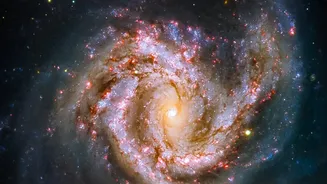
This is where artificial intelligence, specifically machine learning, comes into play. Think of it as a tireless assistant that can be trained to perform specific tasks with superhuman speed and accuracy. Scientists feed these algorithms vast quantities of labeled data—for example, thousands of images already identified as galaxies or light curves known to be exoplanets. Using techniques like neural networks, which are modeled on the human brain, the AI learns to recognize the subtle patterns associated with these objects. It can learn to spot the faint dip in a star's brightness that signifies a passing planet or the specific shape of a spiral galaxy. Once trained, these models can sift through new, unanalyzed data at incredible speeds, flagging potential discoveries for human review.
Hunting for New Worlds
One of the most exciting applications of AI in astronomy is the search for exoplanets—planets orbiting stars outside our solar system. Most exoplanets are found using the transit method, which detects the minuscule dimming of a star as a planet crosses in front of it. These signals are often faint and can be easily mistaken for other phenomena. AI models like NASA's ExoMiner have proven incredibly effective at this task, analyzing data from the Kepler and TESS missions to identify thousands of potential candidates and confirm hundreds of new planets that were previously missed. These algorithms have achieved accuracy rates as high as 96%, automating a process that would otherwise be painstakingly slow.
Finding the Unexpected
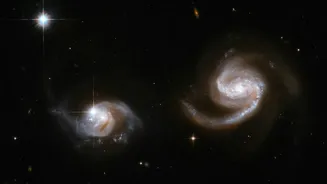
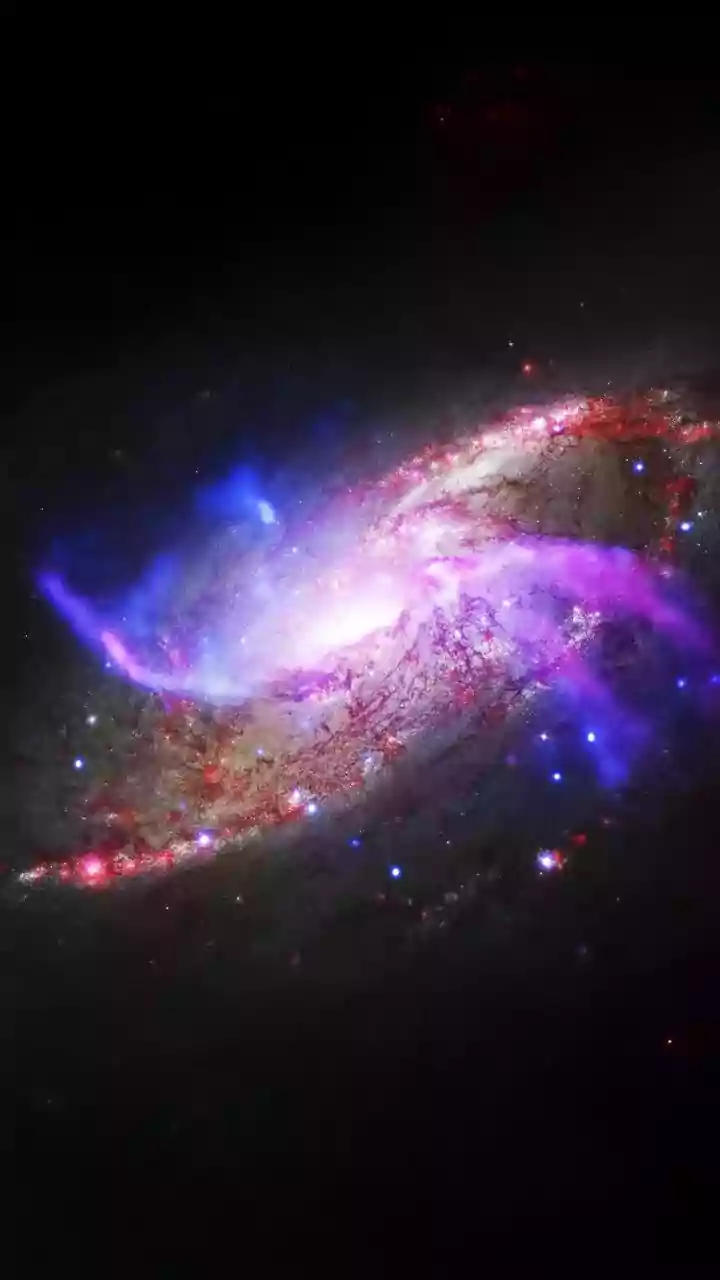
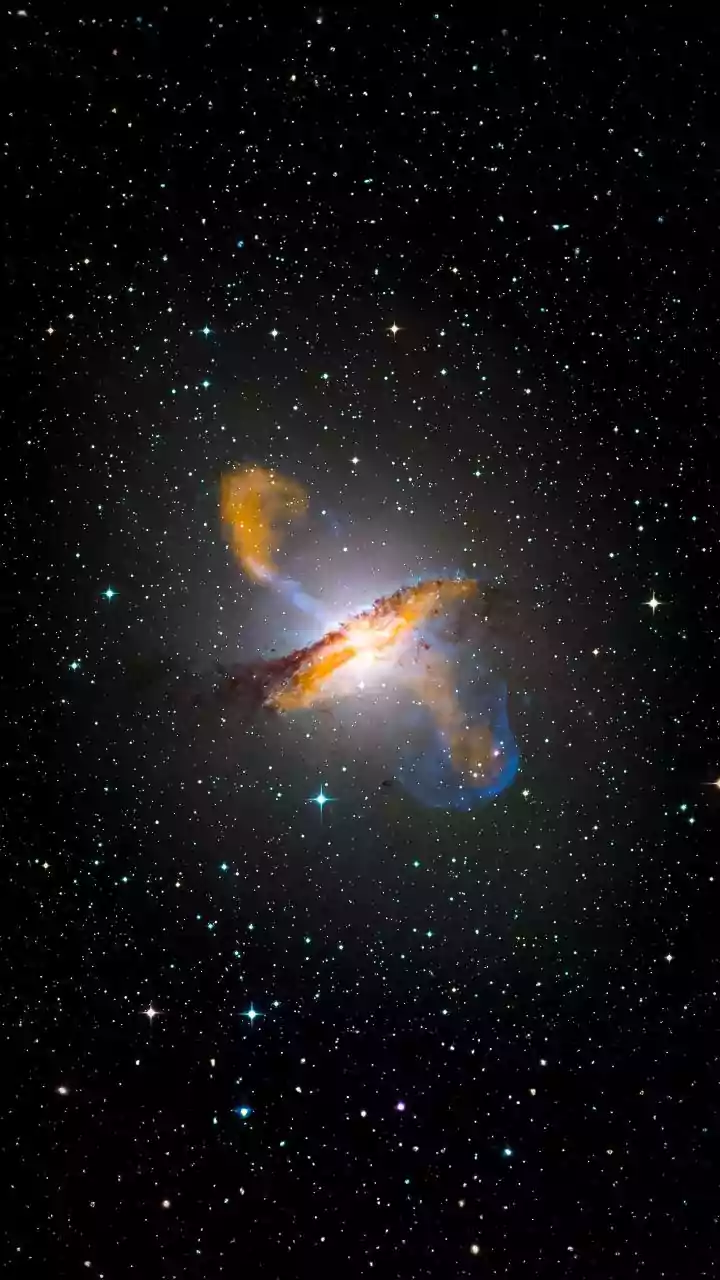
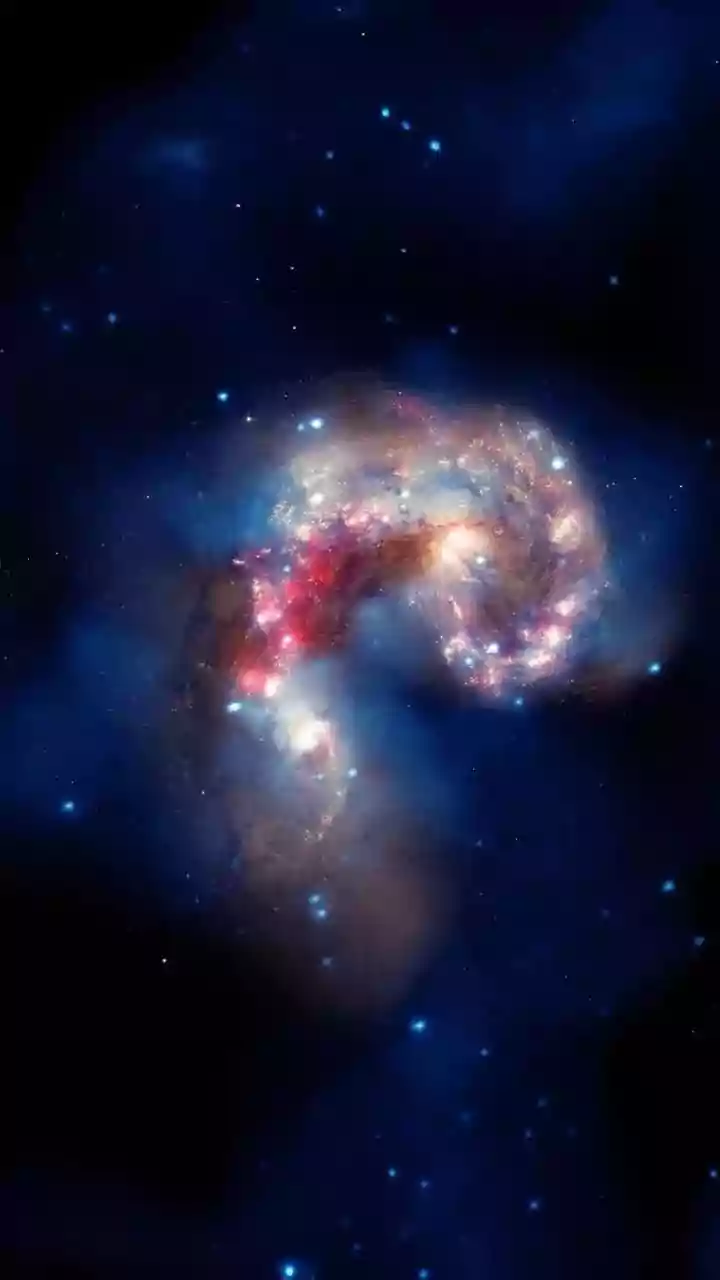
Perhaps the most powerful aspect of AI is its ability to find things we aren't even looking for. While a human might be trained to spot a specific type of galaxy, an AI can be programmed to flag anything that doesn't fit known patterns. These "anomaly detection" algorithms are designed to find the weird and the wonderful. By scanning millions of images from archives like the Hubble Legacy Field, AI has uncovered hundreds of previously undocumented objects, including rare ring galaxies, gravitational lenses, and merging galaxies. In one project, an AI analyzed nearly 100 million image cutouts in just a few days, identifying over 800 objects that were new to scientific literature. These discoveries of 'unknown unknowns' push the boundaries of our cosmic understanding.
A New Era of Discovery
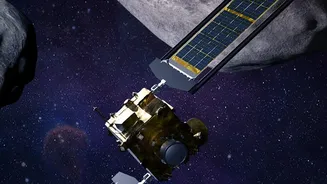
AI isn't just finding planets and galaxies; it's also revolutionizing how we monitor dynamic events. Algorithms can now detect supernovae—the explosive deaths of stars—in real-time, often before a human has even looked at the data. One system, BTSbot, fully automated the process of identifying a supernova candidate, confirming it with a robotic telescope, and sharing the discovery with the scientific community. Other AI tools are being used to identify thousands of previously unknown asteroids from archival data, including some that are near Earth. By connecting faint points of light across different observations, an algorithm named THOR helped identify 27,500 new asteroids in a single year.