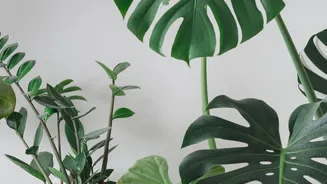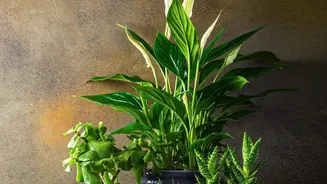




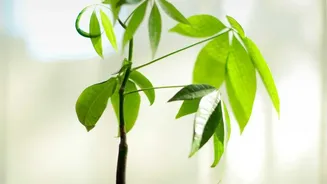


Why Your Desk Needs a Plant
Before we introduce the heroes of our story, let's talk about why a plant is a student's best friend. It’s more than just decoration. Studies have shown that having plants in your workspace can reduce stress and anxiety, improve concentration, and boost
productivity. They act as natural air purifiers, filtering common indoor pollutants and releasing fresh oxygen. In a small study room or dorm, where air can get stale, a plant is a silent, hardworking roommate that helps you breathe and think better. It's a simple, low-cost way to make your study sessions more effective and your space more pleasant.
Meet the Snake Plant: The Survivor
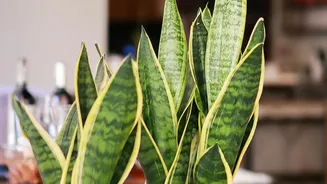
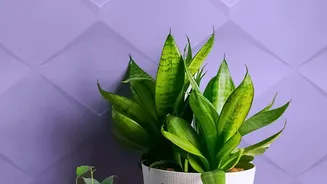
The Snake Plant (Dracaena trifasciata), also known as mother-in-law's tongue, is the definition of tough love. Its stiff, upright, sword-like leaves give it a modern, architectural look that fits perfectly on a crowded desk. Native to West Africa, it's built to withstand neglect. This plant is a champion of air purification, famous for its inclusion in a NASA study for its ability to remove toxins like formaldehyde and benzene from the air. Uniquely, it releases oxygen at night, making it an excellent addition to a bedroom study area.
Snake Plant Care: Almost on Autopilot
Caring for a Snake Plant is incredibly simple, which is perfect for a busy student. Light: It's not fussy. While it prefers bright, indirect light, it will happily tolerate low-light conditions, making it ideal for a desk that isn't right next to a window. Water: This is where most people go wrong—by being too kind. Overwatering is the biggest threat to a Snake Plant. Let the soil dry out completely between waterings. This could mean watering only once every 2-4 weeks, or even less in winter. When in doubt, wait another week. Soil: A well-draining soil mix, like one for cacti or succulents, is best to prevent water from sitting around the roots.
Meet the Pothos: The Easy Charmer
The Pothos (Epipremnum aureum), or Devil's Ivy, is another beginner-friendly champion. With its heart-shaped leaves and trailing vines, it adds a soft, lush feel to your desk. You can let its vines hang down from a shelf or trim them to keep the plant compact. It’s incredibly resilient and will often 'tell' you when it needs water by slightly wilting its leaves. Like the Snake Plant, Pothos is an excellent air purifier, known for filtering toxins such as formaldehyde, benzene, and carbon monoxide from your environment.
Pothos Care: As Easy As It Gets
The Pothos is forgiving and adaptable, making it a stress-free green addition to your study routine. Light: It thrives in bright, indirect light but can easily adapt to lower light levels, though its growth may slow down. Direct, harsh sunlight can scorch its leaves, so keep it away from intense afternoon sun. Water: Similar to the Snake Plant, Pothos dislikes being waterlogged. Water it every 1-2 weeks, or when the top inch or two of soil feels dry. It’s better to underwater than to overwater. A pot with a drainage hole is highly recommended to let excess water escape. Temperature & Humidity: It's happy in typical room temperatures and average humidity, making it perfectly suited for most Indian homes and student accommodations.
Troubleshooting Common Issues
Even these tough plants can have a bad day, usually due to too much attention. If your Snake Plant's leaves are drooping or feel mushy, it's likely a sign of overwatering and potential root rot. The fix is simple: stop watering and let the soil dry out completely. For Pothos, yellowing leaves often also point to overwatering. If the leaves look pale and washed out, the plant might be getting too much direct sunlight. The key takeaway for both is simple: they thrive on a bit of neglect. Forget about them for a while, and they will likely be perfectly happy.