



A Taste of the Land
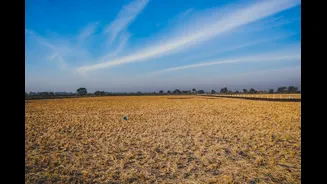
To eat a traditional millet dish in India is to understand a region's climate, soil, and water. For centuries, long before large-scale irrigation changed farming, what grew on the land was what people ate. Millets, a hardy group of small-seeded grasses,
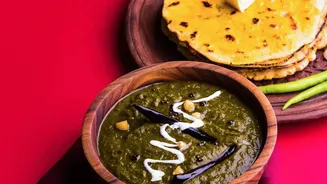
were a lifeline. They thrive in conditions where other crops might fail, making them a perfect mirror of a region's agricultural character. The reason a hearty Bajra roti is a staple in arid Rajasthan, while a nourishing Ragi Mudde is beloved in southern Karnataka, is a story of ecological wisdom. Each dish is a culinary adaptation to the local environment, a tradition shaped by the realities of farming in that specific place.
Bajra: The Pearl of Arid Lands
In the dry, sandy landscapes of Rajasthan and parts of Gujarat and Haryana, pearl millet, or Bajra, is king. This grain is remarkably drought-tolerant and thrives in intense heat, requiring as little as 300-500 mm of rainfall to produce a crop. This resilience is precisely why it became the foundation of the local diet. The famous Bajra Roti, a dense, unleavened flatbread, provides sustained energy, crucial for life in a demanding climate. Paired with garlic chutney or a simple curry, it’s more than a meal; it’s a testament to a farming system built to endure water scarcity. Dishes like Bajre ki Khichdi and Raabdi further showcase the grain's versatility, offering warmth and nutrition through the harsh winters.
Ragi: The Strength of the Deccan Plateau
Travel south to the Deccan Plateau, especially in Karnataka, and you'll find Finger Millet, or Ragi, at the heart of the cuisine. While also drought-resistant, ragi is well-suited to the rain-fed agricultural systems of the region. Known for its incredible nutritional density, particularly its high calcium content, ragi became the food of farmers and labourers needing strength for a long day's work. The most iconic preparation is Ragi Mudde—soft, steamed balls of ragi flour traditionally swallowed, not chewed, with a flavourful sambar or 'saaru'. This dish is a cultural staple, its very existence tied to a crop that provides dependable nourishment even when rainfall is uncertain. Other popular dishes like Ragi Dosa and the cooling summer porridge, Ragi Ambali, demonstrate its widespread use.
Jowar: The Staple of Central India
In the central and western plains, particularly in Maharashtra, Jowar (Sorghum) dominates. Maharashtra is the country's largest producer of jowar, where it is a key crop in the rain-fed regions of Marathwada and Vidarbha. Like other millets, Jowar is known for its ability to grow in hot, dry conditions. The most common way to eat it is in the form of 'Jwarichi Bhakri' or 'Jolada Roti'—a soft, white flatbread that serves as a primary source of carbohydrates. It’s the perfect accompaniment to spicy curries and vegetable dishes. Its importance in the rural economy is immense, providing not just food but also fodder for livestock, making it a cornerstone of the regional agricultural cycle.
Beyond the Big Three
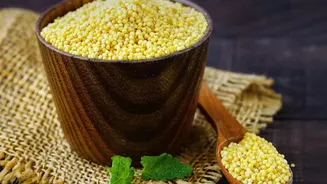
The world of Indian millets extends far beyond Bajra, Ragi, and Jowar. In the Eastern Ghats and parts of Andhra Pradesh, Foxtail Millet (known as Kangni or Korra) is popular. It's often used as a substitute for rice in dishes like pulao and upma. Little Millet (Sama or Kutki) is another versatile grain, light on the stomach and often used during fasting. Kodo Millet is a traditional food for tribal communities in Central India. Each of these 'minor millets' has carved out a niche in a specific agro-climatic zone, cultivated by communities who understood their unique properties and how they fit into the local ecosystem.