
Why Visit in the Monsoon?
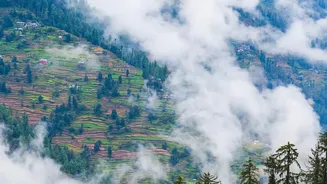
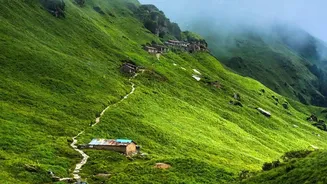
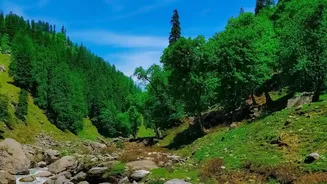
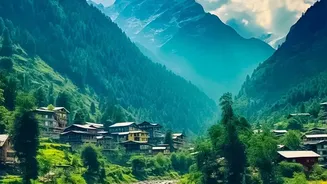
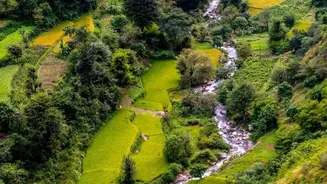
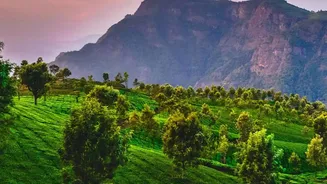
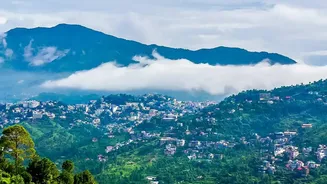
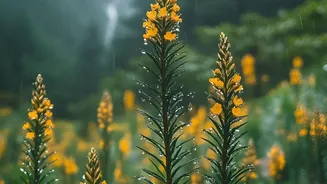
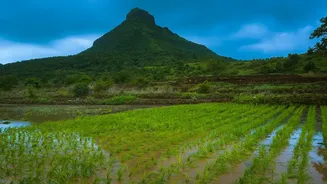
While many travellers avoid the hills during the rainy season, the monsoon transforms Tirthan and Shoja into a paradise of vibrant green. From July to September, the landscape is at its most lush, waterfalls are in full force, and the scent of wet earth
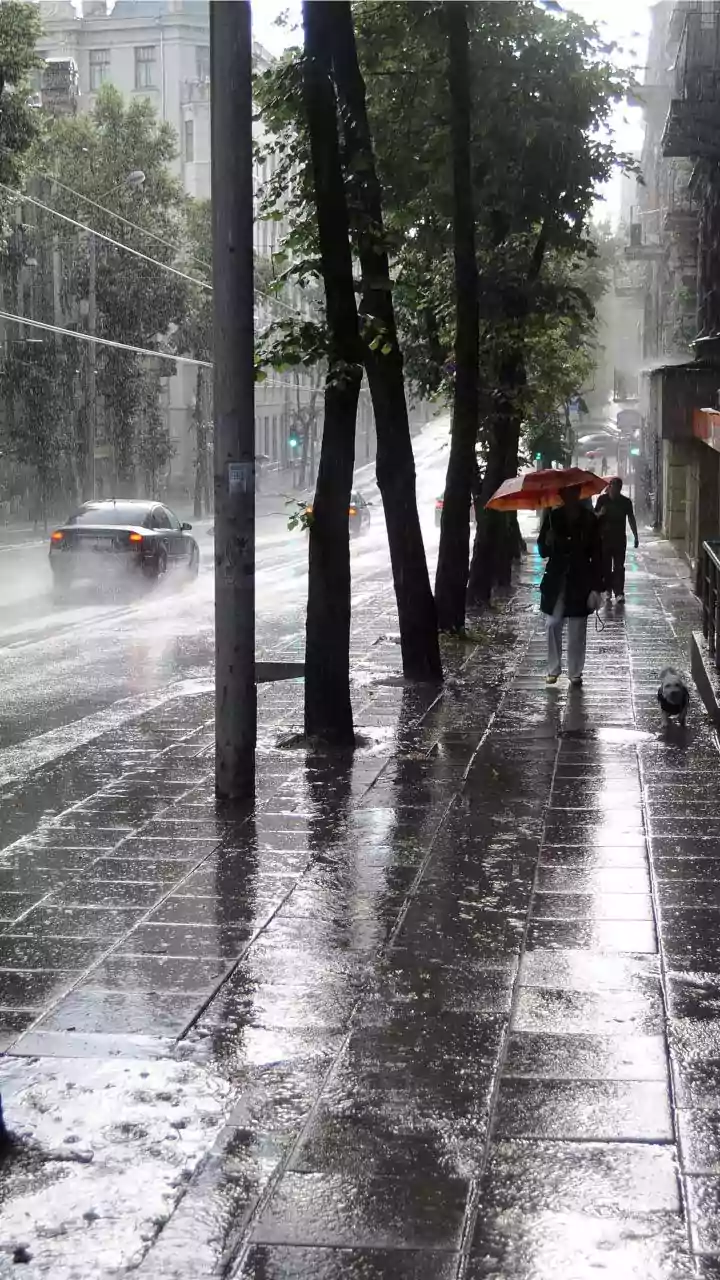
and pine fills the air. The tourist footfall is at its lowest, which means you can experience the valley's authentic rhythm without the usual rush. It's a season for slow travel, for sipping chai by a window watching clouds drift through the valley, and for finding peace in the sound of rain on a wooden roof.
Tirthan Valley: A Riverside Sanctuary
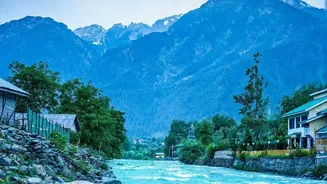
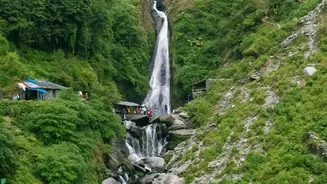
Named after the pristine Tirthan River that flows through it, this valley is a designated UNESCO World Heritage Site as it gateways to the Great Himalayan National Park (GHNP). During the monsoon, the river swells and roars, a powerful presence that defines the valley. While long treks into the core zone of the GHNP are not advisable, the eco-zone offers plenty of magical experiences. You can take gentle walks along the riverbanks in villages like Gushaini and Nagini, or hike to the powerful Chhoie Waterfall, which is particularly impressive during this season. The area is perfect for birdwatching, exploring quaint villages with their traditional Kathkuni architecture, and simply unwinding by the water.
Shoja: A Quiet Hamlet in the Clouds
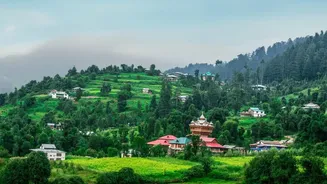
A short, winding drive up from the Tirthan Valley takes you to Shoja, a tiny hamlet that feels even more remote and atmospheric. At a higher altitude, Shoja is often enveloped in mist, creating a surreal, cinematic landscape. This village is the very definition of a quiet retreat, with traditional wooden houses and dense deodar forests. Shoja is the base for reaching Jalori Pass, a high-altitude pass offering breathtaking views when the weather is clear. A popular activity is the trek from Jalori Pass to Serolsar Lake, a serene high-altitude lake surrounded by forest. However, this trek is highly dependent on weather and road conditions, which can be challenging during peak monsoon.
Embracing the Local Experience: Stays and Food
The best way to experience Tirthan and Shoja is by staying in one of the many family-run homestays or cozy guesthouses. These stays offer an intimate glimpse into Himachali life and hospitality. Imagine waking up in a traditional wooden cottage to views of the rain-drenched valley. The monsoon is also a great time to savour local cuisine. Enjoy hot, home-cooked meals featuring dishes like Siddu (a steamed bun), fresh trout from the river, and various local vegetables. Many stays have their own cafes serving comforting food perfect for a rainy day.
A Note on Monsoon Travel and Safety
Travelling to the Himalayas during the monsoon requires preparation and flexibility. The roads, particularly the stretch from Aut to Banjar and the climb to Jalori Pass, are prone to landslides and can be slippery. It is crucial to check road conditions before and during your journey. Avoid travelling at night or during heavy downpours. Pack waterproof jackets and footwear with good grip. Mobile connectivity can be patchy, so inform your hosts of your travel plans. While the risks are real, they can be managed with caution, transforming your trip into a rewarding adventure.