
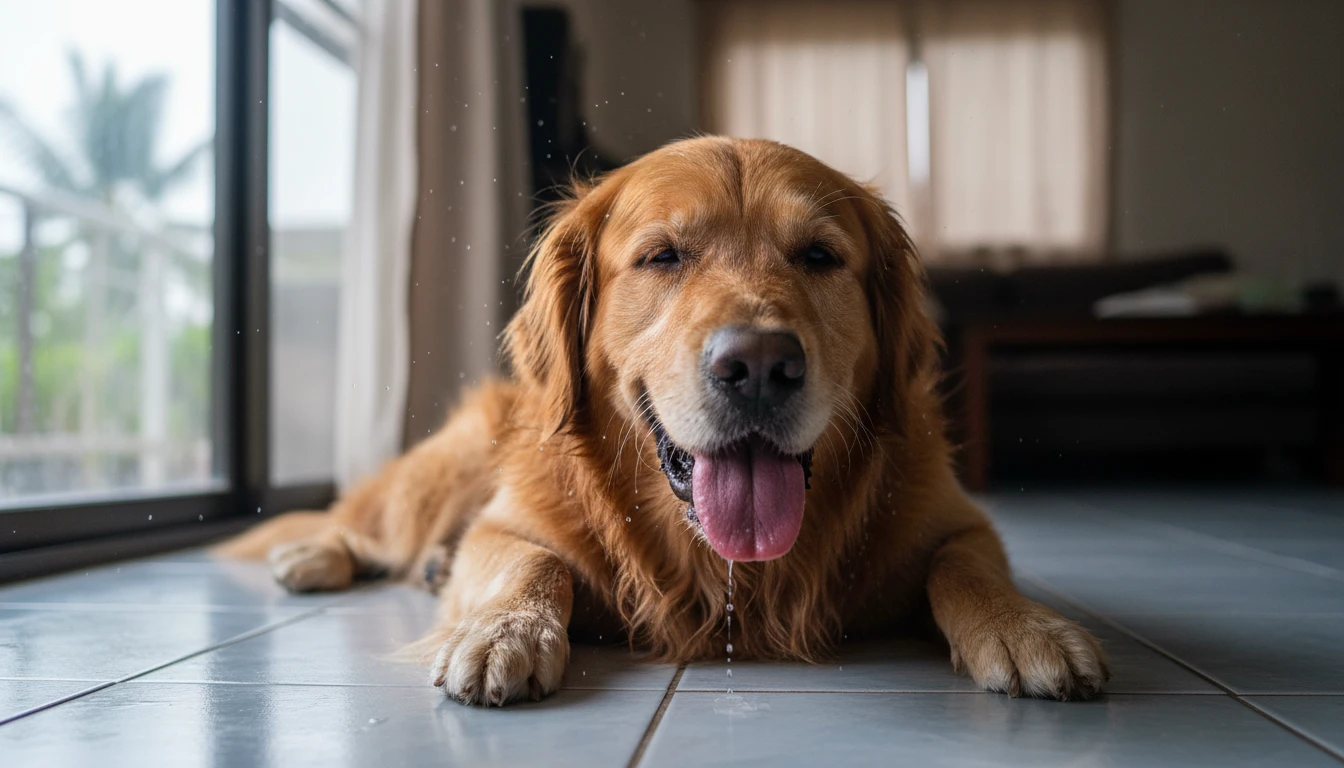


Why Humidity Is the Hidden Danger
We know heat is a problem, but humidity is a critical, often underestimated, factor. Dogs and cats don't sweat like humans to cool down. Dogs rely primarily on panting, which allows moisture to evaporate from their lungs and tongue. However, when the air
is already saturated with moisture—as it is on a humid day—this evaporation process becomes inefficient. The pet can no longer cool down effectively, causing their internal body temperature to rise dangerously, even if the ambient temperature doesn't seem extreme. This makes humid indoor environments a significant risk for heat exhaustion and heatstroke.
Recognising the Signs of Overheating
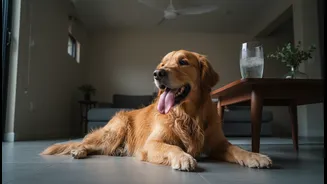
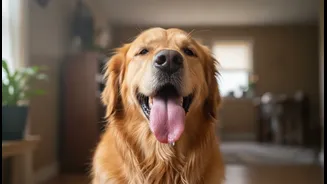
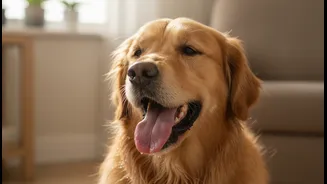
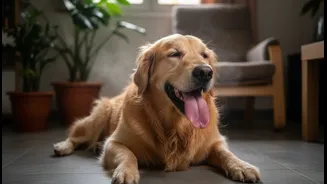
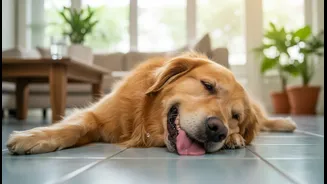
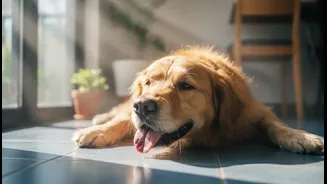
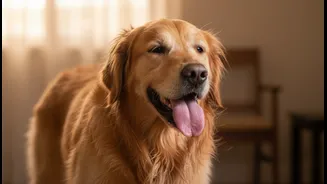
Catching overheating early is crucial. The signs can range from subtle to severe and may be different for dogs and cats. For dogs, look for excessive panting that doesn't resolve with rest, heavy drooling that may be thick or sticky, and bright red gums. Cats may show open-mouth breathing, which is often a sign of distress, along with restlessness and excessive grooming as they try to cool themselves. Common signs in both animals include lethargy or weakness, stumbling or disorientation, vomiting, and seeking out cool surfaces like tile floors. As the condition worsens, their gums may turn pale or blue, and they could collapse.
Cooling Down Your Home and Your Pet
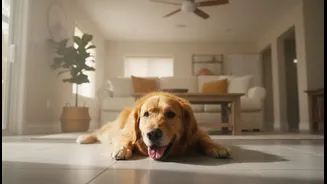
Creating a cool indoor sanctuary is the first line of defence. If you have air conditioning, use it to maintain a comfortable temperature, generally below 27°C. Fans are also effective as they help circulate air and aid in evaporative cooling. Keep curtains and blinds closed during the day to block direct sunlight, especially in rooms that heat up quickly. Provide cool surfaces for your pet to lie on; damp towels placed on the floor can create a simple and effective cooling mat. Cooling mats are also a great commercial option. To cool your pet directly, use cool—not ice-cold—water. Wiping their paws, belly, and neck with a damp cloth can provide immediate relief. Never use ice-cold water, as it can cause blood vessels to constrict and trap heat.
Hydration Is Non-Negotiable
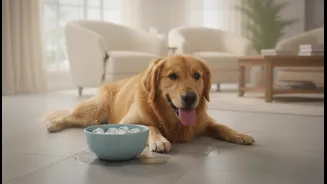
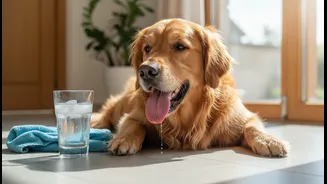
Proper hydration is vital for temperature regulation. Ensure your pet has constant access to multiple bowls of fresh, cool water placed throughout the home. Refresh the water frequently, as pets are more inclined to drink it when it's clean. For reluctant drinkers, especially cats, a pet water fountain can be very appealing due to the moving water. You can also add water or low-sodium chicken broth to their food for extra moisture. Adding a few ice cubes to their water bowl can help keep it cool and may entice them to drink more.
Pets at Higher Risk
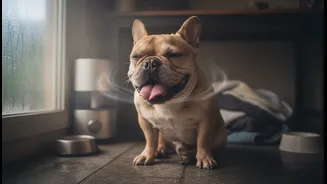
Some pets are more susceptible to overheating than others. Brachycephalic (flat-faced) breeds like Pugs, Bulldogs, and Persian cats are at a particularly high risk because their short muzzles make effective panting difficult. Senior pets, overweight animals, and those with underlying heart or respiratory conditions also struggle more in the heat. Dogs with thick, dark coats are also more vulnerable. It's important to be extra vigilant with these pets, as they can overheat much more quickly and in less extreme conditions.
When It's a Medical Emergency
It’s critical to know the difference between mild heat stress and life-threatening heatstroke. If your pet shows severe symptoms like vomiting or diarrhea, stumbling and confusion, collapse, or seizures, it is a medical emergency. At this stage, immediate veterinary intervention is required. The principle to follow is "cool first, transport second." Begin cooling your pet with cool water while you contact your veterinarian and prepare for transport. Even if your pet seems to recover after cooling measures, an urgent vet check-up is essential, as heatstroke can cause unseen internal organ damage that may only become apparent later.