





The Grind That Can Be a Gamble
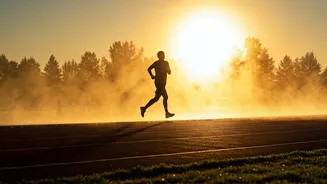
From marathon training groups taking over city streets to the explosion of gyms, fitness is no longer a niche interest but a mainstream cultural movement in India. This is driven by a powerful 'no excuses' mentality, where pushing through discomfort is seen
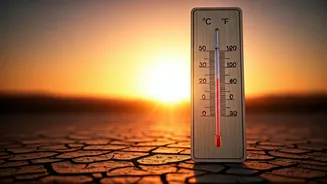
as a badge of honour. While this dedication is commendable, it becomes a serious health risk when pitted against the country's changing climate. Unprecedented heatwaves are no longer a rare occurrence; they are a recurring, dangerous reality. Exercising in extreme heat and humidity places enormous stress on the body's cooling systems, turning a healthy habit into a high-stakes gamble.
Your Body Under Heat Stress
When you exercise in hot weather, your body fights a battle on two fronts: one to produce energy for your workout, and another to cool itself down. Your heart rate increases, and you sweat to release heat. But in high humidity—a common feature of Indian summers—sweat doesn't evaporate easily, making it much harder for your body to cool down. This can lead to a cascade of heat-related illnesses, starting with painful muscle cramps and progressing to heat exhaustion, characterized by nausea, dizziness, and weakness. The most severe stage is heatstroke, a life-threatening emergency where the body's core temperature rises uncontrollably, potentially causing organ damage.
Time for a Climate-Smart Approach
A climate reset doesn't mean giving up on your fitness goals; it means being smarter about achieving them. The first and most crucial adjustment is timing. Avoid exercising outdoors during peak heat hours, generally between 10 AM and 5 PM. Early mornings or late evenings are your safest bets. If your schedule is inflexible, it’s time to embrace indoor workouts. Many are finding ways to stay active at home or in air-conditioned gyms to avoid the risks of outdoor heat. Remember, adapting your routine to the weather isn't a sign of weakness; it's a sign of intelligence and a commitment to long-term health.
Hydration, Clothing, and Listening to Your Body
Hydration is non-negotiable. In a hot Indian summer, the generic advice of two litres a day might not be enough for active individuals. You need to drink water before, during, and after your workout, even if you don't feel thirsty. Adding electrolytes can help replace the salts lost through heavy sweating. Your clothing also plays a key role. Opt for light-coloured, loose-fitting, and breathable fabrics that allow sweat to evaporate. Most importantly, learn to listen to your body's signals. If you feel dizzy, nauseous, or unusually fatigued, stop immediately. Pushing through these warning signs is where danger lies.
Redefining Fitness for a New Era
True fitness is not about punishing your body; it's about building a sustainable, healthy lifestyle. The challenge of a hotter climate invites us to evolve our definition of 'tough'. Tough isn't ignoring a heat warning to stick to a rigid schedule. Tough is being disciplined enough to wake up earlier to run in cooler temperatures. It's being smart enough to swap a high-intensity outdoor session for a controlled indoor one. As India's climate continues to change, our fitness culture must evolve with it. The goal isn't just to be fit for a day, but to be healthy for a lifetime. This reset is about ensuring our pursuit of health doesn't inadvertently put it at risk.