



Understanding Heatstroke in Dogs
High temperatures pose a serious risk to dogs, who can't regulate their body temperature as efficiently as humans. Heatstroke is a life-threatening emergency. Key signs include excessive panting and drooling, bright red gums, lethargy or stumbling, vomiting,
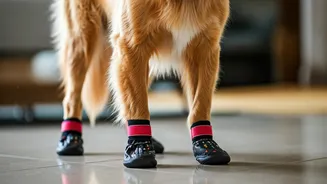
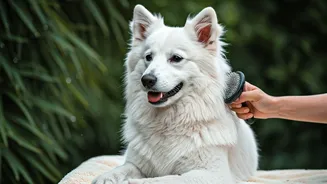
and a rapid heart rate. Breeds with short snouts (like Pugs and Bulldogs), elderly dogs, overweight pets, and those with thick coats are particularly vulnerable. Even a short walk on hot asphalt can burn their paw pads and quickly lead to overheating. Recognizing these dangers is the first step in protecting your companion this summer.
The Cool Appeal of Indoor Pools
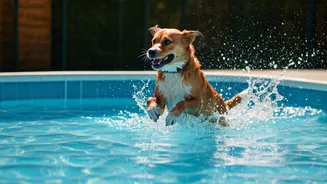
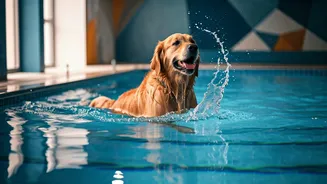
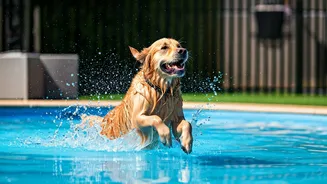
An indoor swimming pool offers a perfect solution, providing a safe and controlled environment for your dog to exercise and cool down simultaneously. Unlike outdoor water bodies that may contain contaminants or have unpredictable currents, a dedicated dog pool is managed for hygiene and safety. Swimming is a low-impact exercise, making it ideal for dogs of all ages, including seniors with arthritis or young pups with boundless energy. It helps improve cardiovascular health, strengthens muscles without straining joints, and provides crucial mental stimulation, preventing the boredom that can come from being cooped up indoors all day.
Finding the Right Facility
As "dog pool packages" gain popularity in Indian cities, it's important to choose a reputable facility. Look for centres that prioritise safety and hygiene. A good facility will have filtered, temperature-controlled water that is treated with pet-safe chemicals, not harsh chlorine. Check if they require proof of vaccination to protect all visiting dogs. The best places have trained staff supervising the pool area at all times, ramps for easy entry and exit, and offer dog-specific life jackets, especially for beginners or breeds that aren't natural swimmers. Some may even offer introductory "splash sessions" to get your dog comfortable with the water.
Preparing Your Dog for a Swim
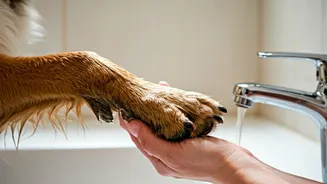
A successful pool trip starts with preparation. If your dog has never been swimming, don't just throw them in. Let them approach the water at their own pace. Use encouraging words and their favourite toys to make it a positive experience. A well-fitting life jacket is a non-negotiable safety tool for first-timers and breeds like Corgis or Dachshunds whose body shape makes swimming difficult. Keep the first session short and sweet—15-20 minutes is plenty. After the swim, rinse your dog thoroughly with clean water to remove any pool chemicals from their fur and skin, and make sure to dry their ears completely to prevent infections.
Pool-Free Cooling Alternatives
If an indoor pool isn't an option, there are plenty of other ways to keep your dog cool. Cooling mats provide a chilled surface for your dog to lie on. You can also freeze some of their favourite treats inside a KONG toy or make "pupsicles" from dog-safe ingredients like yoghurt, banana, and water. A simple damp towel placed on their back or a shallow kiddie pool in a shaded balcony can offer significant relief. Always ensure they have access to plenty of fresh, cool water throughout the day. Restrict walks to early morning or late evening when the pavement and air are cooler.