



What Makes a Protein 'Complete'?
To understand the magic of this pairing, we first need to talk about proteins and their building blocks: amino acids. Our bodies need 20 different amino acids to build everything from muscle tissue to enzymes. While our bodies can produce 11 of these,
nine are called 'essential amino acids' because we must get them from our food. A food source that contains all nine of these essential amino acids in the right proportions is called a 'complete protein'. Animal-based foods like meat, eggs, and dairy are naturally complete proteins. Most plant-based foods, however, are 'incomplete', meaning they are low in one or more of these essential amino acids. But this doesn't make them inferior; it just means we need to be a little smarter about how we combine them.
The Amino Acid Gap in Lentils
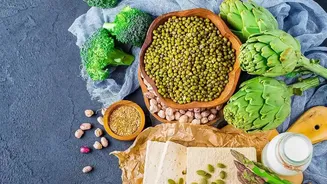
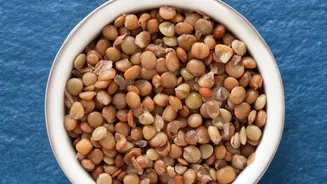
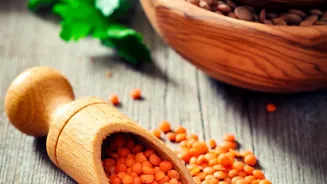
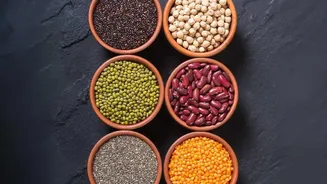
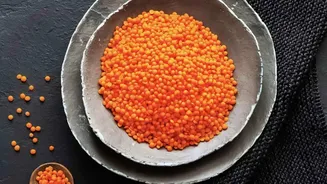
Lentils, or dal, are a fantastic source of plant-based protein, packed with fibre and essential minerals like iron and folate. They contain all nine essential amino acids, but they have a low concentration of two specific ones: methionine and cysteine. Because of this, lentils on their own are not considered a complete protein by a strict scientific definition. They are particularly rich in another essential amino acid called lysine. This is where their perfect partners—grains and seeds—come into the picture.
How Rice and Seeds Fill the Gap
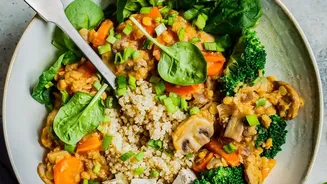
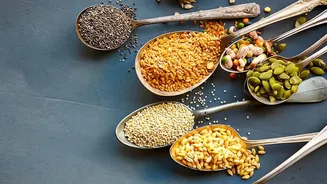
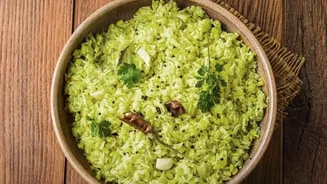
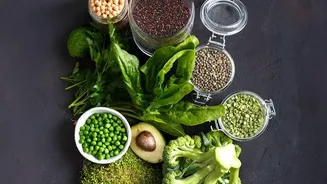
Grains like rice and wheat have the opposite amino acid profile to lentils. They are typically low in lysine but have plenty of the methionine and cysteine that lentils lack. When you eat dal with rice (dal chawal), the amino acids from each food complement each other. The lysine from the lentils makes up for what's missing in the rice, and the methionine from the rice fills the gap left by the lentils. Together, they create a meal with a complete amino acid profile, providing your body with all the building blocks it needs. Similarly, many seeds—like sesame, sunflower, and pumpkin seeds—are also good sources of methionine and can be paired with lentils to achieve the same effect.
Creative Pairings for Modern Meals
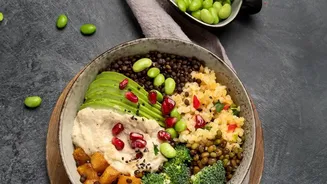
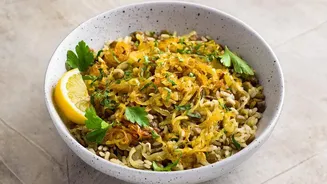
This nutritional strategy, known as protein complementation, goes far beyond the classic dal-chawal. It’s a principle that has been used in cuisines across the world for centuries. You can easily incorporate this into your diet in delicious and varied ways. Think of sambar (made from lentils) with idli or dosa (made from rice and fermented lentils), a hearty lentil soup served with a side of whole-wheat bread, or a vibrant lentil salad sprinkled with a generous handful of pumpkin or sunflower seeds. Khichdi, a one-pot dish of rice and lentils, is another perfect example of a complete protein meal that is both nourishing and easy to digest. Even hummus (made from chickpeas, another legume) served with pita bread (a grain) follows this powerful nutritional logic.
Myth vs. Reality: Do You Need to Eat Them Together?
For a long time, it was believed that you had to eat complementary proteins in the same meal to get the full benefit. However, modern nutritional science has shown that this isn't strictly necessary. Your body maintains a pool of free amino acids, and it can pull from this reserve as needed. As long as you consume a variety of plant-based protein sources—legumes, grains, nuts, and seeds—over the course of the day, your body can combine the amino acids to get what it needs. So, you could have dal for lunch and roti or rice for dinner and still reap the benefits. This makes achieving a balanced plant-based diet much more flexible and less stressful than previously thought.