






Understanding the Hidden Enemy
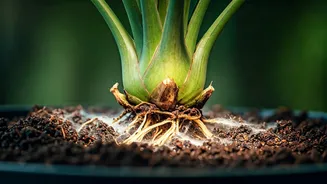
Root rot is exactly what it sounds like: the decay of a plant's roots. It’s primarily caused by a lack of oxygen when soil becomes waterlogged. The constant dampness of the monsoon season is a major trigger, as overly wet soil suffocates the roots. This
oxygen-deprived environment becomes a breeding ground for fungi and bacteria like Pythium and Phytophthora, which attack the weakened roots and accelerate the decay. Left unchecked, the rot spreads from the roots to the rest of the plant, often proving fatal.
Spotting the Danger Signs
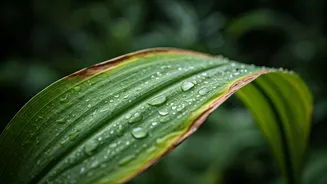
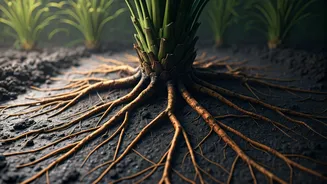
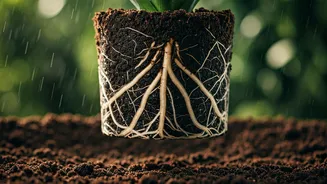
The tricky part about root rot is that the first signs appear above ground, often when the damage below is already significant. Be on the lookout for leaves that are wilting, yellowing, or browning, even when the soil feels moist. Stunted growth is another early warning sign. As the condition worsens, you might notice a foul, musty smell coming from the soil. To confirm your suspicions, you'll need to gently remove the plant from its pot. Healthy roots are typically firm and white or light-coloured. Rotted roots will be brown or black, soft, and mushy to the touch.
Prevention Is Your Best Defence
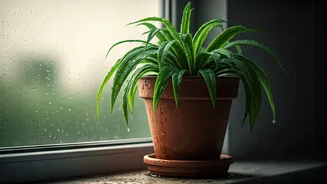
The best way to deal with root rot is to prevent it from ever starting. During the monsoon, this means focusing on drainage and airflow. Start with the right container; terracotta or clay pots are excellent choices as their porous nature helps excess moisture evaporate. Ensure any pot you use has plenty of drainage holes. You can even elevate your pots on bricks or stands to stop them from sitting in puddles. Your soil mix is equally critical. Avoid heavy, dense garden soil. Instead, create a well-draining mix using potting soil, cocopeat, and an aeration material like perlite or sand. Finally, adjust your watering habits. With frequent rain and high humidity, your plants won't need as much water. Always check the top inch or two of soil; if it feels damp, hold off on watering.
An Emergency Rescue Mission
If you discover a plant has root rot, don't despair. If caught early, it can often be saved. First, carefully remove the plant from its pot and gently wash away all the soil from the roots. Using a pair of clean, sterilized scissors, trim away all the soft, black, and mushy roots. Be thorough, as leaving even a small amount of rot can allow the disease to spread. For severe cases, some gardeners recommend disinfecting the remaining healthy roots with a fungicide or a natural alternative like cinnamon powder. After pruning the roots, it's also a good idea to trim back about a third of the plant's leaves. This reduces the stress on the smaller, recovering root system. Finally, repot the plant in a clean pot with fresh, sterile, well-draining soil. Do not reuse the old soil, as it can contain harmful fungal spores. Water lightly and place the plant in an area with good airflow to help it recover.