





The Unmatched Charm of a Monsoon Trip
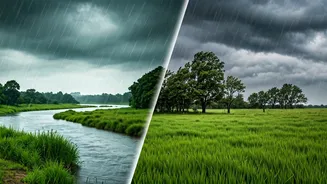
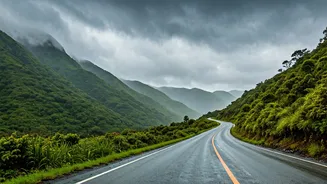
There's a reason why so many travellers brave the downpours. The monsoon transforms India's landscapes into vibrant, mystical wonderlands. Hillsides in the Western Ghats, like those in Coorg, Mahabaleshwar, and Munnar, shed their summer brown for a dazzling
coat of green. Waterfalls that are mere trickles in May become powerful, roaring spectacles. It's also the off-season in many popular tourist spots, which means fewer crowds, more authenticity, and lower prices on flights and hotels. For those seeking solitude and a chance to see nature at its most dramatic and refreshed, a rainy-season getaway offers an experience that sunny skies simply cannot match. Destinations like Kerala, with its overflowing backwaters, and parts of Rajasthan, which see just enough rain to become lush and pleasant, showcase a different, more serene side.
The 'Tricky' Part: Navigating the Challenges
The same rains that create such beauty also bring a unique set of problems. Unpredictable weather can lead to flight delays and cancelled trains, throwing itineraries into chaos. Hilly regions in the Himalayas and even parts of the Western Ghats become prone to landslides, which can cause road blockages and leave travellers stranded. Beyond logistical issues, health is a major concern. The monsoon is a breeding season for mosquitoes, increasing the risk of diseases like dengue and malaria. Water-borne illnesses, including typhoid and gastrointestinal infections, also become more common due to potential contamination of water and food. Streets can get flooded, making movement difficult, and high humidity means clothes take forever to dry, leading to potential fungal infections.
Choosing Your Destination Wisely
Not all destinations are created equal during the monsoon. It's crucial to pick a location where the rain enhances the beauty rather than making it inaccessible or dangerous. While some hill stations like those in Uttarakhand and Himachal Pradesh are best avoided due to landslide risks, others are perfect. Consider places in the Western Ghats such as Lonavala, Munnar, or Wayanad, which are famous for their monsoon splendour. However, always check local advisories before you go. Coastal areas can be tricky; while the greenery is stunning, strong sea currents often make beaches unsafe for swimming, and many beach shacks close down. Surprisingly, parts of Rajasthan like Udaipur and Mount Abu can be excellent choices, as they receive less intense rainfall, turning the arid landscape green and pleasant. For a truly dry escape, Ladakh is an option as it lies in a rain-shadow region and is largely unaffected by the monsoon.
The Essential Monsoon Packing List
Packing smart is key to a comfortable trip. Forget heavy cottons and denim; they take ages to dry in the humid weather. Instead, opt for lightweight, synthetic, quick-dry clothing. Dark-coloured clothes are a practical choice to hide mud splashes. A sturdy, wind-resistant umbrella and a reliable raincoat or poncho are non-negotiable. For footwear, leave the leather shoes and trainers at home. Pack waterproof sandals with a good grip or rubber floaters that can handle wet, slippery streets. To protect your electronics, documents, and spare clothes, use waterproof backpacks or dry bags and ziplock pouches. A microfiber towel is another great addition, as it dries much faster than a standard cotton one.
Staying Healthy and Safe on the Go
A few precautions can keep you healthy throughout your trip. To avoid mosquito-borne illnesses, use a strong insect repellent, especially during the evenings, and wear full-sleeved clothing. Be extremely cautious with food and water. Avoid street food, no matter how tempting, as the risk of contamination is high. Stick to bottled water and ensure the seal is intact, or drink boiled water whenever possible. At restaurants, opt for freshly prepared, hot meals. Always carry a basic first-aid kit with essentials like antiseptic cream, bandages, and medications for common ailments like fever, diarrhoea, and allergies. Finally, keep your travel plans flexible to account for potential delays and always share your itinerary with a friend or family member.