





The Foundation: Cost of Raw Ingredients
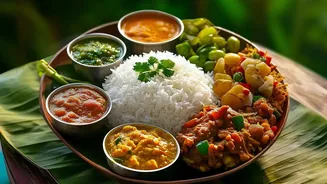
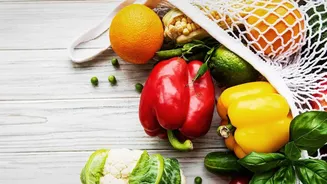
The journey of a thali begins at the farm. The final price is fundamentally tied to the cost of its core components: cereals (rice and wheat), pulses (like tur dal), and vegetables. The prices of these goods are notoriously volatile, influenced by factors
like the performance of the monsoon, seasonal supply and demand, and government policies. For instance, recent reports from October 2026 show a significant year-on-year increase in the prices of several essentials. According to data from the consumer affairs department, onion prices have seen a staggering surge of nearly 113% over the past year. Similarly, the average retail price of tur dal rose to around ₹129 per kg, and rice saw a nearly 12% increase. A poor monsoon can lead to lower crop yields, tightening supply and pushing prices up, a phenomenon seen with delayed kharif crops in 2026.
The Fuel for the Fire: Energy Costs
Once the ingredients are procured, they need to be cooked, and this brings another major expense into the picture: fuel. For both households and restaurants, the price of Liquefied Petroleum Gas (LPG) is a critical operational cost. While domestic LPG cylinder prices have remained stable, the cost of commercial LPG cylinders—the kind used by restaurants—has been on the rise. As of early October 2026, the price of a 19-kg commercial cylinder was increased, adding another layer of cost that restaurateurs have to factor into their menu pricing. This consistent rise in energy costs directly translates to a more expensive thali for the end consumer, as businesses pass on the added operational burden.
The Ripple Effect of Inflation
Beyond the direct costs of food and fuel, the broader economic environment plays a huge role. General inflation affects every part of the supply chain. Higher fuel prices for transport mean it costs more to move grains from the mandi to the mill, and from the mill to the city. These costs are embedded in the price of every single ingredient. In September 2026, India's food inflation rate climbed to 7.74%, a significant driver of overall retail inflation. This figure, tracked by the Consumer Food Price Index (CFPI), reflects the increased pressure on household budgets from rising food costs. An increase in the price of edible oils, for example, has been another persistent factor pushing up the thali's cost.
The 'Invisible' Costs: Labour and Rent
When you pay for a thali at a restaurant, you're not just paying for the food. A significant portion of the cost covers the 'invisible' overheads required to run the establishment. This includes the salaries of the cooks, servers, and cleaning staff, the rent for the commercial space, electricity and water bills, and maintenance costs. These expenses can constitute a substantial part of the final price. A simple cost breakdown shows that after raw materials, labour charges are a primary component before any profit is even calculated. In a competitive market, especially in urban areas where rents are high, these overheads are a fixed burden on the restaurant owner, which must be distributed across every thali sold.
Setting the Final Price
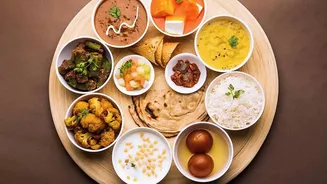
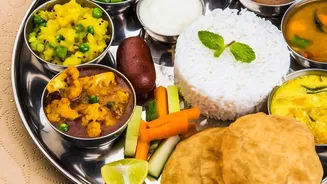
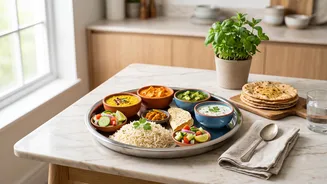
After accounting for ingredients, fuel, overheads, and inflation, the restaurant owner adds a profit margin to arrive at the final menu price. This margin, often around 20-25%, is what keeps the business running. Recent analysis from CRISIL's Roti Rice Rate report indicates how these combined factors have impacted meal costs. In September 2026, the cost of a home-cooked vegetarian thali rose by 10% year-on-year to an average of ₹30.8. This increase, driven largely by sharp rises in onion, rice, and edible oil prices, illustrates how fluctuations in commodity markets directly impact the affordability of a daily meal. For a restaurant thali, this base cost is even higher due to the additional overheads and taxes like GST.