








What Exactly Is Changing?
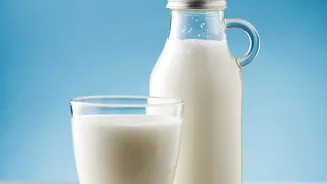
Starting from November 16, 2026, the price of both cow and buffalo milk will increase by Rs 4 per litre across Maharashtra. The decision was taken by the Maharashtra Milk Producers and Business Welfare Association at a meeting in Pune, attended by representatives
from 45 cooperative and private dairy brands. This hike applies to the retail price paid by consumers. In addition to liquid milk, the association also proposed a 10% increase in the prices of other dairy products like paneer, butter, and curd. This move follows a series of price revisions throughout the year, including a Rs 2 per litre increase in August and hikes by national players like Amul and Mother Dairy earlier in November.
The Core Reason: A Perfect Storm of Costs
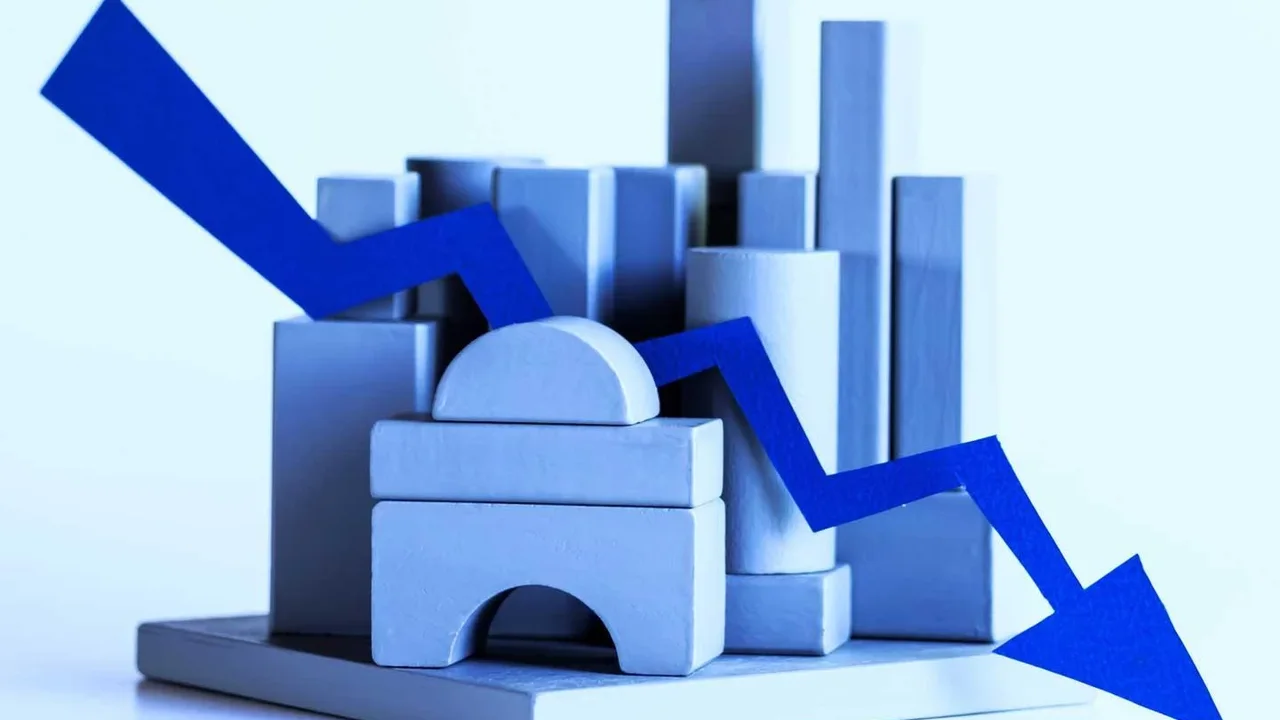
The primary driver behind the consistent price hikes is a sharp rise in the cost of producing milk. Dairy farmers and processors are facing a multi-pronged financial squeeze. The biggest factor is the cost of cattle feed and fodder. Uneven monsoons and deficient rainfall in key regions have led to a shortage of both green and dry fodder, with prices for these essential inputs reportedly rising by up to 20%. Compounding this, the cost of concentrated cattle feed ingredients—like maize and oil cakes—has also jumped significantly. Since feed can account for up to 70% of the total cost of managing livestock, any increase has an immediate and substantial impact on farmers' expenses.
Beyond the Farm: The Ripple Effect
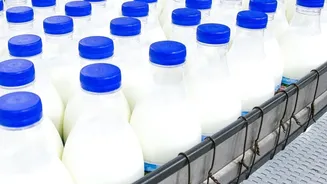
While farmer costs are the foundation, the price you pay at the shop also includes a host of other escalating expenses. Dairies have pointed to a significant rise in operational costs across the board. Transportation has become more expensive due to higher diesel prices. The cost of packaging materials, processing, and manpower has also seen inflationary pressure, with some companies reporting these operational costs have increased by as much as 25%. Essentially, every step in the journey from the dairy farm to your refrigerator has become more expensive, and companies are now passing a portion of this accumulated burden onto the consumer.
Is This Just a Maharashtra Problem?
No, this is a national trend. Just before the Maharashtra announcement, major national brands Amul and Mother Dairy had already increased their milk prices by Rs 2 to Rs 4 per litre, effective November 12. They cited the very same reasons: higher procurement costs from farmers and rising operational expenses. From Karnataka, where the Nandini brand raised prices to support farmer earnings, to the markets of Delhi-NCR, dairies across India are grappling with the same economic pressures. This indicates that the underlying issues of fodder shortage and input cost inflation are affecting the entire Indian dairy sector, not just one state.
What This Means for Your Household
The Rs 4 per litre increase will be felt in the monthly budget of nearly every household. For a family that consumes one litre of milk per day, this hike translates to an extra Rs 120 per month. If a family uses two litres, the added expense is Rs 240. While milk inflation itself might not be the single biggest driver of overall food inflation, its impact is widespread because it is a daily essential. The associated 10% hike in dairy products means that the cost of paneer, ghee, and yoghurt will also climb, putting further pressure on household food spending just after the festive season.