
A Triumph With a Hidden Risk
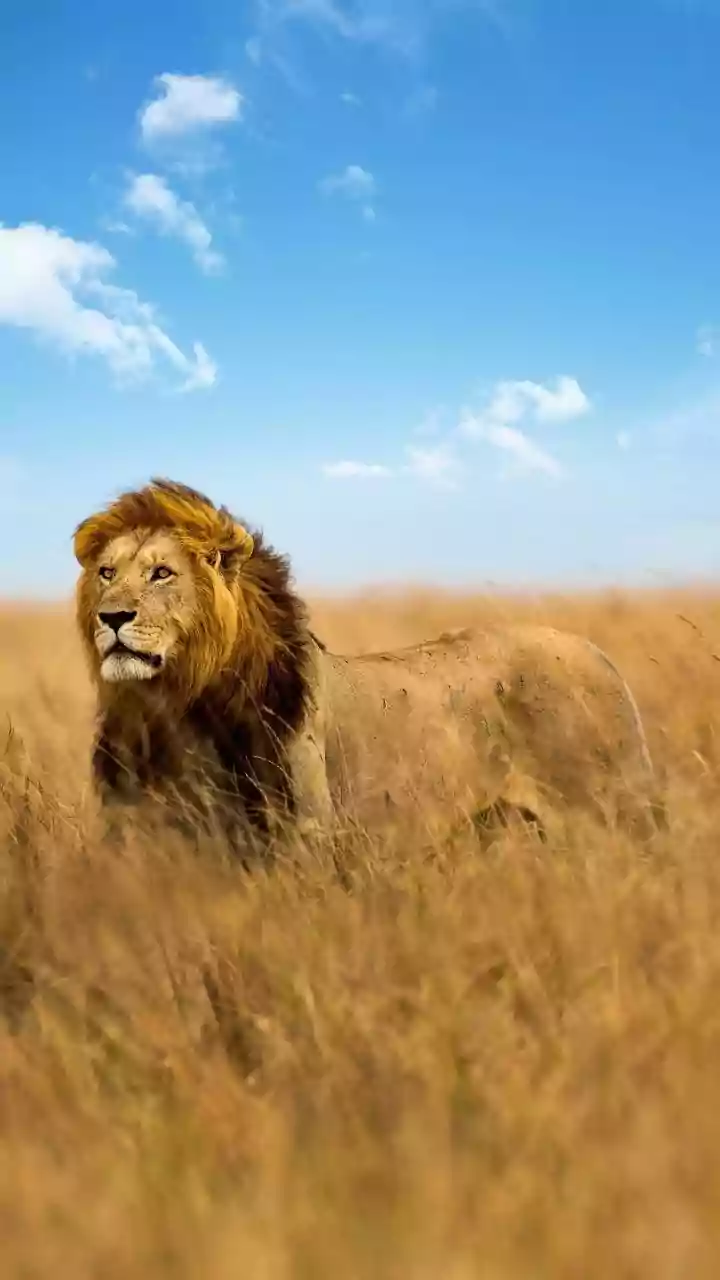
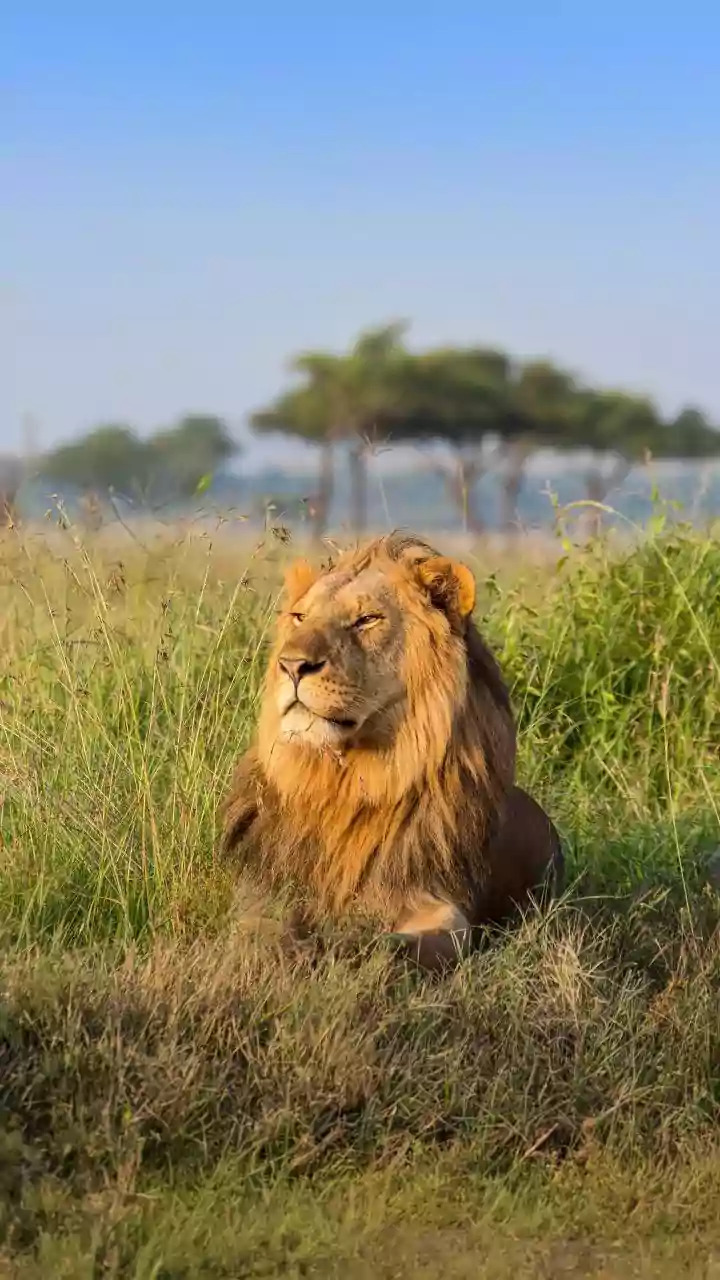
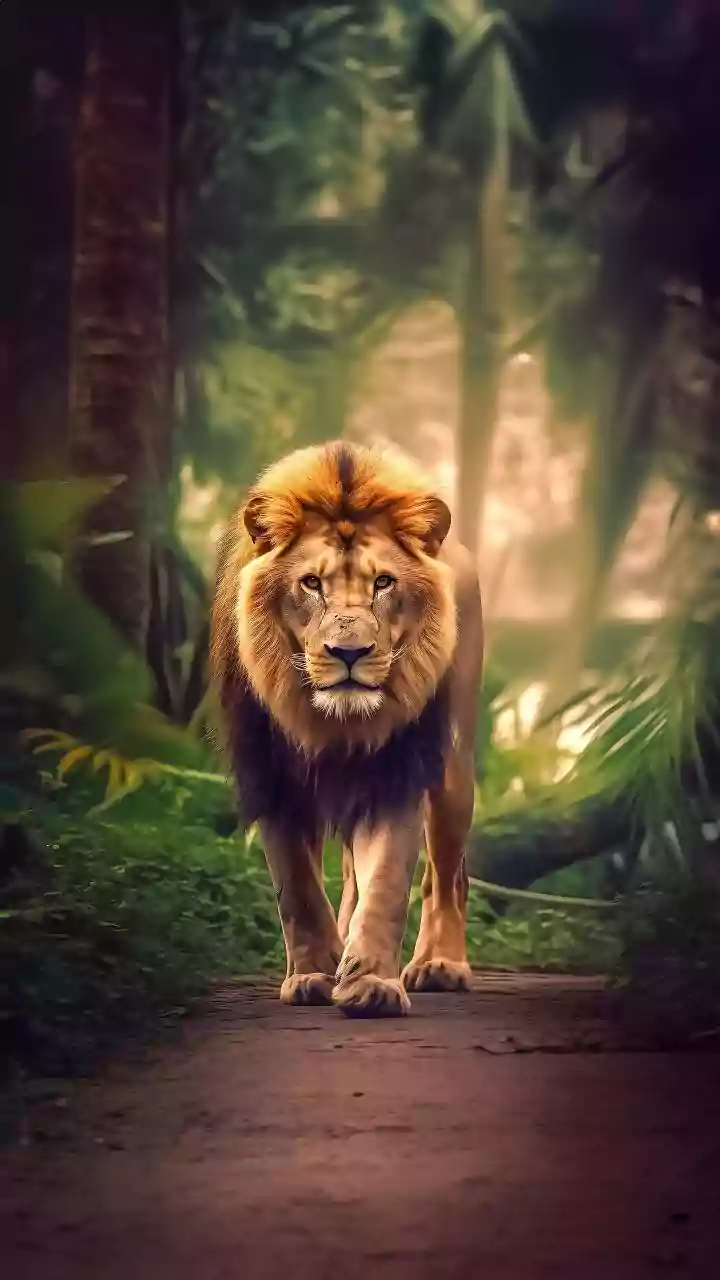
For decades, the Gir Forest has been the sole sanctuary for the world's last wild population of Asiatic lions. Thanks to dedicated conservation efforts, their numbers have rebounded from a perilous low of just a few dozen in the early 20th century to over
674 by 2020. This comeback is a source of immense national pride. However, this success story carries a significant risk. Concentrating an entire species in one location, no matter how well-protected, makes it dangerously vulnerable. A single catastrophic event—like an epidemic or a natural disaster—could have devastating consequences. The 2018 outbreak of Canine Distemper Virus, which killed numerous lions in Gir, was a stark warning of this very real threat.
The Case for a Second Home
Wildlife experts have long advocated for establishing a second, geographically separate population to act as an insurance policy for the species. This 'Plan B' is a core principle of modern conservation for any species with a limited range. The idea is simple: by creating another thriving population, the risk of a single event wiping out the entire species is drastically reduced. After years of debate and research, including a Supreme Court directive to translocate lions to Kuno National Park in Madhya Pradesh, a new chapter is unfolding within Gujarat itself. The Barda Wildlife Sanctuary has emerged as a promising second home.
Enter Barda: A Home After 144 Years
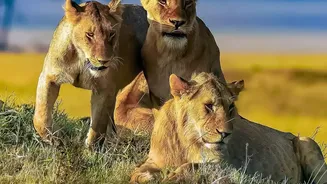
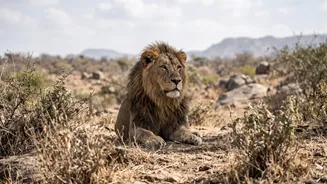
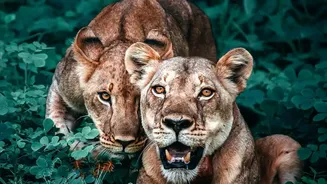
Located about 100 kilometres from Gir, the Barda Wildlife Sanctuary is re-emerging as a lion habitat after an absence of nearly 144 years. The last recorded lion in Barda was in 1879. The sanctuary, spread across 192.31 square kilometres, features rugged terrain, forests, and grasslands similar to Gir. The recolonisation began naturally in January 2023, when a lone male lion dispersed from Gir and walked into Barda on its own. Following this pioneering move, the Gujarat Forest Department translocated five females to establish a breeding population. As of 2025, Barda was already home to a small but growing pride of 17 lions, including 11 cubs.
Building a Viable Ecosystem
Simply moving lions is not enough; their new home must be able to sustain them. A significant part of the conservation work at Barda involves ecosystem restoration. This includes habitat improvements like developing grasslands and, crucially, ensuring a sufficient prey base. To that end, hundreds of spotted deer (chital) and sambar have been relocated from Gir and released into Barda to build a healthy population of herbivores for the lions to hunt. Studies have shown that the current Barda lions have a diet primarily of wild prey, a positive sign for their long-term adaptation. This initiative is part of the broader 'Project Lion', a government program focused on the holistic conservation of the species.
More Than Just Lions
The establishment of an apex predator like the lion in Barda has benefits that extend throughout the ecosystem. As a 'keystone species', lions play a crucial role in maintaining ecological balance by controlling herbivore populations, which in turn affects vegetation and the health of the forest. The conservation work at Barda also involves local communities, creating employment through eco-tourism and conservation activities. The sanctuary itself is a biodiversity hotspot, home to hundreds of plant and animal species. Protecting and restoring this landscape for lions simultaneously safeguards this wider web of life, proving that conservation efforts for a flagship species can uplift an entire environment.