




Turmeric: The Golden Healer
A staple in every Indian kitchen, turmeric (haldi) becomes even more essential during the monsoon. Its active compound, curcumin, is a potent anti-inflammatory and antioxidant. During the rainy season, when the immune system can be weaker, turmeric helps
bolster your body's defenses against common infections like colds and flu. It also aids digestion, which tends to be sluggish in the humid weather. For maximum benefit, consume it with a pinch of black pepper, which significantly increases curcumin absorption. A daily glass of warm turmeric milk (haldi doodh) or adding a generous amount to your dals and curries can help keep seasonal ailments at bay.
Ginger: The Digestive Aid
Like turmeric, ginger (adrak) is a versatile root celebrated in Ayurveda for its medicinal properties. It is particularly beneficial during the monsoon for its ability to fire up a sluggish digestive system and combat bloating and indigestion. Its anti-inflammatory and antibacterial properties make it a first line of defense against sore throats and respiratory issues that are common during this season. Starting your day with a warm cup of ginger tea, perhaps with a squeeze of lemon and a drop of honey, not only soothes the throat but also helps flush out toxins. It's an easy and effective way to keep your gut happy and your immunity strong.
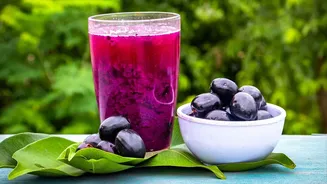
Jamun: The Seasonal Gem
The deep purple Jamun, or black plum, is a true monsoon specialty. This fruit is packed with essential nutrients, including high levels of Vitamin C and iron, which are crucial for a robust immune system and maintaining energy levels. Jamun is also rich in antioxidants that help fight inflammation and protect the body from oxidative stress. Traditionally valued for its role in managing blood sugar levels, it also aids in digestion and can help with issues like diarrhea. Enjoy a handful of fresh jamun as a snack to reap its seasonal benefits.
Garlic: The Immunity Booster
Don't underestimate the power of garlic (lehsun) in your monsoon diet. It is renowned for its strong antiviral and antibacterial properties, primarily due to a compound called allicin. Regular consumption of garlic can help protect against common infections that thrive in the damp monsoon weather. Incorporating it into your daily cooking, such as in soups, dals, and vegetable preparations, is an excellent way to boost your family's immunity. For those who can handle its pungency, consuming a crushed clove of raw garlic can be particularly effective, though it’s just as beneficial when cooked.
Moong Dal: The Light Protein
During the monsoon, Ayurvedic principles suggest opting for foods that are light and easy to digest. Moong dal fits this description perfectly. It is one of the most easily digestible legumes, providing an excellent source of protein without burdening the digestive system. A warm bowl of khichdi, made from rice and moong dal, is considered the quintessential comfort food for the rainy season. It's nourishing, balanced, and gentle on the gut. Seasoning it with digestive spices like cumin, ginger, and turmeric further enhances its benefits.
Bitter Gourd: The Protective Vegetable
While its taste may be an acquired one, bitter gourd (karela) is a vegetable worth embracing, especially during the monsoon. Ayurveda recommends it for its ability to pacify aggravated doshas during this season. It is packed with vitamins and antioxidants that help strengthen the immune system. Its antibacterial and antiviral properties offer an added layer of protection against seasonal sicknesses. Including bitter gourd in your diet can also help maintain healthy blood sugar levels and purify the blood. Lightly sautéed karela sabzi is a great way to incorporate this powerful vegetable.