



Understanding the Meghalayan Challenge
Known as the 'abode of clouds', Meghalaya receives some of the highest rainfall on Earth. This translates into rivers that can transform dramatically overnight. What might be a manageable Class IV rapid one day can become a raging, continuous torrent
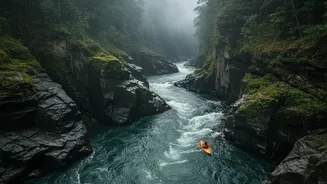
the next. The rivers here, like the famous Kynshi and Umngot, are characterized by a 'pool-drop' nature, meaning intense rapids often end in calmer pools. However, during high flow, these pools shrink and the river becomes far more continuous and pushy. The region's topography creates deep gorges and bedrock riverbeds, which can form dangerous features like siphons (where water flows under rocks) and powerful hydraulics. Compounding these risks is the remoteness of many runs. Self-rescue is not a convenience; it's a necessity. This environment demands respect and a meticulous approach to safety.
Core Personal Protective Equipment (PPE)
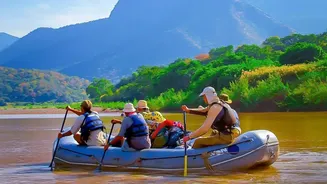
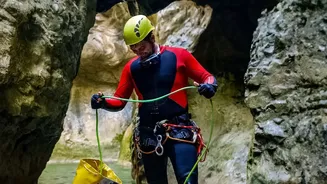
This is the non-negotiable gear that stays on your body. Never compromise on quality here. First, a whitewater-specific helmet is crucial for protecting against impact with rocks. Ensure it fits snugly and is designed for the demands of the sport. Second is a correctly-sized Personal Flotation Device (PFD), often called a life jacket or buoyancy aid. It must be a high-buoyancy model designed for whitewater, allowing for freedom of movement while providing enough flotation in aerated water. Many experienced paddlers opt for a 'rescue PFD' which includes a quick-release harness for specific rescue situations. Finally, appropriate footwear is essential. Closed-toe, sturdy river shoes or booties protect your feet from sharp rocks and provide grip on slippery surfaces. Floating with your feet pointed downstream is a key self-rescue technique, and proper footwear makes it safer to fend off obstacles.
The Right Kayak and Paddle
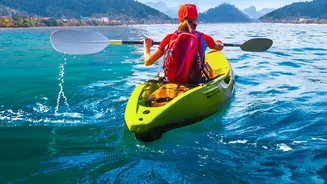
Your choice of boat and paddle are fundamental. For Meghalaya's powerful rivers, a modern creek boat is the standard choice. These kayaks have high volume, rounded ends, and significant rocker (the upward curve of the hull) to help them resurface quickly and ride over waves and holes. They are designed for stability and forgiveness in difficult water. Avoid playboats or long, low-volume river runners that may be overwhelmed by the flow. Your paddle should be strong and durable. A fibreglass or carbon-fibre blade offers a good balance of strength and light weight, reducing fatigue on long days. Ensure your paddle is the correct length for your height and boat width, and consider carrying a breakdown paddle (a spare that splits into two or four pieces) as a crucial backup in case your primary paddle is lost or broken.
Essential Rescue and Safety Gear
This is the equipment that helps you and your team manage when things go wrong. Every kayaker should carry a throw rope. This is a bag containing a floating rope used to rescue a swimmer from the bank. Practice using it before you need it. A river knife, worn in an accessible spot on your PFD, is for cutting rope or webbing in an emergency. Each kayaker should also have at least two locking carabiners and a length of webbing or a sling for setting up anchors or retrieval systems. A small, waterproof first-aid kit with supplies for wound management and pain relief is a must. Finally, a whistle attached to your PFD is a simple but effective tool for getting attention over the roar of a rapid.
Clothing and Communication
Even though the water in Meghalaya is relatively warm, hypothermia is still a risk, especially with wind and prolonged immersion. Avoid cotton, which loses its insulating properties when wet. Instead, opt for synthetic layers or a dry top, which will keep you warmer. In terms of communication, while mobile service is non-existent in many canyons, a personal locator beacon (PLB) or satellite messenger is a wise investment for any group venturing into remote areas. It allows you to send an SOS signal with your location in a true emergency. Before you even get to the river, always leave a detailed plan of your route and expected return time with a reliable person on land.