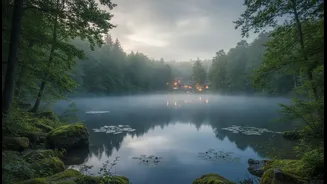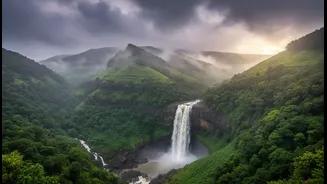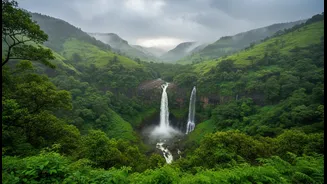





The End of the Off-Season
For years, Indian travellers largely planned their main holidays around the summer and winter months. The monsoon, with its heavy rains and potential for disruption, was seen as a time to stay home. That's changing fast. A combination of factors, including
the rise of flexible work arrangements, a desire to avoid peak-season crowds, and a growing appreciation for the lush, rain-washed landscapes, is driving a significant travel boom between June and September. Travel platforms are reporting a massive year-on-year growth in bookings for monsoon travel, with some destinations seeing a tenfold increase in hotel occupancy. This isn't just a handful of people venturing out; it’s a structural shift in travel patterns, with many now opting for multiple short breaks throughout the year instead of one or two big trips. This new demand transforms the market, affecting everything from cost to availability.
Navigating the New Price Reality
With the monsoon now a travel driver in its own right, the old assumption of deep off-season discounts no longer holds true. While prices may not hit the extreme peaks of December or May, the surge in demand means you can no longer expect rock-bottom fares and rates. Hotels in popular monsoon destinations like Munnar, Mussoorie, Coorg, and Lonavala are seeing booking growth of up to seven to ten times compared to previous years. This demand naturally pushes up prices. To get the best value, travellers need to be more strategic. Booking mid-week instead of on weekends can yield better rates. Using price comparison tools and looking for bundled deals that include accommodation and activities can also lead to significant savings. Many hotel chains and travel companies are now offering specific monsoon packages to attract travellers, which can be more cost-effective than booking everything separately.
The Golden Rule: Embrace Flexibility
Monsoon travel is inherently unpredictable. Heavy rains can lead to landslides, flight delays, and flooded roads, especially in hill stations and coastal areas. This makes booking with flexible policies an absolute necessity. A flexible flight ticket, for instance, allows you to change your travel dates without incurring hefty penalties, though you may still have to pay the fare difference. Similarly, when booking hotels, carefully read the cancellation and rescheduling policies. Many hotels now offer 'flexi' rates that allow for last-minute changes. Given that a growing number of travellers are making spontaneous trips—with nearly half of bookings for some mountain destinations being made within three days of travel—this flexibility is crucial. It provides peace of mind, ensuring that an unexpected downpour doesn't ruin your entire holiday investment.
Swap Crowded Hotspots for Quieter Havens
While traditional spots like Goa, Manali, and Munnar are seeing a surge, this is the perfect opportunity to explore offbeat destinations that truly come alive in the rain. Instead of the usual crowded circuits, consider places that offer unique monsoon experiences. In the Northeast, destinations like Nagaland and Arunachal Pradesh are seeing a significant rise in interest. In Madhya Pradesh, the historic town of Orchha, with its riverside cenotaphs surrounded by lush greenery, is a magical sight. For those in the west, Bhandardara in Maharashtra offers misty hills and gushing waterfalls without the crowds of Lonavala. In the south, consider Valparai in Tamil Nadu for its quiet tea estates or Agumbe in Karnataka, the “Cherrapunji of the South,” for its dense rainforests. These quieter alternatives not only offer a more serene experience but can also be lighter on the wallet.
Experience-Led Is the New Itinerary
The new monsoon traveller isn't just looking for a change of scenery; they are seeking specific experiences. This shift is redefining itineraries. Instead of just sightseeing, people are planning trips around wellness, spirituality, and cultural immersion. Destinations like Rishikesh have seen a massive jump in popularity, with travellers drawn to its blend of spirituality and adventure. The rainy season is also considered the best time for Ayurvedic treatments in Kerala, as the moist, cool air is thought to make the body more receptive to therapies. Others are focusing on nature-based activities, like trekking to see the valley of flowers bloom in places like Kaas Plateau in Maharashtra or the Dzükou Valley in Nagaland. Planning your trip around an interest—be it tea plantation tours, wildlife safaris in parks that remain open, or heritage walks—can lead to a more fulfilling and memorable monsoon journey.