



1. Inspect Your Tyres
Your tyres are the only part of your car in contact with the slick, wet road. Their condition is non-negotiable for safety. Before you drive, visually inspect all four tyres for adequate tread depth. In India, the legal minimum tread is 1.6mm, but for monsoon
safety, experts recommend at least 3mm to effectively channel water away and prevent aquaplaning. A simple way to check is with a one-rupee coin; if the coin's edge is fully visible when inserted into the groove, your tyres are likely too worn for safe monsoon driving. Also, ensure your tyres are inflated to the manufacturer's recommended pressure, as both under-inflation and over-inflation can reduce grip on wet surfaces. Don't forget to check the spare tyre as well.
2. Test Your Brakes
Wet roads significantly increase your car's stopping distance, sometimes by two to three times. Your braking system needs to be in top form to handle these conditions. Before you merge into traffic, and while moving at a very slow speed in a safe area, gently tap your brakes to feel for their responsiveness. They should feel firm and consistent, not spongy or soft. Listen for any unusual sounds like squealing or grinding, which can indicate worn brake pads that need immediate attention. If you've just driven through a waterlogged area, applying the brakes gently for a few moments can help dry the components and restore their effectiveness.
3. Check Your Wipers and Washer
Visibility is one of the biggest challenges during a downpour. Your wiper blades are your first line of defence. Check the rubber for any signs of cracking or hardening from sun exposure. When you run them, they should clear the windscreen smoothly without leaving streaks or skipping across the glass. If they do, it's time for a replacement, which is an inexpensive but critical fix. Equally important is the windshield washer. Top up the reservoir with a proper washer fluid, not just plain water. This fluid helps cut through the oily grime and mud that road spray kicks onto your windshield, ensuring a clear view ahead.
4. Verify All Lights Are Working
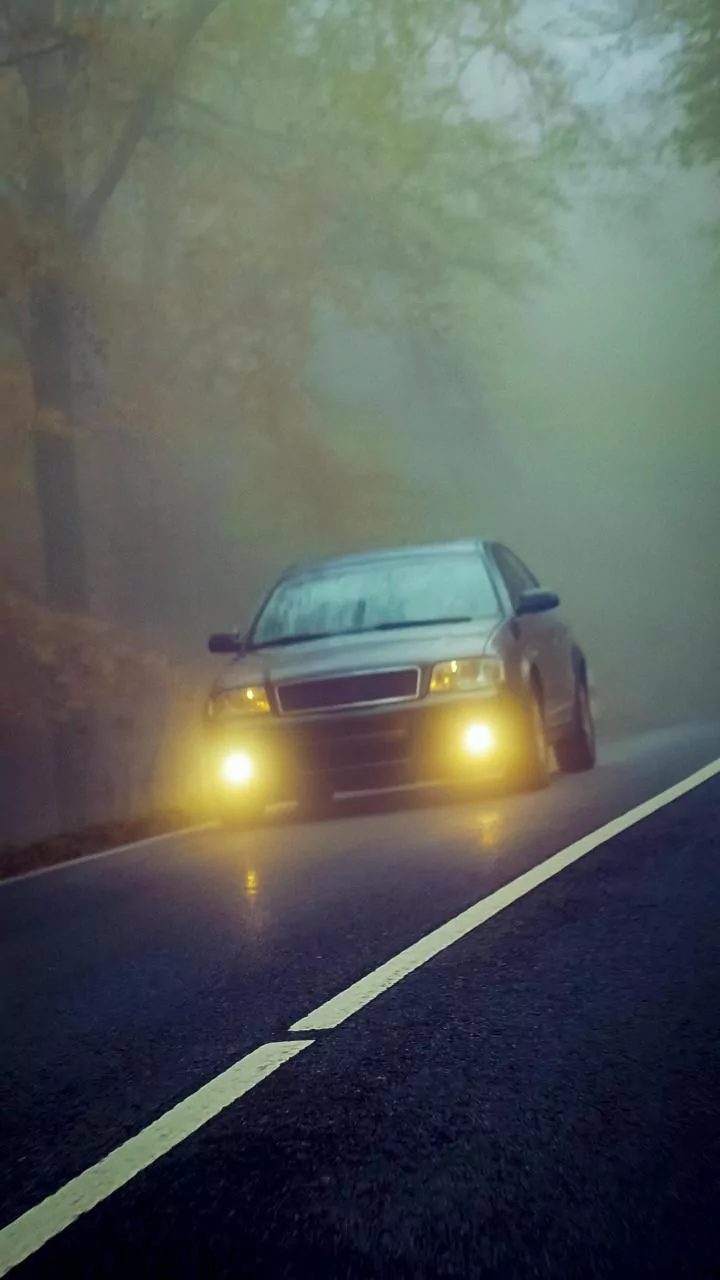
In heavy rain and fog, seeing is as important as being seen. Take a moment to check that all your vehicle’s lights are functioning correctly. This includes your headlights (both low and high beam), tail lights, brake lights, and turn indicators. In many regions, it is mandatory to use headlights during rain, even in the daytime, to make your vehicle more visible to others. Ask a family member to help you check the brake lights or reverse into a position where you can see their reflection. Clean, bright lights are essential for communicating your intentions to other drivers in low-visibility conditions.
5. Inspect the Battery Terminals
The monsoon's high humidity can be tough on your car's electrical systems, particularly the battery. An older battery is more likely to fail in damp conditions. A quick visual check can reveal a lot. Pop the bonnet and look at the battery terminals. If you see any white or greenish, crusty deposits (corrosion), it can hinder the battery's performance. While cleaning them is a simple job, the presence of corrosion might signal that the battery is ageing and should be tested by a professional, especially if it is over three years old.
6. Test the Air Conditioner and Defogger
Your car's air conditioning system does more than just cool the cabin; it is crucial for maintaining visibility. The AC removes moisture from the air, which helps prevent the inside of your windshield and windows from fogging up. Before you set off, turn on your AC and defogger to ensure they are blowing air effectively. If the cooling seems weak or the windows take too long to clear, the system might need servicing. A fogged-up windshield in the middle of a heavy downpour is a serious safety hazard you can easily prevent with this quick check.
7. Ensure Your Emergency Kit Is Ready
Even with the best preparation, unexpected situations can arise. Your final check should be to ensure your car's emergency kit is stocked and accessible. While not a part of the car itself, knowing it's there provides peace of mind. Key items for the monsoon include a flashlight, a first-aid kit, a reflective warning triangle, and a tow rope. Jumper cables, a tyre inflator, and a puncture repair kit are also invaluable. Driving in the rain comes with inherent risks, and having these tools on hand can help you manage a breakdown or assist someone else in need safely.