





The Cosmic Dust of Halley's Comet
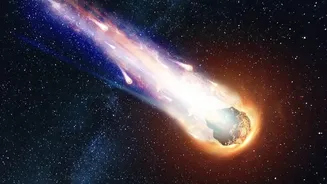
Before we get into this year’s viewing conditions, it’s worth remembering what makes the Orionids so special. These meteors are not random specks of dust; they are cosmic debris left behind by one of the most famous comets in history: 1P/Halley. Every
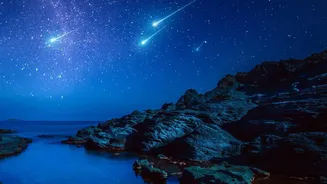
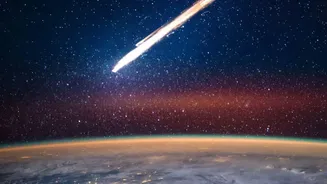
76 years, Halley's Comet swings through the inner solar system, shedding a trail of ice and rock. Twice a year, Earth’s orbit intersects with this ancient stream of particles. The debris that creates the Orionids in October also produces the Eta Aquarid meteor shower in May. When these tiny fragments, many no bigger than a grain of sand, hit our atmosphere at tremendous speeds—about 66 kilometres per second—they burn up, creating the brilliant streaks of light we call meteors.
The Problem: A Bright Waxing Gibbous Moon
The main challenge for the 2026 Orionids is a very bright Moon. The shower is predicted to peak on the night between October 21 and 22. On these nights, the Moon will be in its waxing gibbous phase, around 77-80% illuminated. This means a significant amount of natural light pollution will flood the night sky. A bright moon acts like a celestial screen, washing out the fainter, more numerous meteors. While a dark sky might typically yield 15 to 25 meteors per hour during the Orionids' peak, that number is expected to be significantly lower this year because of the lunar glare. Only the brightest meteors will be able to outshine the moonlight.
Your Best Viewing Window in 2026
Despite the moonlight, there is a strategic window for viewing. The Moon will be prominent in the sky for most of the night, but it will set a few hours before dawn. This creates a pocket of true darkness that is perfect for meteor watching. For viewers in India, the best time to head out will be in the pre-dawn hours of October 22, after the Moon has set and before the sky begins to brighten with sunrise. The shower's radiant—the point from which the meteors appear to originate—is in the constellation Orion, which will be high in the sky during these early morning hours, improving your chances.
Tips for a Better Viewing Experience
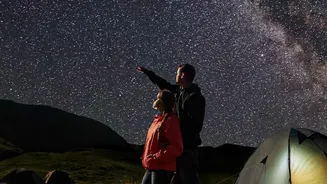
To make the most of the compromised conditions, planning is key. First, get as far away from city lights as possible. Light pollution from urban areas compounds the effect of the bright Moon. Find a dark, open area with a wide view of the sky. Second, give your eyes time to adjust. It can take up to 30 minutes for your eyes to fully adapt to the dark, so avoid looking at your phone screen. Third, don’t stare directly at the radiant in Orion; meteors can appear anywhere in the sky, and you'll spot longer streaks by looking slightly away. You can also try to position yourself in a 'moon shadow' cast by a building or trees to help shield your eyes from the direct glare. Finally, be patient and comfortable. Bring a reclining chair or a blanket, dress warmly, and settle in for a while.
Setting Realistic Expectations
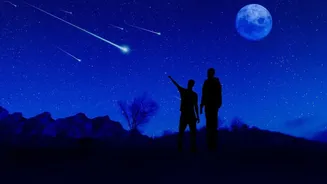
So, is it still worth it? Absolutely, but with managed expectations. You won't see a meteor storm, but the Orionids are known for their speed and tendency to produce bright 'fireballs' and persistent 'trains'—glowing trails that linger for a few seconds after the meteor has vanished. These brighter meteors are more likely to be visible even with the moonlight. Instead of focusing on the quantity of meteors, appreciate the quality of the ones you do see. Each streak of light is a tiny, fleeting connection to the legendary Halley's Comet. While the moon will certainly make the show less impressive than it could be, the chance to see a few brilliant, fast-moving meteors streaking across the pre-dawn sky is still a magical experience.