




Energise with the Right Carbohydrates
Carbohydrates are the body's primary fuel source, and cutting them out entirely can lead to fatigue and weakness. During Navratri, the focus should shift from regular grains like wheat and rice to nutrient-dense alternatives. Opt for pseudo-grains like kuttu
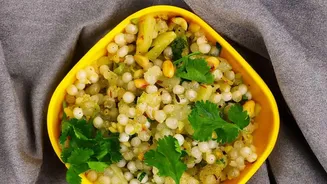
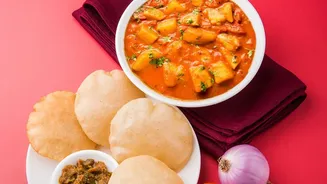
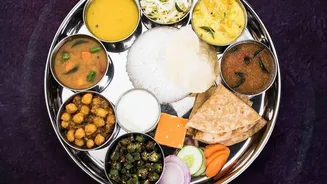
(buckwheat), rajgira (amaranth), singhara (water chestnut flour), and samak rice (barnyard millet). These are not only permitted during the fast but are also rich in minerals and provide sustained energy. Root vegetables like potatoes, sweet potatoes, and yams are also excellent sources of complex carbs. The key is moderation and preparation. Instead of deep-frying puris, try making rotis, cheelas (pancakes), or khichdi. This ensures you get the energy you need without the heaviness of oily foods.
Power Up with Protein
Many traditional fasting meals are heavy on carbs, making it easy to neglect protein. However, protein is crucial for maintaining muscle mass, preventing hunger pangs, and keeping you feeling full for longer. Dairy products are an excellent and easily accessible source; include paneer, milk, and yoghurt (curd) in your daily meals. Nuts and seeds like almonds, walnuts, and peanuts are packed with protein and healthy fats. Amaranth (rajgira) is another fantastic option, as it's a complete protein containing all nine essential amino acids. You can incorporate these by making a paneer curry to go with samak rice, adding nuts to smoothies, or preparing a rajgira cheela.
Fill Up on Fibre
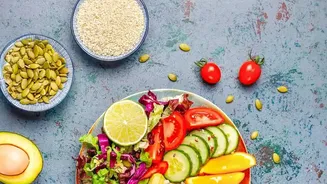
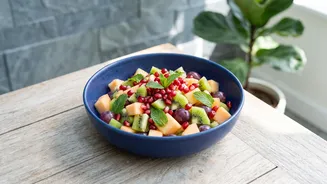
Fibre is essential for good digestion and preventing the constipation that can sometimes accompany dietary changes during fasting. Many vrat-friendly foods are naturally high in fibre. Fruits like apples, bananas, papayas, and pomegranates are great choices that also provide natural sugars for a quick energy boost. Vegetables such as lauki (bottle gourd), pumpkin, and cucumber are also high in fibre and water content, helping you feel full and hydrated. Including a simple fruit salad as a mid-morning snack or a vegetable sabzi with your main meal can significantly increase your fibre intake and keep your digestive system running smoothly.
Stay Hydrated with Smart Fluids
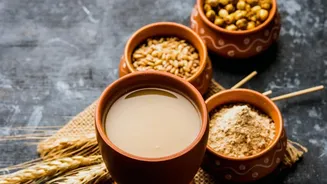
Hydration is about more than just drinking water; it's about maintaining your body's electrolyte balance, which is vital for energy levels. Aim to drink at least 8-10 glasses of fluids daily. While plain water is essential, you can supplement it with other hydrating options. Coconut water is an excellent choice as it's packed with natural electrolytes. Buttermilk (chaas) is a cooling, probiotic-rich drink that aids digestion. You can also sip on herbal teas or lemon water. While fresh fruit juices provide nutrients, smoothies are often considered a better option as they retain the fruit's fibre, helping to keep you full and control cravings.
Putting It All Together: A Sample Day
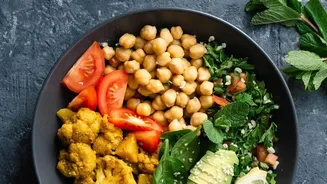
So, what does a balanced day of Navratri eating look like? Start your morning with a handful of soaked nuts for healthy fats. For breakfast, a fruit smoothie with yoghurt provides a mix of carbs, protein, and fluids. At lunchtime, a kuttu cheela (buckwheat pancake) with a side of curd or a bowl of samak rice khichdi with added vegetables and peanuts offers a balanced plate of carbs, protein, and fibre. For an evening snack, roasted makhana (fox nuts) are a light and crunchy option. Dinner could be a nourishing bowl of lauki soup or a sweet potato chaat. Eating smaller, frequent meals helps maintain stable energy levels throughout the day.