




A Different Kind of Horizon
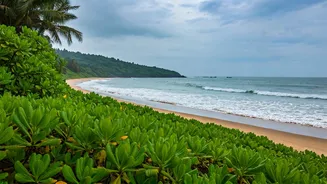
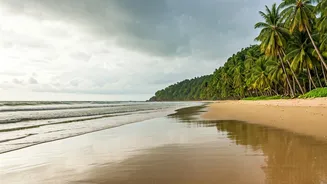
Imagine standing on a beach in North Goa, the sand sprawling before you, meeting a moody, rain-washed sea. Now, remove the usual soundtrack: the overlapping music from shacks, the buzz of water scooters, the chatter of a thousand holidaymakers. What’s
left is the rhythmic crash of waves and the whisper of the wind. This is Goa in the monsoon. Popular stretches that are usually packed shoulder-to-shoulder now offer vast, empty canvases. It’s a startlingly beautiful sight, offering a rare chance to experience the state’s natural coastline without the dense filter of peak-season tourism. The beaches may be quieter, but they feel more alive, reclaimed by nature.
The Monsoon's Green Makeover
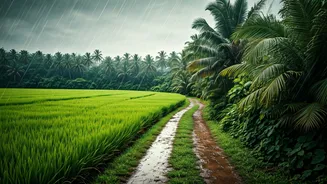
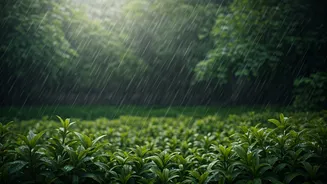
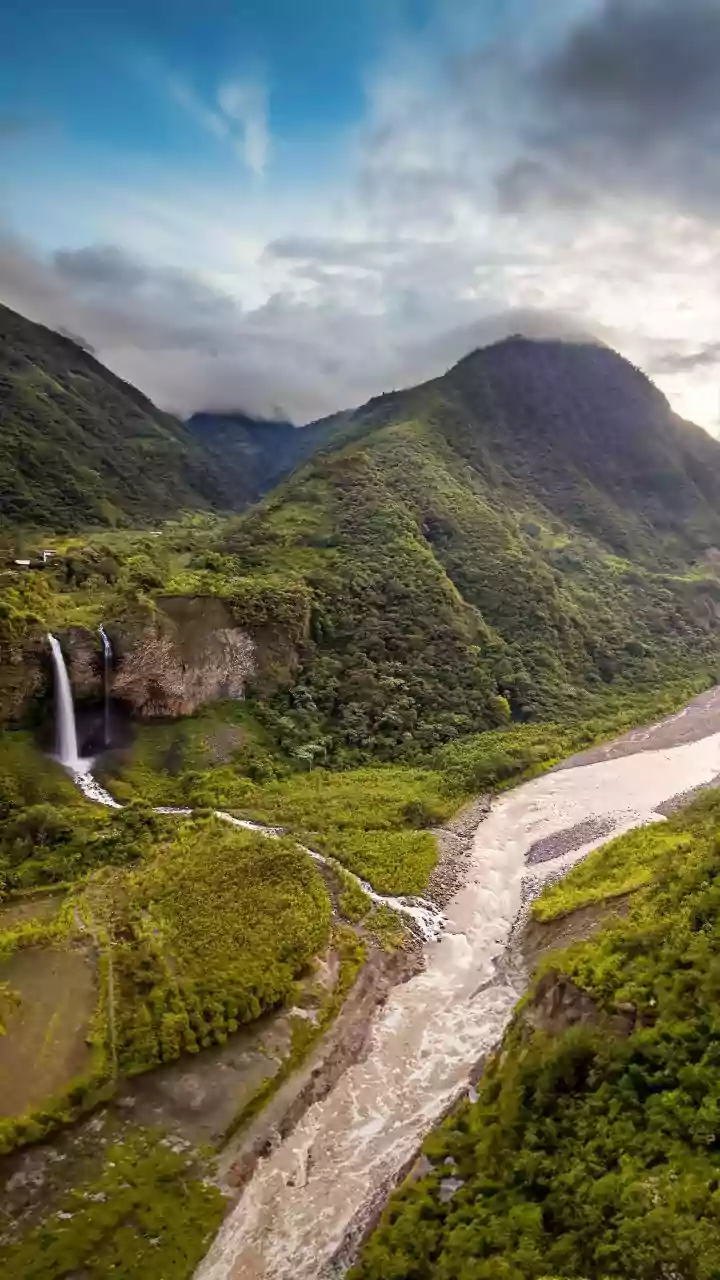
The primary reason for this quiet transformation is the off-season, which in Goa means the monsoon (typically June to September). While winter draws peak crowds, the rainy season has traditionally been a quieter period. The sea can be too rough for swimming, and many temporary beach shacks are taken down. But what some see as an obstacle, others are embracing as an opportunity. The rains trigger a dramatic greening of the landscape, turning the countryside into a lush, emerald spectacle. Waterfalls like Dudhsagar roar back to life, and the paddy fields become a vibrant green. This quieter, greener Goa is increasingly being promoted as an attraction in its own right, with tourism officials noting that visitors are now exploring the state's culture, heritage, and hinterlands beyond the beaches.
Finding the Authentic 'Susegad'
With fewer crowds, the state’s quintessential spirit of ‘susegad’—a Goan concept of relaxed, contented living—comes to the forefront. Derived from the Portuguese word 'sossegado', meaning 'quiet', susegad is about savouring the moment and finding a balance between work and rest. In the absence of the peak season's commercial hustle, this philosophy becomes more tangible. It’s found in the leisurely pace of village life, taking a quiet afternoon siesta as the rain patters down, or enjoying a hot cup of chai while watching the stormy sea. This slower pace allows for more meaningful interactions and a deeper appreciation for the simple pleasures that define the Goan way of life.
Beyond the Beach Lounger
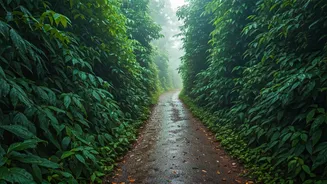
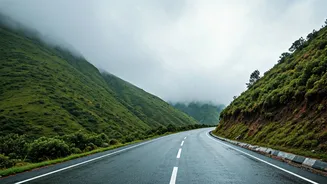
Monsoon travel in Goa is less about sunbathing and more about exploration. The cooler, pleasant weather is perfect for sightseeing and road trips. With the party scene subdued, the focus shifts to the state’s rich interior. Travellers can explore lush spice plantations, take heritage walks through the colourful Latin Quarter of Fontainhas in Panaji, or drive through the mist-covered Chorla Ghat. The state is also actively promoting eco-tourism and wellness, with initiatives to develop nature-based experiences like trekking, river rafting, and exploring wildlife sanctuaries. These activities allow visitors to connect with a side of Goa that is often overlooked during the high season.
A New Chapter for Goan Tourism?
While reports from early 2025 suggested a drop in foreign tourism due to rising costs and geopolitical issues, recent data from the first five months of 2026 shows a significant jump in domestic visitors, leading to overall growth. The Goa government has been actively running monsoon campaigns and collaborating with airlines and hotels to rebrand the rainy season as a prime time to visit. This push, combined with a growing trend of 'slow travel', suggests that the appeal of a quieter Goa is growing. By embracing its off-season charm and diversifying its offerings, Goa seems to be writing a new, more sustainable chapter, proving that its allure doesn't depend on sunny skies alone.