





Jamun: The Monsoon Superfruit
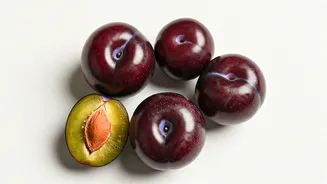
The arrival of jamun, or Indian blackberry, is a hallmark of the Indian monsoon. This deep purple, tangy fruit is not just a seasonal treat but a nutritional powerhouse perfectly suited for the rainy season. Rich in Vitamin C and iron, jamun helps boost
haemoglobin levels and strengthens the immune system, which is often compromised during this time. Its antimicrobial and astringent properties are particularly beneficial for gut health, helping to prevent common digestive issues and stomach infections that are rampant in the monsoon. Furthermore, jamun has a low glycemic index, making it an excellent choice for managing blood sugar levels. For a simple, healthy snack, enjoy them fresh with a sprinkle of black salt, which enhances their flavour and aids digestion.
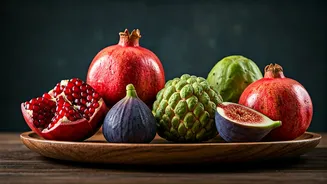
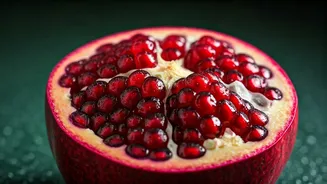
Pomegranate: The Immunity Warrior
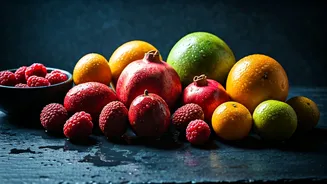
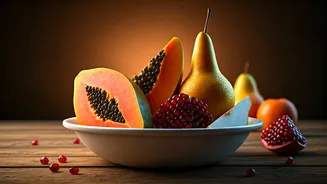
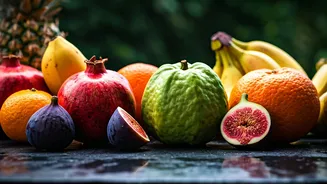
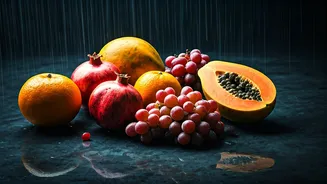
With its jewel-like seeds, the pomegranate is a true warrior when it comes to fighting off monsoon maladies. It is packed with powerful antioxidants—even more than many other fruit juices—that help reduce inflammation and combat bacterial and viral infections. Pomegranates are an excellent source of Vitamin C, which is crucial for a strong immune response against common ailments like colds and flu. They are also known to improve blood health by boosting haemoglobin, keeping you energetic during the often gloomy and lethargic monsoon days. The thick, protective skin of the pomegranate also makes it a safer choice, as it shields the edible seeds from external contaminants.
Cherries: The Antioxidant Powerhouse
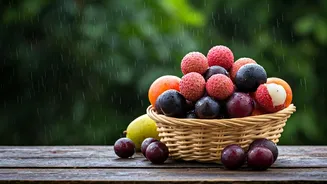
Plump, glossy cherries are another delightful fruit available during the monsoon. They are exceptionally rich in antioxidants and anti-inflammatory compounds like anthocyanins, which help protect the body’s cells from damage and reduce the risk of chronic diseases. This can be particularly helpful for those who experience joint pain or arthritis, which can be aggravated by the damp weather. Cherries are also a natural source of melatonin, a hormone that regulates sleep, which can help improve sleep quality on restless, rainy nights. Their high potassium content is beneficial for regulating blood pressure and supporting heart health.
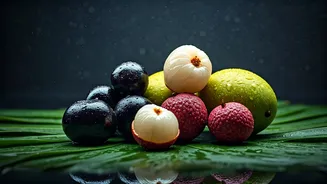
Litchi: The Hydrating Jewel
Appearing at the tail end of summer and the beginning of the monsoon, litchis are a hydrating and delicious choice. These sweet, translucent fruits are loaded with Vitamin C, providing a significant boost to your immune system to help ward off seasonal infections. Litchis also contain dietary fibre, which aids digestion and can help prevent common monsoon issues like bloating and constipation. While their delicate skin means they are best consumed fresh, their high water content helps you stay hydrated, which is important even in the humid weather. Just be sure to choose firm, brightly coloured litchis and consume them promptly.
Pears & Apples: The Fibre-Rich Staples
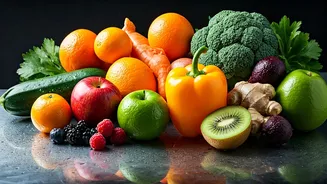
Pears (Nashpati) and apples are reliable, fibre-rich fruits that are excellent choices for the rainy season. Pears are low in calories but high in nutrients like Vitamin C and copper, supporting immune function. Apples are also packed with antioxidants and a flavonoid called quercetin, which can enhance the body's immunity against infections. The high dietary fibre content in both fruits is crucial for maintaining good gut health and promoting regular bowel movements, which can be a challenge as digestion tends to slow down during the monsoon. Their relatively thick skins offer good protection, but they should still be washed thoroughly.
A Word of Caution: Wash and Choose Wisely
The monsoon's humidity creates a breeding ground for germs, making food hygiene more critical than ever. Always wash all fruits thoroughly under clean, running water before cutting or eating them to remove dirt, pesticide residues, and microbes. Be wary of pre-cut fruits sold by street vendors, as they are highly susceptible to contamination. It's also wise to be cautious with fruits that have a very high water content, like watermelon, as they can spoil quickly in humid conditions. Choosing fruits with thick, intact skins that you can peel yourself, like pomegranates and bananas, is often a safer bet. The key is to enjoy the seasonal bounty, but with mindfulness and care.