




Know the Danger Signs
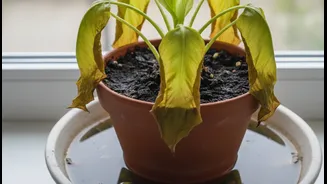
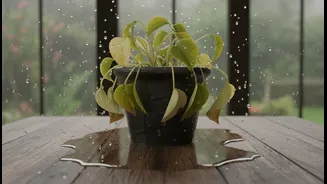
Overwatering can be deceptive because its symptoms sometimes mimic those of an underwatered plant. The most common sign is yellowing leaves, particularly the lower ones, which may feel soft or limp. Paradoxically, the plant might start to wilt even when
the soil is visibly wet. This happens because the roots are so saturated they can no longer absorb oxygen, effectively drowning. Other key indicators include soft or mushy stems near the base, leaf drop, and a foul, musty smell from the soil, which signals that bacterial or fungal growth has begun. If you notice mold on the soil's surface or stunted growth, it's a clear warning that your plant is in distress.
Immediate First Aid for Drenched Plants
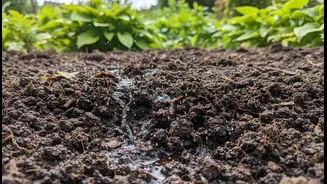
When you spot the signs of overwatering, act quickly. If your plants are in movable containers, the first step is to get them out of the rain and into a sheltered area like a covered porch or balcony. Do not let pots sit in trays full of water; empty them immediately. For larger, heavier pots that are difficult to move, gently tilting them for a few hours can help excess water drain away. To introduce more air to the struggling roots, you can carefully create air pockets by gently loosening the soil around the pot's inner edge or by poking holes in the soil with a garden fork. If the soil surface is compacted, gently loosen the top centimetre or two with a hand tool, which helps improve aeration and drainage.
The Critical Role of Soil and Drainage
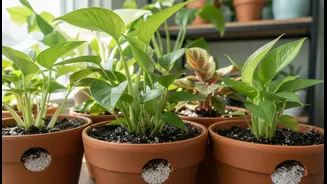
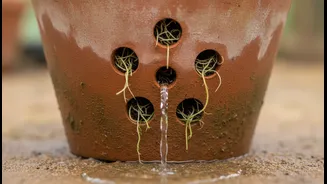
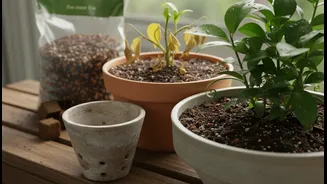
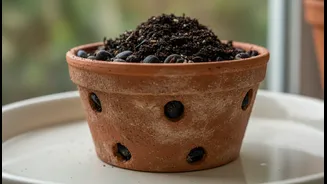
Prevention is always better than a cure, and the right foundation is everything. The primary cause of waterlogging is poor drainage. Standard garden soil is often too dense for containers, as it compacts easily and suffocates roots. For potted plants, always use a high-quality potting mix specifically designed for containers. These mixes are light and fluffy, typically containing ingredients like peat moss, perlite, vermiculite, or coco peat. These materials create air pockets, which are essential for healthy roots to breathe, while also ensuring excess water drains freely. Before the monsoon, check that all your pots have unobstructed drainage holes. Elevating pots on bricks or stands can also make a huge difference by preventing the drainage holes from getting blocked.
When and How to Repot a Waterlogged Plant
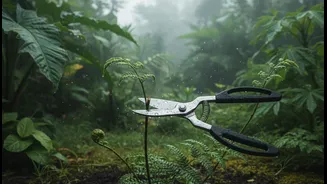
If a plant is severely waterlogged, repotting may be the only way to save it. Gently remove the plant from its pot and inspect the root ball. Healthy roots are typically firm and white or tan, while rotten roots will be brown or black, mushy, and may have a foul smell. Using a sterilised pair of scissors, carefully trim away all the affected roots. It can feel drastic, but you should also prune some of the plant's foliage. A smaller root system cannot support a large amount of leaves, so reducing the foliage helps the plant focus its energy on recovery. Discard the old, soggy soil and wash the pot with a disinfectant solution to kill any lingering pathogens. Finally, repot the plant in fresh, dry, well-draining potting mix. Wait a few days before watering lightly.
Long-Term Prevention and Care
Once you've rescued your plant, or to prepare for the next rainy spell, adopt some long-term strategies. Avoid applying mulch while it's raining heavily, as it can trap moisture against the soil. Instead, wait for a break in the weather. Good air circulation is vital for preventing fungal diseases that thrive in humid conditions, so avoid overcrowding your plants. During periods of heavy rain, hold off on fertilising, as damaged roots are vulnerable and can be easily burned. You can resume a gentle fertilising schedule once you see signs of new, healthy growth. For gardeners in very wet areas, creating shallow channels in garden beds can help guide water away from plant bases. Ultimately, paying close attention to your plants and the moisture level of their soil is the best defense against the dangers of overwatering.