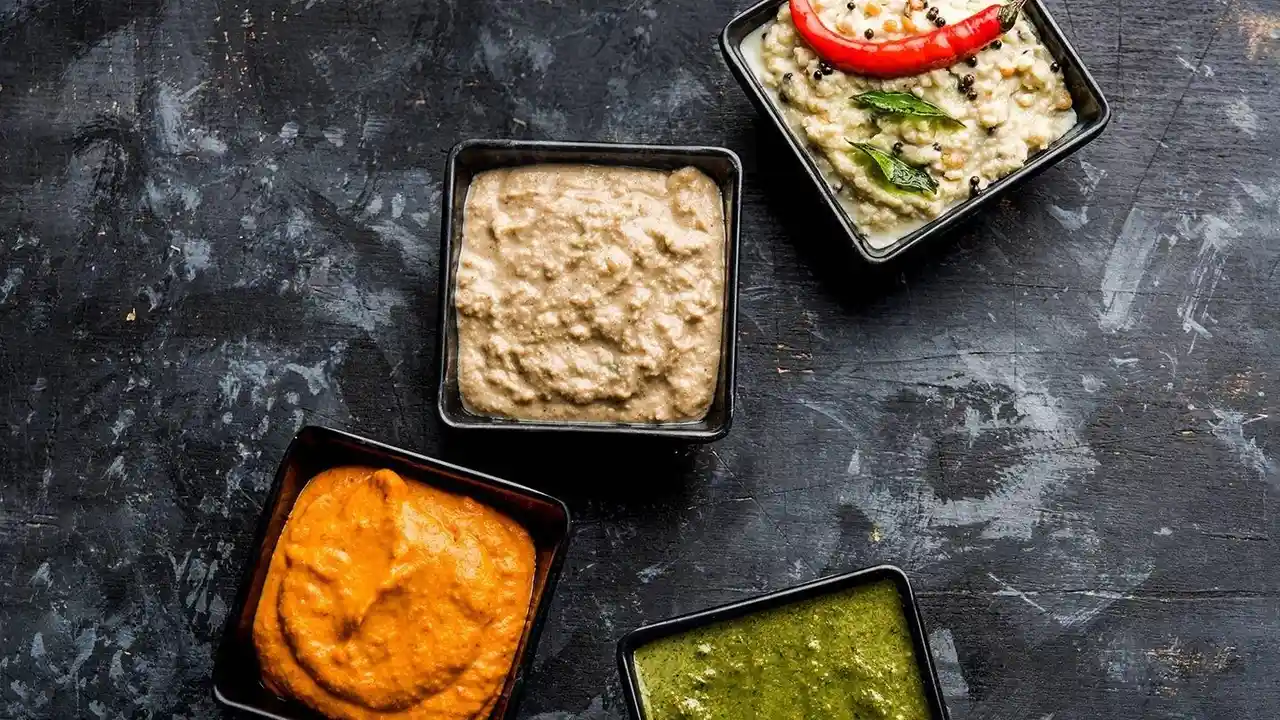

Look at the door of a modern Indian refrigerator. Next to the usual suspects—ketchup, mustard, and mayonnaise—a new set of contenders is vying for space. These glass jars are filled not with imported sauces, but with a taste of home, reimagined.
The Quiet Condiment Revolution
A quiet
but flavorful revolution is taking place in urban Indian kitchens. For years, the condiment shelf was dominated by global giants. Tomato ketchup, in particular, became a ubiquitous part of Indian meals. But a change is underway. An increasing number of consumers are now reaching for bottled versions of chutneys that were traditionally made fresh at home. This isn't just about convenience; it's a significant cultural shift. The Indian condiments market is growing steadily, with projections showing significant expansion in the coming years. While international sauces are also growing in popularity, the real story is the rise of packaged traditional flavours, from fiery thechas to tangy imli chutneys, which are now claiming their rightful place on the dining table.
A Renaissance of Regional Flavours
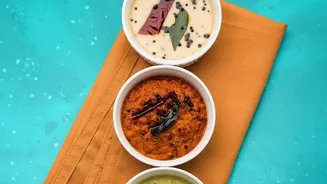
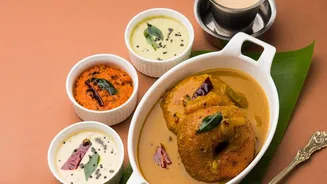
The new wave of chutney brands is moving far beyond the standard mint and tamarind. Entrepreneurs are digging deep into India’s diverse culinary heritage, bottling regional specialities that were once confined to specific communities or states. You can now find Maharashtrian peanut thecha, Bengali kasundi (mustard relish), Andhra-style gongura, and robust garlic chutneys lining store shelves and quick-commerce apps. Major players like Kissan and Tata Sampann have entered the fray, alongside a vibrant ecosystem of startups such as Chutnefy and Spice Story. These companies are betting that modern consumers want authentic, complex flavours without the laborious preparation, offering everything from instant chutney powders to ready-to-eat versions in convenient cups.
Driven by Health and Heritage
What’s driving this shift? A major factor is a growing health consciousness among urban consumers. There is a rising preference for 'clean labels'—products with natural ingredients, no preservatives, and lower sugar and salt content. Many artisanal chutney brands champion this philosophy, using traditional recipes and locally sourced ingredients. This trend is part of a broader movement in Indian pantries, where refined products are being replaced by healthier, more traditional alternatives like jaggery, cold-pressed oils, and millets. Consumers are increasingly viewing their food choices as an extension of their wellness routine, and these chutneys fit perfectly into that narrative by offering both flavour and perceived health benefits.
More Than Just a Side Dish
Perhaps the biggest sign of their challenge to global condiments is how these artisanal chutneys are being used. They are breaking free from their traditional role as a mere accompaniment to Indian meals. Food lovers are using them as sandwich spreads, pasta sauces, marinades for grills, and flavour boosters in salads. Brands are actively encouraging this creative use, marketing their products as versatile flavour solutions for the modern, experimental cook. This adaptability makes them a direct competitor to sauces like sriracha or pesto. A spicy garlic chutney can liven up a pizza, and a sweet mango chutney can be used as a glaze for roasted chicken, demonstrating a versatility that rivals any international sauce.