
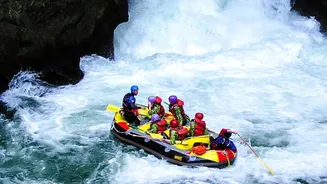
Navigating the Late-Monsoon Season
The late-monsoon period, typically September, is a transitional time for Rishikesh rafting. The season is generally closed from July to mid-September due to dangerously high and unpredictable water levels. As rainfall subsides, operators prepare to welcome
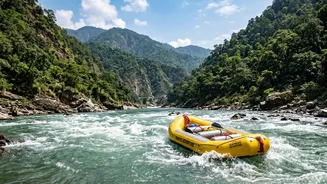
adventurers back, with rafting often expected to resume around the third week of September. However, the river remains swollen and fast-flowing from the monsoon runoff, making the experience more exhilarating but also demanding greater caution. It is crucial for first-timers to understand that post-monsoon rapids can feel more intense than during the calmer winter months. Always verify with licensed operators that the season has officially been declared open by the Uttarakhand Tourism Department before making any plans, as dates can shift based on weather conditions.
Understanding Rafting Grades
Whitewater rapids are classified on an international scale from Grade I to VI, indicating their difficulty. For beginners, especially in the lively post-monsoon flow, sticking to lower grades is essential. Grade I rapids are the easiest, with small, gentle waves and almost no risk. Grade II rapids introduce some obstacles and require basic manoeuvring, offering a bit more excitement. Grade III rapids are more adventurous, with stronger currents and irregular waves that require coordinated paddling. Higher grades like IV and V are reserved for experienced rafters and involve significant hazards. As a first-timer, your focus should be on stretches dominated by Grade I and II rapids to ensure a safe and enjoyable introduction to the sport.
The Ideal Beginner Stretch: Brahmpuri to Rishikesh
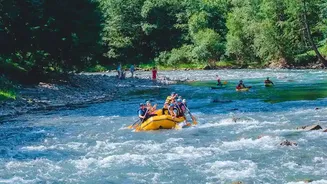
For anyone new to rafting, the Brahmpuri to Rishikesh (or NIM Beach) stretch is the undisputed best choice. Spanning approximately 9 to 10 kilometres, this route typically takes about 1.5 to 2 hours on the water. It primarily features Grade I and II rapids, which are mild and playful, making it perfect for families, children (usually above 10 or 12 years), and nervous first-timers. Rapids on this stretch have reassuring names like 'Initiation' and 'Double Trouble', offering fun splashes without significant risk. This section allows you to get comfortable with paddling, enjoy the stunning Himalayan scenery, and even includes calm pools where you can safely body surf under your guide’s supervision.
A Cautious Step Up: Shivpuri to Rishikesh
The 16-kilometre stretch from Shivpuri to Rishikesh is one of the most popular, but it requires more consideration for late-monsoon beginners. It features a mix of Grade II and more demanding Grade III rapids like 'Roller Coaster' and 'Golf Course'. While often suitable for confident beginners in other seasons, the higher water levels after the monsoon can make these Grade III rapids significantly more challenging. This stretch is best suited for second-time rafters or particularly adventurous first-timers who are physically fit and have been briefed thoroughly. If you are considering this route, it is vital to discuss the current river conditions with your operator and honestly assess your comfort level.
Your Pre-Rafting Safety Checklist
Your safety on the river starts before you even touch the water. First, choose only a licensed and experienced rafting operator approved by the Uttarakhand government. Ask about their safety record and guide certifications. Before the trip, a mandatory safety briefing is crucial; pay close attention to the instructions on paddle commands and what to do if you fall overboard. Ensure your life jacket and helmet fit snugly and are properly fastened. Wear appropriate clothing—quick-drying synthetic fabrics are ideal, while cotton should be avoided as it gets heavy and cold when wet. Secure footwear like waterproof sandals is a must, not flip-flops. Finally, do not consume alcohol before rafting and inform your guide of any medical conditions.