



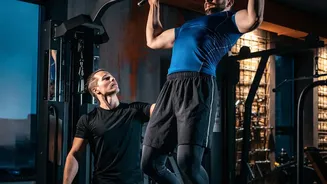

The End of the 'Punishment' Workout
For years, the narrative around festive fitness has been one of compensation. We indulge, and then we punish ourselves on the treadmill or in a high-intensity class, viewing exercise as a way to 'cancel out' the calories. This all-or-nothing mindset often
leads to burnout, injury, and a negative relationship with movement. Experts note that when exercise is framed as a punishment, it becomes a chore to be endured rather than a celebration of what our bodies can do. This cycle of overindulgence followed by extreme exercise is not only mentally draining but can also be ineffective for long-term health. The stress of intense workouts, especially when coupled with the late nights and rich foods of the holidays, can be counterproductive. Now, a collective shift is underway, moving away from this damaging cycle and towards a kinder, more consistent approach to staying active.
Why Walking Is the New Festive Hero
At the forefront of this shift is the simple act of walking. Once overlooked in favour of more grueling activities, walking is now being celebrated for its accessibility and profound benefits. It's a low-impact activity, meaning it's gentle on the joints, reducing the risk of injury that can come with high-impact workouts like running. This makes it suitable for people of all fitness levels and ages. Studies have shown that consistent, moderate-intensity walking offers significant health benefits, including a reduced risk of high blood pressure, high cholesterol, and diabetes. Beyond the physical, walking is a powerful tool for mental well-being. A brisk walk can boost energy, improve mood by releasing endorphins, and help manage the stress that often accompanies the holiday season. It requires no special equipment or expensive gym membership, just a pair of comfortable shoes and a little time.
Consistency Trumps Short-Term Intensity
The core message of this new fitness philosophy is that consistency is more important than intensity, especially during busy periods. Many fitness experts now advise aiming for regular, shorter bursts of activity rather than sporadic, marathon gym sessions. Maintaining a routine, even a modified one, helps keep your energy levels steady, supports your immune system, and makes it easier to transition back to your regular fitness schedule after the holidays. While high-intensity interval training (HIIT) can burn more calories in a shorter time, its benefits rely on pushing the body to its limits—something that can be difficult and even detrimental during a season of increased stress and less sleep. A consistent daily walk, on the other hand, builds a sustainable habit that reinforces long-term health goals without leading to fatigue or burnout.
How to Build a Festive Walking Routine
Incorporating walking into your festive schedule doesn't have to be complicated. The key is to make it an enjoyable and non-negotiable part of your day. Schedule your walks as you would any other appointment. A 30-minute walk after a meal can aid digestion and regulate blood sugar. Find a walking partner to stay accountable and make it a social activity. Explore new routes in your neighbourhood or local parks to keep things interesting. If you're looking for more structure, you can try trending methods like 'Japanese Walking,' which alternates between three minutes of fast walking and three minutes of slow walking for 30 minutes. This interval approach has been shown to improve aerobic capacity and strength more effectively than a steady-paced walk. The goal is simply to move your body in a way that feels good, making it a habit you can stick with long after the decorations come down.
Beyond the Walk: Other Gentle Options
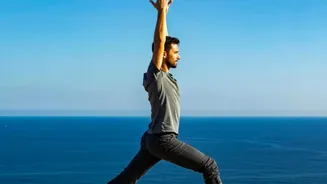
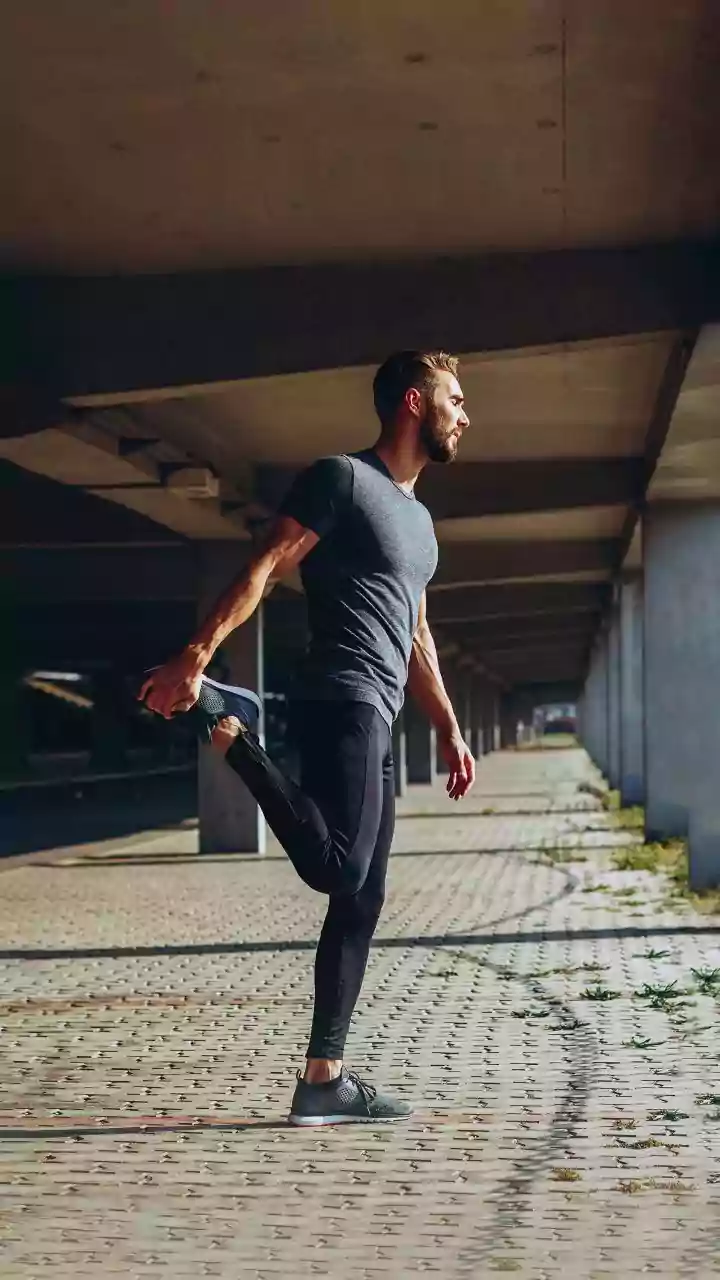
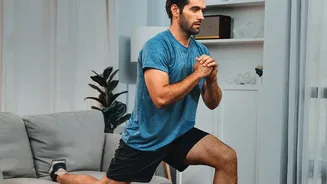
While walking is leading the charge, the trend towards gentler fitness includes a variety of accessible activities. Bodyweight exercises like squats, push-ups, and lunges can be done anywhere, even in a hotel room, and require no equipment. A short yoga or stretching session can help relieve stiffness and reduce stress, with practices like 'walking yoga' incorporating mindful movement and breathing into your daily stroll. The aim is to find enjoyable forms of movement that add to your holiday cheer rather than detract from it. Listening to your body is crucial; on days when you feel energetic, you might opt for a brisker pace or a bodyweight circuit. On other days, a slow, mindful walk may be exactly what you need. This flexible, intuitive approach to fitness focuses on well-being over metrics, ensuring you enter the new year feeling refreshed, not depleted.