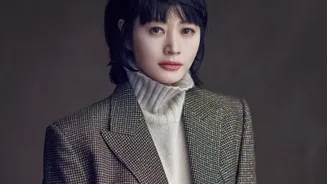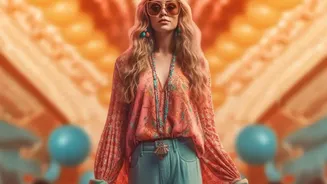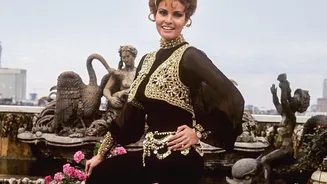

The shag with wispy bangs is everywhere, offering a soft, textured frame for the face. But this modern trend has deep roots in one of fashion's most rebellious decades, a time of cultural change reflected in its signature choppy layers.
The Birth of a Rebel Haircut
At its core, the
shag is defined by its layers—short on top, longer underneath, and textured all over. It was created by hairstylist Paul McGregor and was designed to be a unisex cut that was easy to wear. This was a radical departure from the structured, high-maintenance beehives and polished bobs of the 1960s. The shag was intentionally messy, celebrated natural texture, and required minimal styling, embodying a new spirit of freedom and a rejection of conformity. Its 'wash and go' nature was revolutionary, offering a style that was personal, improvised, and defiant.
Jane Fonda and The 'Klute' Shag
The shag exploded into the mainstream in 1971, thanks to Jane Fonda. For her role as Bree Daniels in the film 'Klute', Fonda asked hairstylist Paul McGregor to simply 'do something' with her hair. The result was the iconic 'Klute' shag, a choppy, layered style that was a stark contrast to the long, blonde hair she was known for. Fonda herself said she knew she could 'do life differently with this hair', seeing it as a volley for independence. The haircut became synonymous with her character and her growing political activism, cementing its status as a symbol of female liberation and counterculture cool.
An Era of Androgynous Style
While Fonda was the shag's most famous female ambassador, the haircut’s unisex appeal was central to its 70s identity. The rock and roll scene, in particular, embraced its androgynous edge. Male rock stars like David Bowie, Mick Jagger, and Rod Stewart adopted the shag, blurring traditional gender lines. On the other side of the stage, female musicians like Joan Jett, Stevie Nicks, and Debbie Harry made the cut their own, pairing it with punk and rock aesthetics. This cross-gender popularity helped solidify the shag as a haircut for anyone who wanted to project an attitude of effortless, non-conformist cool.
From Choppy Layers to Feathered Flips
The 1970s didn't have just one version of the shag. While the rock and roll shag was choppy and rebellious, a softer, more glamorous version also emerged. The most famous example was Farrah Fawcett's feathered haircut. Though not a classic shag, her style took the layering principle and gave it a high-volume, bouncy finish with curls flipped outwards. This 'Farrah flip' inspired a wave of copycat styles that were less about rock-and-roll edge and more about sun-kissed, California glamour. This adaptability proved the shag wasn't a rigid style but a versatile concept based on texture and movement.
The Modern Shag and Wispy Bangs
Today's shag revival keeps the layered, textured spirit of the 70s original but with a decidedly softer, more refined finish. The modern shag often features more blended layers, avoiding the harsh, disconnected look of some vintage cuts. The addition of wispy bangs is a key update. Where 70s bangs were often heavy and blunt, today’s wispy or curtain bangs are lighter, softer, and designed to gently frame the face. This combination offers the movement and volume of a classic shag but with a more relaxed, modern sensibility that feels both effortless and chic.