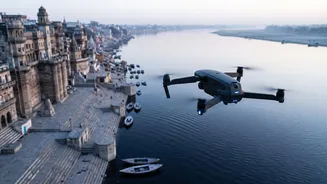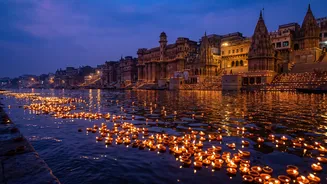





As Varanasi prepares for Dev Deepawali, the spectacle of a million lamps on the Ganges ghats brings an immense challenge: ensuring the safety of lakhs of visitors. A massive, multi-agency effort is underway to manage the massive crowds.
The Spectacle and the Stakes
Dev Deepawali,
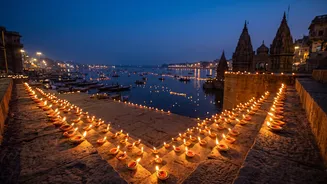
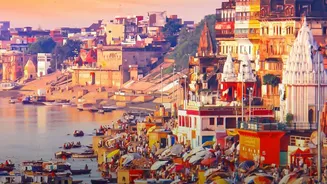
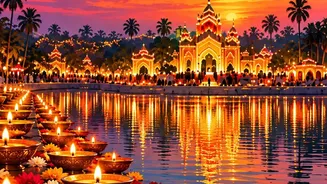
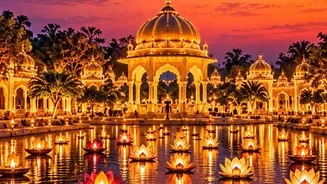
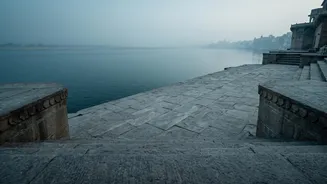
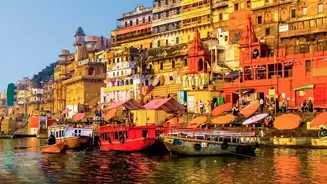
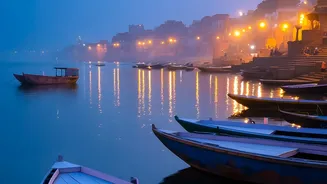
celebrated on Kartik Purnima fifteen days after Diwali, is one of the most breathtaking sights in India. On November 24, 2026, all 84 ghats of Varanasi will flicker to life with millions of earthen lamps, or 'diyas', lit by devotees to welcome the gods, who are believed to descend to Earth to bathe in the holy river. This 'Diwali of the Gods' attracts hundreds of thousands of pilgrims and tourists, creating a dense sea of humanity on the narrow riverfront steps and in the winding lanes of the ancient city. While visually stunning, the sheer volume of people—estimated to be over half a million—poses significant safety risks, from stampedes and overcrowding to the inherent dangers of a powerful river flowing alongside. Managing this confluence of faith and footfall is a monumental task for the city's administration.
A Multi-Layered Safety Net
In response, authorities have rolled out a comprehensive safety plan. The core of the strategy involves dividing the ghats into zones and sectors for easier management. A significant presence of life guards from various agencies, including the National Disaster Response Force (NDRF), State Disaster Response Force (SDRF), and local police, will be visible along the banks. These teams are not just on standby; they actively patrol the river in motorised boats equipped with modern rescue gear and life-saving equipment. In addition, water ambulances will be stationed at key ghats like Dashashwamedh and Assi to provide rapid medical assistance in case of emergencies. The deployment is a year-round commitment for the NDRF in Varanasi, but it is significantly bolstered during high-footfall events like Dev Deepawali and Shravan Mela.
Focus on River and Crowd Control
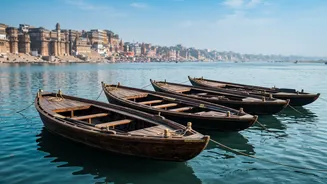
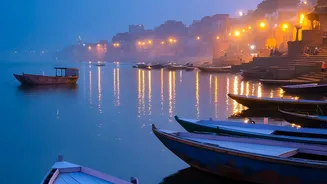
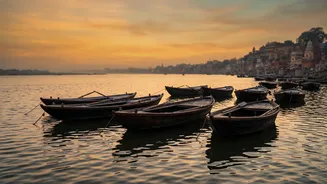
A major focus is on boat safety, a critical component of the Dev Deepawali experience for many who wish to see the illuminated ghats from the water. The administration has held meetings with boat operators, mandating the use of life jackets for every passenger and prohibiting overloading. Boats without the necessary safety equipment will not be allowed to operate. On land, managing the crowd flow is paramount. Police will implement robust barricading at key entry points to the ghat area, such as Godowlia and Maidagin, to prevent dangerous surges. Traffic restrictions will be severe, with most vehicles banned from approaching the ghats in the afternoon, requiring visitors to walk the final one or two kilometres. Specialised police teams with loudhailers will patrol the ghats and adjacent narrow streets to guide the public and maintain order.
What Visitors Should Know
For those attending, planning is essential for a safe and enjoyable experience. Authorities advise visitors to arrive at the ghats several hours before sunset, as popular spots fill up quickly. It is crucial to wear comfortable footwear suitable for walking on uneven steps and through crowded lanes. Given the massive crowds, mobile networks can become unreliable, so it's wise to establish a meeting point with your group in case of separation. Visitors are urged to cooperate with security personnel and follow instructions regarding oneway routes and restricted areas. Using registered boats and insisting on wearing a life jacket throughout the ride is nonnegotiable for river safety. Above all, keeping valuables to a minimum and being aware of your surroundings will help ensure the focus remains on the spiritual and cultural beauty of the festival.