

A Leap in Diagnostic Technology
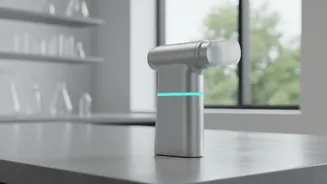
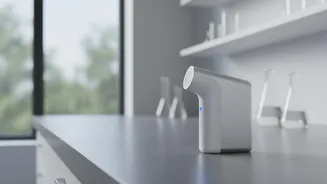
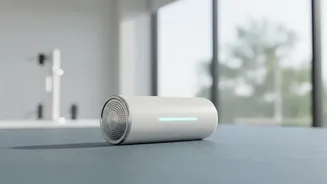
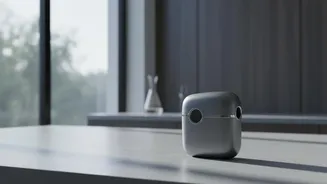
The concept of a 'breathalyzer for disease' is rapidly moving from science fiction to reality, with several Indian research groups and startups making significant strides. One such innovation is an AI-powered nano breath sensor designed to detect serious
ailments, including various cancers and metabolic disorders, within minutes. The technology works by analysing Volatile Organic Compounds (VOCs) in exhaled breath. These microscopic chemical compounds are byproducts of our body's metabolic processes, and their patterns can change significantly in the presence of disease, creating a unique 'breath print' for different conditions. The promise is enormous: a fast, painless, and affordable screening tool that could be deployed anywhere, from urban hospitals to rural clinics, potentially saving lives through early detection.
The Science: Nano and AI
The device's power comes from the fusion of two cutting-edge fields: nanotechnology and artificial intelligence. At its core is a highly sensitive nanosensor, or an array of them, engineered to trap and identify specific VOCs present in even the most minute quantities in a person's breath. This is where the AI comes in. The patterns of hundreds of different VOCs are incredibly complex and can vary based on diet, environment, and other factors. Machine learning algorithms are trained on vast datasets of breath samples from both healthy individuals and patients with confirmed diseases. The AI learns to distinguish the subtle, disease-specific signatures from the background noise, enabling it to flag a potential health issue with a high degree of reported accuracy in lab settings.
The Focus Shifts to Real-World Proof
While lab results showing high accuracy are a vital first step, they are not the finish line. The true hurdle for any new medical device is proving its effectiveness and reliability in the real world. This is where independent, large-scale testing becomes the most critical part of the story. A device must perform consistently across diverse populations, accounting for variations in genetics, lifestyle, and co-existing health conditions. What works perfectly in a controlled lab setting may face unexpected challenges in a busy clinic in a different part of the country. This phase moves beyond the initial developers to involve unbiased clinical researchers and regulatory bodies.
The Gauntlet of Medical Validation
For any medical device to be legally marketed in India, it must navigate the rigorous approval process overseen by the Central Drugs Standard Control Organization (CDSCO). This process is designed to protect patients by ensuring that any new technology is not only effective but also safe. For a revolutionary diagnostic tool like an AI breath sensor, this involves multi-centric clinical trials where the device's results are compared against the current 'gold standard' diagnostic methods, such as biopsies or advanced imaging. These trials must be meticulously documented and the data submitted for review. Without this validation, a groundbreaking invention remains an experimental concept, unable to create the widespread impact it promises. The process can be lengthy and expensive, often taking many months or even years.
Stakes for India's Med-Tech Ambitions
The journey of this nano-AI breath sensor is symbolic of the broader ambitions of India's burgeoning medical technology sector. Successfully taking a homegrown, deep-tech innovation from a research lab to a globally recognized and approved medical product would be a monumental achievement. It would not only signal a maturation of the country's R&D ecosystem but also build confidence among investors and the global medical community. The focus on robust, independent testing is therefore not just a regulatory requirement; it's a necessary step to build trust and establish credibility. Proving that such advanced technology works reliably in the complex Indian healthcare landscape would pave the way for a new generation of affordable, accessible, and world-class medical devices made in India.