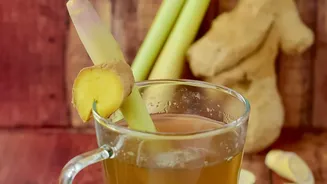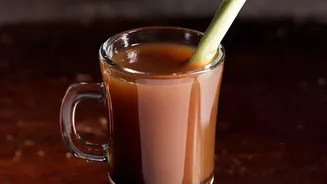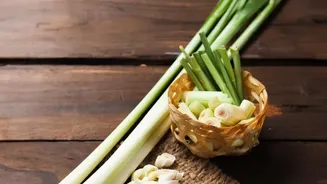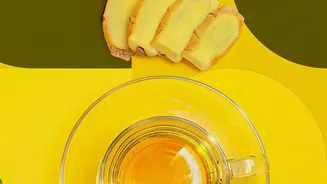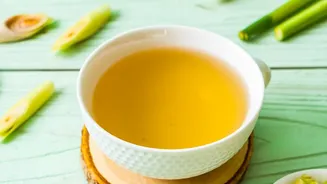




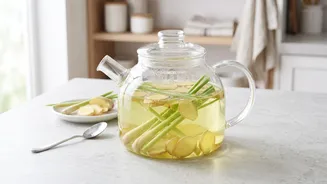
That wonderfully fragrant stalk of lemongrass sitting in your kitchen holds more potential than just a soothing cup of tea. Its unique, citrusy-herbal aroma can elevate countless dishes. Here are some practical ideas to get you started.
First, Brew a Strong Base
Before you start
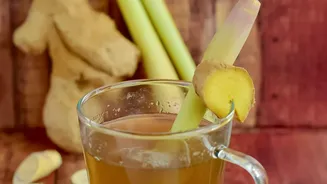
cooking, you'll need to create a potent lemongrass tea to use as an ingredient. Forget the delicate brew you might sip on its own; for cooking, you want a concentrated flavor. To do this, take several fresh lemongrass stalks, trim the ends, and peel off any tough outer layers. Chop the tender lower portions into small pieces and bruise them with the back of a knife to help release their aromatic oils. Simmer these pieces in water for 10-15 minutes, allowing the liquid to become deeply infused with that signature citrus scent. Strain this liquid, and you now have a powerful cooking base ready to go.
Aromatic Marinades for Meats and Tofu
Lemongrass tea makes an exceptional foundation for marinades. Its flavor profile—a mix of lemon, mint, and ginger—pairs beautifully with chicken, fish, shrimp, and tofu. For a simple and effective marinade, combine your strong, cooled lemongrass tea with soy sauce, minced garlic, a touch of sugar or honey, and fish sauce. Let your protein soak in this mixture for at least 30 minutes before grilling, pan-frying, or baking. The tea not only tenderizes the protein but also imparts a complex, aromatic quality that is much more nuanced than using just lemon juice.
Flavorful Broth for Soups and Stews
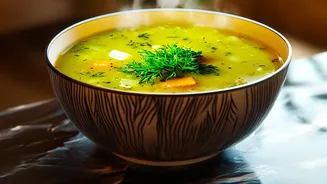
Elevate your homemade soups by swapping out plain water or stock for lemongrass tea. This technique is central to many Southeast Asian-inspired broths, like Thai Tom Yum or Vietnamese noodle soups. Use the tea as the liquid base for a coconut curry soup, adding ginger, garlic, vegetables, and your choice of chicken or shrimp. The lemongrass-infused broth will lend a bright, clean note that cuts through the richness of the coconut milk, creating a perfectly balanced and fragrant meal. You can also add whole, bruised stalks to the pot as it simmers for an extra layer of flavor, remembering to remove them before serving.
A Delicate Poaching Liquid
Poaching is a gentle cooking method that helps keep food moist and tender, and using an aromatic liquid is key. Lemongrass tea is an excellent choice for poaching both savory and sweet ingredients. Gently poach chicken breasts or fish fillets in a simmering lemongrass broth for a succulent, subtly flavored result. This method is also fantastic for fruits. Pears poached in a sweet lemongrass tea infused with ginger or star anise become an elegant and light dessert. The leftover poaching liquid can even be reduced down to a syrup to drizzle over the top.
Surprising Twists in Desserts
The floral, citrusy notes of lemongrass are a perfect match for creamy desserts. One creative way to incorporate it is by infusing the milk or cream for recipes like panna cotta, custards, or ice cream. Simply steep lemongrass in the dairy as you heat it, then strain before proceeding with the recipe. This imparts a delicate, unexpected aroma. You can also use brewed lemongrass tea in baked goods. Try making a lemongrass drizzle cake by incorporating concentrated tea into both the batter and the final glaze for a multi-layered flavor experience. Another option is to create a lemongrass-infused simple syrup to moisten cakes or sweeten fruit salads.
Refreshing Cocktails and Mocktails
Beyond the kitchen, brewed and chilled lemongrass tea serves as a fantastic base for a wide range of beverages. Its sophisticated flavor profile makes it a versatile mixer. For a simple and refreshing drink, mix chilled lemongrass tea with sparkling water and a squeeze of lime. It also pairs wonderfully with gin or vodka for an herbaceous cocktail. Combine the tea with muddled mint, a little sugar, and your spirit of choice for a modern twist on a mojito or smash. Its ability to be both refreshing and complex makes it a staple for creative drink-making.