





The Scale of the Economic Damage
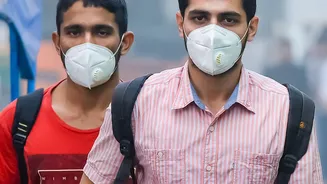
The conversation about air pollution has rightly been dominated by its devastating health impacts, including an estimated 1.67 million deaths in India in 2019. However, a growing body of research reveals the immense and often underestimated financial
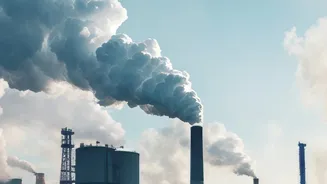
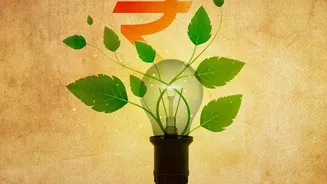
consequences. According to various reports, air pollution costs the Indian economy tens of billions of dollars annually, equivalent to a significant percentage of the country's GDP. One report from Dalberg Advisors, in partnership with the Clean Air Fund and CII, estimated the annual cost to Indian businesses at a staggering $95 billion, or about 3% of India's GDP. This isn't just an environmental issue; it's a direct threat to economic growth, draining resources that could otherwise fuel development.
The Productivity and Talent Drain
One of the most significant hidden costs is the erosion of human capital. Poor air quality directly impacts worker productivity. Studies indicate that on high-pollution days, employee efficiency can drop by 8-10%. This is due to both physical and cognitive impairments; workers feel exhausted, their focus declines, and complex tasks become more difficult. This leads to what is known as 'presenteeism'—where employees are at work but not fully functional—costing businesses billions. Additionally, there's a rise in outright absenteeism, with one report estimating that 1.3 billion working days are lost annually due to pollution-related illnesses. This dual threat of lower efficiency and more sick days puts a major drag on industries, from IT to manufacturing.
A Tarnish on 'Brand India'
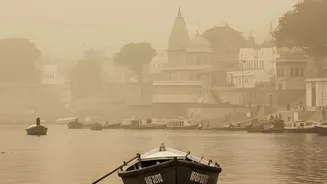
The thick smog is also damaging India's image on the global stage, with tangible effects on sectors like tourism. Destinations such as Delhi and Agra are seeing a slowdown in bookings as international and domestic tourists alike opt for cleaner air. Travel industry experts have noted that an increasing number of tourists are requesting to alter their itineraries to avoid heavily polluted northern regions, especially during the winter months. This has a direct impact on the tourism sector, with one estimate suggesting business could be hit by 10-15%. The issue extends beyond tourism to foreign investment, as poor air quality and the associated health risks can make India a less attractive place for expatriates and global businesses to relocate.
The Unseen Toll on Agriculture
While urban centres are the focus of pollution headlines, India's agricultural heartland is also suffering. Pollutants like ground-level ozone and particulate matter inflict direct damage on crops. Particulates settle on leaves, blocking sunlight and hindering photosynthesis, the process by which plants create energy to grow. Ground-level ozone, an invisible pollutant, enters the plant and causes internal damage, weakening it and reducing yields. Studies have shown this can lead to significant reductions in key crops like wheat and rice. With agriculture being a cornerstone of the Indian economy, this pollution-driven loss of output represents a grave threat to rural livelihoods and the nation's food security.
The Direct Burden on Businesses
Beyond the indirect productivity losses, businesses face a host of direct costs. Companies are spending more on healthcare for their employees and footing the bill for higher insurance premiums. Many are forced to invest in expensive air purification systems for their offices to create a safe working environment. Consumer-facing businesses also suffer when pollution levels spike, as people choose to stay home, leading to lower footfall in retail areas and restaurants. This reduction in consumer spending creates a ripple effect, slowing down local economies. Ultimately, tackling air pollution is not just about protecting public health but is also a crucial economic strategy to enhance productivity, attract investment, and ensure sustainable growth for the future.