








Our Cities Are Drowning in Waste
Let's start with the big picture. India's cities are grappling with a massive waste management crisis. Landfills are overflowing, and a huge portion of this garbage—nearly 50-60%—is organic, wet waste from our kitchens. When this organic matter gets buried
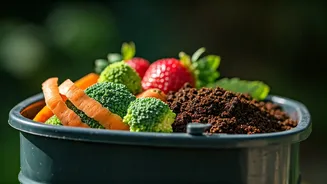
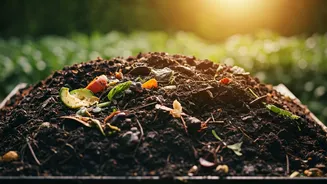
in a landfill, it decomposes without oxygen, releasing methane, a potent greenhouse gas. Composting at home directly tackles this problem at its source. By turning your vegetable peels, coffee grounds, and food scraps into soil, you are single-handedly diverting kilos of waste from landfills each month. It's a small, personal act with a huge collective impact, offering a tangible way to combat a visible urban problem.
It’s Never Been Easier (or Cleaner)
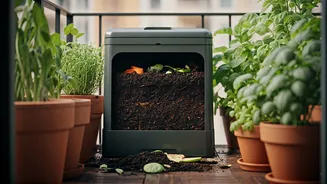
Forget the old image of a smelly, fly-infested heap in a giant backyard. Modern composting is designed for urban living. For apartment dwellers, compact solutions like vermicomposting (using earthworms) or Bokashi (a fermentation method) are odour-free and can be kept on a balcony or under a sink. There are even sleek, electric composters that turn scraps into usable compost in a matter of hours. Communities across cities like Bengaluru and Pune have pioneered simple, effective systems using terracotta pots (like the 'Khamba' method) that make the process straightforward and clean. The internet is also filled with tutorials and support groups, demystifying the process for beginners.
The Rise of the Urban Gardener
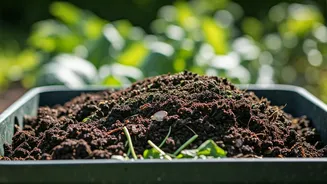
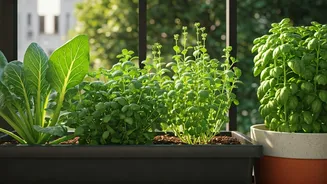
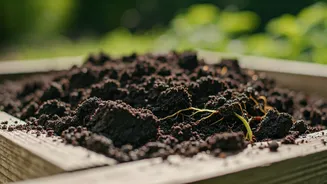
The pandemic sparked a gardening revolution. Balconies, terraces, and windowsills across India are now lush with tomato plants, herbs, and flowers. This has created a new demand for one key ingredient: good soil. Compost is often called 'black gold' by gardeners for a reason. It's a nutrient-rich, all-natural fertiliser that improves soil structure, helps retain moisture, and promotes healthy plant growth. Why buy plastic bags of chemical-laden fertiliser when you can create a superior, organic version for free? For the new generation of urban gardeners, composting isn’t just about waste reduction; it's about creating a closed-loop system where kitchen 'waste' becomes food for their plants.
It Can Actually Save You Money
While the environmental benefits are clear, the financial perks are becoming a major draw. First, you eliminate the need to buy fertilisers and potting soil for your plants, which can add up over time. Second, as more municipalities experiment with 'pay-as-you-throw' waste collection models, reducing the volume of your household garbage could eventually lead to direct savings on utility bills. By turning a significant portion of your waste into a valuable resource, you're not just being green—you're being economically smart. It's a practical approach to sustainability that appeals to a much wider audience.
A Way to Connect and Build Community
Composting is becoming a social activity. Many residential societies are now setting up community composting pits, turning a solitary chore into a collective project. Neighbours share tips, troubleshoot problems, and collectively manage their building's organic waste. Online, social media groups and Instagram accounts dedicated to composting in India are thriving. People share their 'black gold' harvests, post pictures of their thriving plants, and offer encouragement to newcomers. This sense of community makes the habit stick. It’s a shared journey towards a more sustainable lifestyle, proving that you’re not just doing it alone.