





Decoding the Data
Recent data has spotlighted the travel and tourism sector as a significant engine for job creation. According to the foundit Insights Tracker, July saw a 17% year-on-year (YoY) increase in hiring within this industry, marking it as the strongest performer
among all sectors surveyed. This growth is particularly noteworthy when compared to the broader Indian white-collar job market, which, according to the Naukri JobSpeak Index, grew at a more modest 5% YoY in the same month. While the IT sector's return to positive growth and a 33% surge in AI-related roles grabbed headlines, travel's robust performance signals a different, more consumer-driven story of economic revival. It is worth noting that different employment reports can show variations based on their distinct methodologies; for instance, the Naukri report indicated a 7% decline for the hospitality and travel segment. However, the substantial growth highlighted by the foundit data points to powerful underlying trends that are giving the sector a distinct hiring advantage.
The Undeniable Power of Domestic Travel
At the heart of the sector's resurgence is the Indian domestic traveller. Domestic tourism has become the backbone of the industry, accounting for a vast majority of revenue. This is not a fleeting trend but a fundamental shift powered by a growing middle class with increased disposable income and a strong desire to explore. The post-pandemic phenomenon of 'revenge travel' has matured into a sustained habit, with Indians prioritising holidays and experiences. This consistent domestic demand provides a stable foundation for hotels, airlines, and tour operators, enabling them to expand their operations and, consequently, their workforce. The industry's contribution to India's GDP, which stood at over 5% in the 2023-24 fiscal year, is a testament to this powerful internal engine.
Government Push and Infrastructure Boost
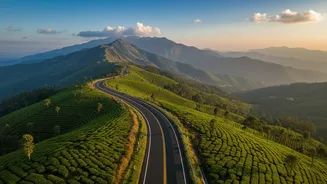
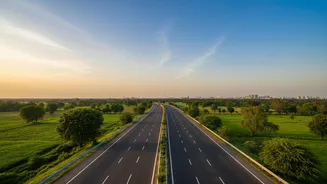
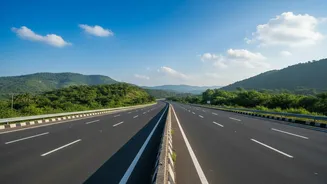
The sector's growth isn't happening in a vacuum. It is being actively supported by significant government initiatives and massive investments in infrastructure. Programs like Swadesh Darshan and PRASHAD have been crucial in developing new tourist circuits and upgrading facilities at pilgrimage sites. Simultaneously, the unprecedented expansion of national highways, the modernisation of railway networks, and the construction of new airports have drastically improved connectivity. Better infrastructure makes destinations more accessible and travel more seamless, which directly stimulates tourist footfall and encourages private investment in hospitality. This coordinated push is strengthening India's competitiveness as a global destination while ensuring the benefits of tourism-led growth are distributed more widely across the country.
The New In-Demand Roles
The hiring boom extends across a wide spectrum of roles, reflecting a vibrant and diversifying industry. Projections indicate that the sector could create millions of new jobs over the next few years. There is strong demand for traditional roles such as travel consultants, tour operators, hotel staff, and chefs. However, the growth is also fuelling demand for new-age skills. As travel tech companies and online booking platforms become more dominant, there is a growing need for digital marketing specialists, data analysts, and IT professionals who can enhance the online customer journey. Roles for skilled guides, especially those with expertise in wildlife or specific cultural niches, are also seeing a surge. This demand spans entry-level, semi-skilled, and highly skilled positions, offering a broad range of career opportunities.
Growth Beyond the Metros
While major hubs like Delhi and Mumbai remain central, the real story of tourism's expansion is happening in Tier-2 cities and new destinations. States like Gujarat are rapidly emerging as major tourist draws. The hiring momentum is not confined to the metros; cities like Bhubaneswar and Gandhinagar have shown exceptional hiring growth. Jaipur, Ahmedabad, and Chandigarh are also becoming key hubs for recruitment in the travel ecosystem. This geographical diversification is a healthy sign for the industry and the national economy. It indicates that tourism is creating livelihood opportunities in new regions, spreading economic benefits, and helping to develop a more resilient and distributed national tourism infrastructure.