




The Great Kitchen Homecoming
For decades, the Indian pantry was slowly modernised, with processed foods and refined grains taking centre stage. But the pendulum is swinging back. A growing number of Indians, particularly millennials and Gen Z, are looking past fleeting global fads
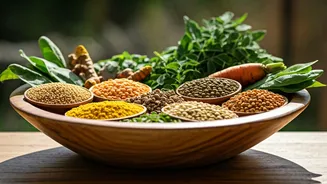
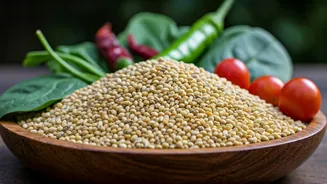
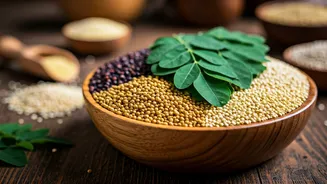
and rediscovering the potent, nutrient-dense foods that their grandparents swore by. This isn't just about nostalgia; it's a conscious, educated shift towards local, sustainable, and scientifically-backed wellness. Items once considered humble or rural, like bajra (pearl millet) and jowar (sorghum), are now being celebrated as 'superfoods' and taking pride of place in health-conscious households.
What's Driving the Change?
This movement isn't happening in a vacuum. Several factors have created a perfect storm for the revival of traditional foods. The most significant driver is a post-pandemic surge in health consciousness. Consumers are more proactive about immunity and overall well-being, seeking natural and preventive solutions. Secondly, government initiatives have played a huge role. The United Nations declaring 2023 the 'International Year of Millets' at India's suggestion put a massive spotlight on these climate-resilient, nutrient-rich grains. This has spurred farmers to increase cultivation and encouraged brands to innovate. Finally, there's a growing 'vocal for local' sentiment, where consumers are keen to support indigenous agriculture and reduce their carbon footprint by choosing locally sourced products over imported alternatives.
Meet the Stars of the Revival
While the list is long, a few key players are leading this traditional food revolution.
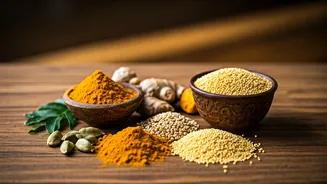
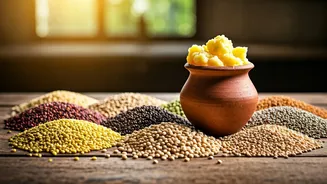
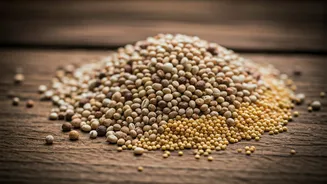
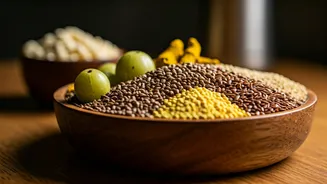
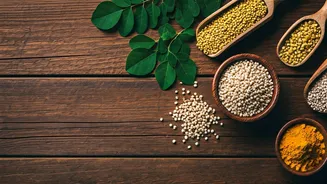
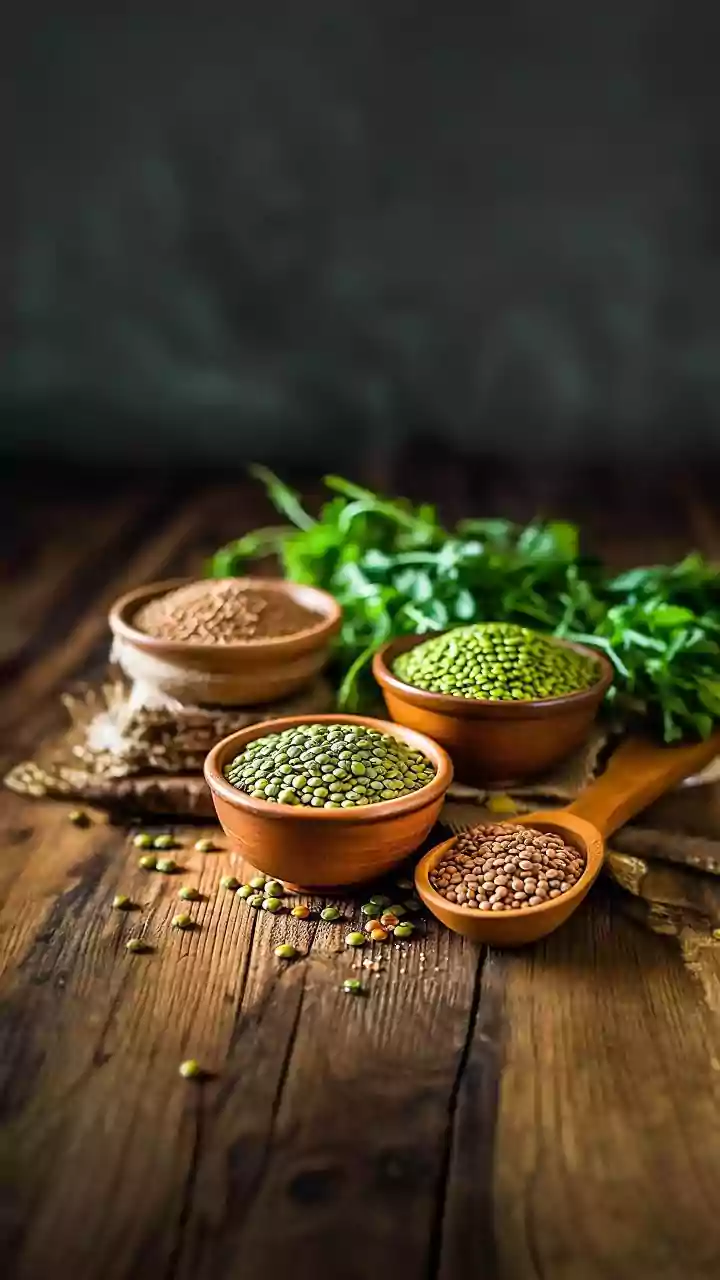
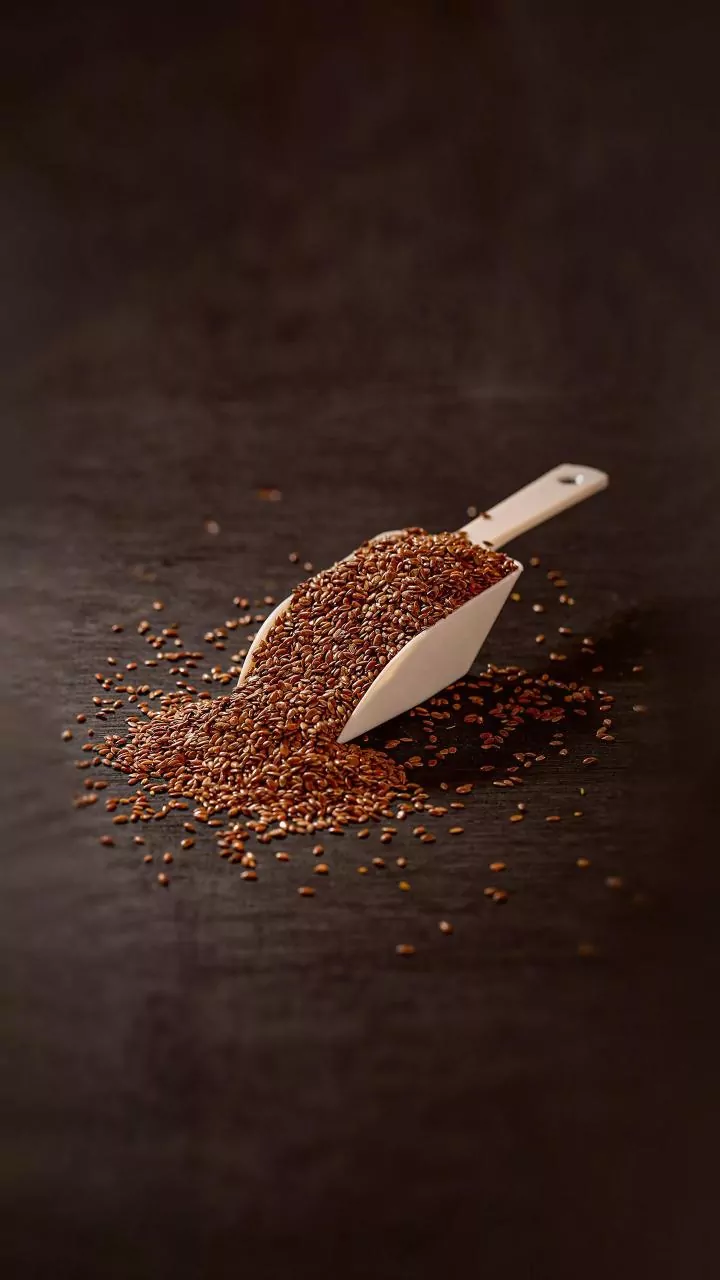
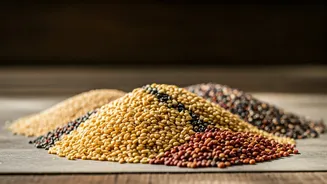
Millets (Ragi, Jowar, Bajra): These hardy grains are the undisputed champions. Naturally gluten-free, high in fibre, and packed with minerals like iron and calcium, millets are incredibly versatile. They are being used to make everything from modern breakfast cereals and pasta to traditional rotis and porridges. Ragi, or finger millet, is particularly popular for its high calcium content.
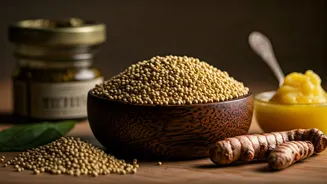
Turmeric (Haldi): The humble 'haldi' has gone global, but its homecoming is just as significant. Prized for its anti-inflammatory compound, curcumin, it's moving beyond the spice box. 'Haldi doodh' (turmeric latte) is a cafe staple, and turmeric is now a key ingredient in wellness shots, teas, and supplements.
Amla (Indian Gooseberry): This tangy fruit is one of the richest known sources of Vitamin C. Traditionally consumed as pickles (achar) or preserves (murabba), amla is now widely available as a convenient juice, powder, or candy, marketed for its powerful antioxidant and immunity-boosting properties.
Ghee (Clarified Butter): Once unfairly villainised, pure, desi ghee is making a strong comeback. Nutritionists now praise its healthy fats, gut-healing properties, and high smoke point, making it a preferred cooking medium over refined oils. It’s being embraced not as an indulgence, but as a functional food.
From Niche to Mainstream
This trend has sparked a cottage industry of health food startups. Clever packaging, convenient formats, and direct-to-consumer models are making these traditional foods accessible and appealing to the modern urban consumer. You can now buy millet-based pancake mix, ready-to-eat khichdi with ancient grains, and ashwagandha-infused snack bars online and in major retail stores. Restaurants and cafes are also weaving these ingredients into their menus, signalling a broader cultural acceptance. This commercialisation is crucial, as it creates a sustainable economic cycle that supports farmers and makes healthy eating more convenient for everyone.