






The Complicated Truth About Sugar
Navigating the world of nutrition can feel like a full-time job, especially when it comes to sugar. One day, a headline screams about its dangers; the next, a new diet claims some sugars are fine. This constant back-and-forth has left many people confused
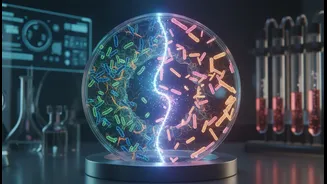
and frustrated. At the heart of the debate are two simple sugars: glucose and fructose. Though they often appear together in our food—in everything from fruit to high-fructose corn syrup—our bodies handle them in surprisingly different ways. Understanding this difference is the first step toward making sense of the mixed messages and appreciating the nuances of how what we eat affects our bodies and minds.
Glucose vs. Fructose: A Tale of Two Sugars
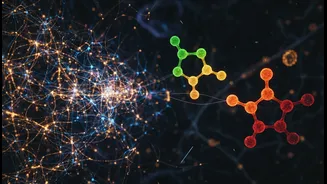
On a chemical level, glucose and fructose are very similar. They are both monosaccharides, meaning they are single-unit sugars, and they provide the same amount of energy (calories). However, their journey through the body is dramatically different. Glucose is the body’s preferred source of energy. It’s absorbed directly into the bloodstream and used by our cells for fuel, with insulin playing a key role in its regulation. Fructose, commonly known as fruit sugar, is metabolized almost entirely in the liver. This fundamental difference in processing is at the core of why these two sugars have distinct effects on our health, hunger, and even our cravings.
The Gut-Brain Axis: A Constant Conversation
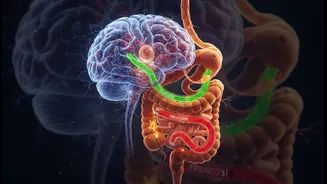
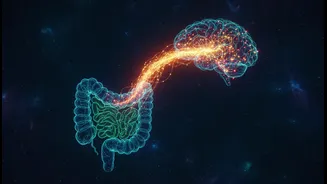
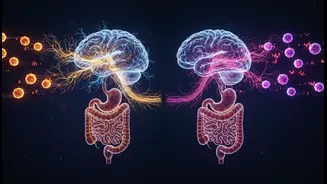
Your gut and brain are in constant communication through a complex network of nerves, hormones, and chemical signals known as the gut-brain axis. This bi-directional highway allows your digestive system to tell your brain what you’ve eaten, influencing everything from mood to hunger. The vagus nerve is a major player in this system, acting like a direct information line from the gut to the brain. When nutrients are detected in the gut, signals are sent up to the brain, informing it of the body's energy status. This system was long thought to be relatively simple, with the brain just counting calories. But new research shows the conversation is much more specific.
What the New Research Reveals
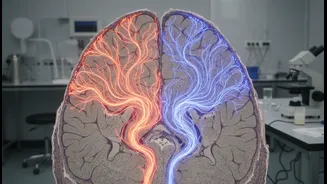
Recent studies, including work from researchers at the Monell Chemical Senses Center, have shown that glucose and fructose send remarkably different messages to the brain. Using experiments in mice, scientists found that glucose strongly suppresses the activity of brain cells that drive hunger, specifically the agouti-related protein (AgRP) neurons. This sends a clear "I'm full" signal. Fructose, on the other hand, only weakly suppresses these hunger neurons. It uses a different pathway, involving the gut hormone PYY and the vagus nerve, but the resulting signal is much more modest. This means that, calorie for calorie, fructose does a much poorer job of telling your brain that you’ve had enough.
Different Signals, Different Cravings
These different signaling pathways have a real impact on eating behavior. In the studies, mice showed a preference for liquids sweetened with glucose or high-fructose corn syrup (a mix of both sugars) over those containing only fructose. This suggests the stronger satisfaction signal from glucose makes it more rewarding. Because fructose doesn't effectively switch off hunger signals, it may contribute to overconsumption. This finding helps explain why foods and drinks high in fructose can be so appealing and might not leave you feeling full, creating a cycle of craving and consumption. It challenges the old idea that a calorie is just a calorie, proving that the type of nutrient profoundly changes how the brain responds.
Toward More Accurate Headlines
This research provides a practical route toward more nuanced conversations about sugar. Instead of blanket statements, we can begin to discuss the specific effects of different sugars. It highlights why consuming fructose in a piece of fruit, which comes with fiber and other nutrients that slow absorption, is very different from consuming it in a highly processed, sweetened beverage. For journalists and health communicators, the takeaway is clear: headlines need to move beyond simplistic good-versus-evil narratives. Acknowledging the distinct roles of glucose and fructose in gut-brain signaling allows for more accurate reporting that empowers people to make truly informed decisions about their diet. It’s not just about how much sugar, but what kind.