




Why Meal Prep Is Your New Best Friend
Meal prepping is more than just cooking in advance; it is a lifestyle hack that gives you back time, saves money, and reduces stress. By dedicating a few hours on a weekend, you can set yourself up for a week of nutritious, home-cooked vegetarian meals.
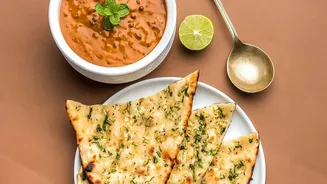
No more last-minute food panic before an exam or spending your precious money on expensive delivery meals. A simple batch of cooked dal, for instance, can be transformed into dal tadka one day and dal paratha the next. This approach not only prevents food waste but ensures you are eating balanced meals that fuel your brain for late-night study sessions.
The Sunday Shopping Blueprint
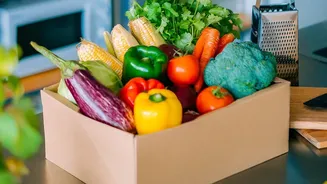
A successful prep week starts with a smart shopping list. Instead of wandering the market aimlessly, go in with a plan. Your goal is to buy versatile ingredients that form the foundation of multiple Indian dishes. Focus on these core categories: Grains: Basmati rice, quinoa, and whole wheat flour for rotis are essential. Proteins: Stock up on a variety of dals (toor, moong, masoor), legumes like chickpeas (chana) and kidney beans (rajma), and paneer or tofu. Hardy Vegetables: Carrots, bell peppers (capsicum), beans, cabbage, and potatoes hold up well after being chopped and stored. Leafy Greens: Spinach and methi (fenugreek) can be washed, dried, and stored for a few days. Flavour Bases: The holy trinity of Indian cooking—onions, tomatoes, and ginger-garlic paste—is non-negotiable.
Your Two-Hour Power Prep Session
Set aside about two hours on a Sunday for your prep. This is where the magic happens. Put on some music and get into the zone. The key is to work in parallel. 1. Cook your grains and proteins: Get your rice cooker or pressure cooker going. Cook a large batch of rice and boil your chosen dals or legumes like chana or rajma. These can be stored and used throughout the week. Boiled potatoes are also great to have on hand for a quick aloo sabzi or filling for parathas. 2. Create a 'base gravy': This is a game-changer. Sauté a large batch of chopped onions, ginger-garlic paste, and pureed tomatoes. Cook this 'bhuna masala' until the oil separates. Freeze it in ice cube trays or small containers. When you need to make a curry, just pop out a cube, add your vegetables or paneer, and your meal is halfway done. 3. Chop your vegetables: Wash, peel, and chop your hardy vegetables like carrots, beans, and capsicum. Store them in airtight containers. This saves you the daily hassle of chopping.
Keeping It Fresh All Week
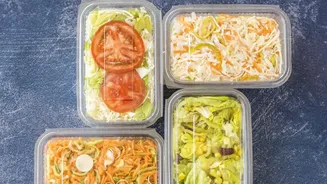
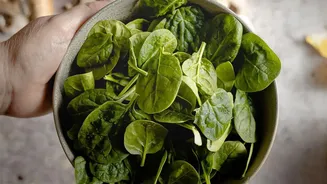
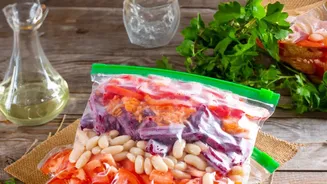
Proper storage is crucial to making your prepped ingredients last. Use airtight containers to keep everything fresh and prevent odours from mixing in the fridge. For chopped vegetables like carrots, you can store them submerged in water in a sealed box, which keeps them crisp for up to a week. Leafy greens like spinach should be washed and dried completely before being stored in a container lined with a paper towel to absorb excess moisture. Your base gravy and boiled dals can be refrigerated for up to 5 days or frozen for longer.
Effortless Weekday Meal Assembly
With your 'ingredient bank' ready, assembling meals during the week becomes incredibly fast. Here are some ideas: Quick Sabzi: Heat a cube of your base gravy, add your pre-chopped vegetables, and cook until tender. You have a fresh sabzi in under 15 minutes. Protein-Packed Salad: Mix boiled chickpeas or rajma with chopped onions, tomatoes, and a squeeze of lemon for a quick and filling chaat or salad. Dal and Rice: Reheat your pre-cooked dal and give it a fresh tadka (tempering) of cumin seeds and garlic in ghee or oil. Serve with your batch-cooked rice. Stuffed Parathas: Mash boiled potatoes, add spices, and use it as a filling for parathas made with your pre-kneaded dough.