



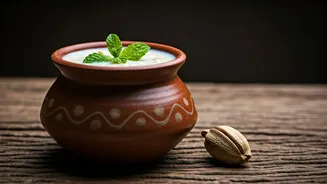


A Tradition of Goodness
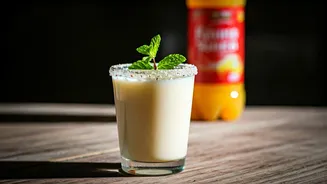
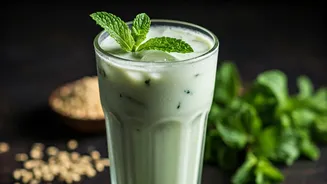
For generations, lassi has been more than just a beverage; it's a part of our culinary heritage. Traditionally, it's a simple blend of dahi (yogurt), water, and a pinch of salt or spices like roasted cumin. This 'namkeen' version is celebrated for its
probiotic qualities, aiding digestion and cooling the body from the inside out. In its purest form, it’s a powerhouse of calcium, protein, and gut-friendly bacteria. When someone offered you a glass of homemade lassi, they were offering you a glass of wholesome goodness, a remedy for the sweltering afternoon sun and a perfect accompaniment to a hearty Punjabi meal. This is the lassi we grew up romanticising—simple, nourishing, and deeply rooted in a tradition of wellness.
The Sweet Transformation
Somewhere along the line, lassi underwent a major makeover. As it moved from home kitchens to bustling cafes, restaurant menus, and supermarket shelves, sweetness became its dominant identity. The simple salted lassi now shares the stage with a dazzling array of sweet-and-fruity counterparts: mango lassi, rose lassi, strawberry lassi, and more. Packaged lassis, in particular, are formulated for mass appeal and a longer shelf life, which often means stabilisers, artificial flavours, and, most significantly, a substantial amount of added sugar. While these new avatars are undeniably delicious and convenient, they represent a fundamental departure from the drink’s humble, health-focused origins. This modern lassi is often less of a digestive aid and more of a dessert in a glass.
Revealing the 'Sweet Catch'
Here's the catch the headline hints at: the staggering amount of sugar. A single serving (around 250-300 ml) of a commercially prepared sweet or fruit-flavoured lassi can contain anywhere from 25 to 40 grams of sugar. To put that in perspective, that’s about 6 to 10 teaspoons of sugar. The Indian Council of Medical Research (ICMR) recommends limiting added sugar intake to about 25-30 grams per day for an adult. This means one glass of a popular mango lassi could easily meet or exceed your entire recommended daily sugar limit. You might think you're making a healthier choice than a fizzy soda, but in many cases, the sugar content is comparable, if not higher. The natural sugars from fruit are one thing, but the bulk of this comes from refined sugar added to make the drink more palatable and addictive.
Why This Matters for Your Health
Consuming high levels of added sugar regularly has well-documented health consequences. It contributes to weight gain, increases the risk of developing type 2 diabetes, and can lead to other metabolic issues. In a country like India, where lifestyle-related health conditions are on a sharp rise, being mindful of these 'hidden' sugars is crucial. The perception of lassi as an inherently 'healthy' or 'natural' drink can create a blind spot. We might drink it without a second thought, not realising we are consuming a high-calorie, sugar-dense beverage that offers little of the digestive benefit of its traditional counterpart. This isn't about demonising lassi, but about updating our understanding to match its modern form.
Enjoying Lassi, The Smarter Way
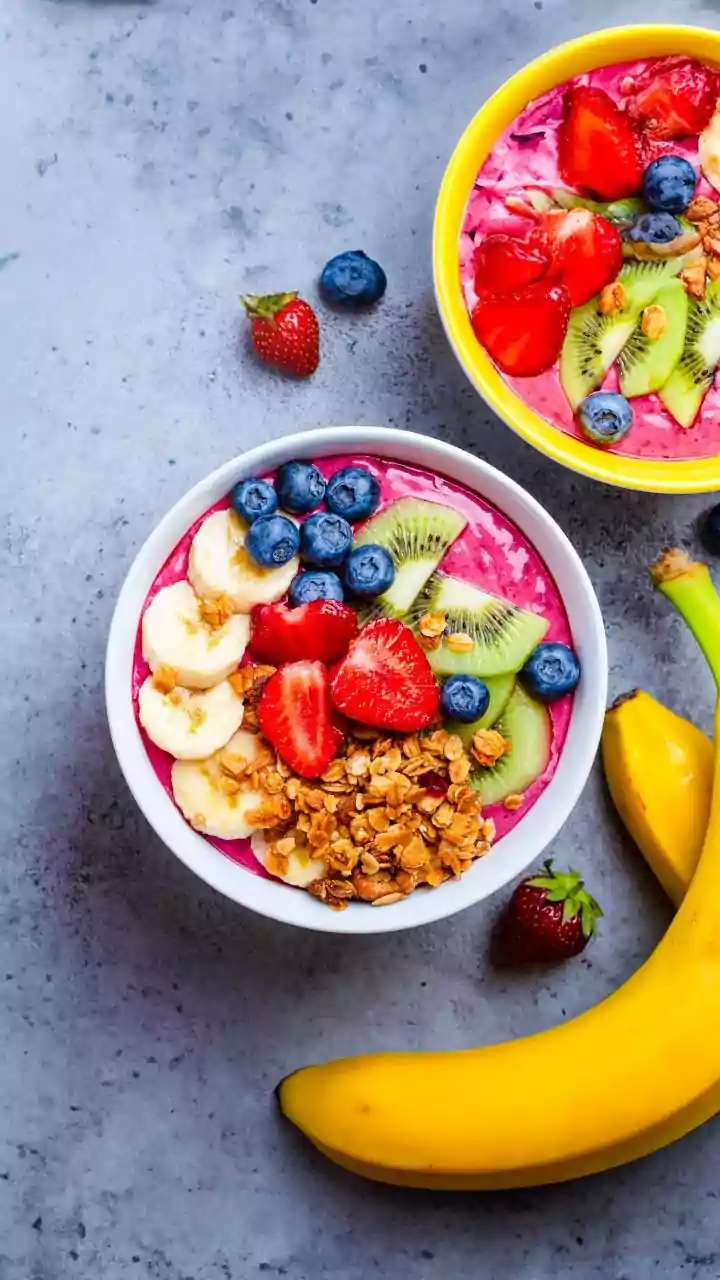
The good news is you don’t have to give up your lassi cravings. You just need to be smarter about how you satisfy them. The best option is to make it at home. This way, you have complete control over the ingredients. Use fresh, plain dahi and blend it with fruit like a ripe banana or mango for natural sweetness. If you need a little extra, a small drizzle of honey or a few dates can work wonders. If you're buying it, read the nutrition label carefully and opt for brands with the lowest sugar content. When ordering at a restaurant, don't be shy about asking for a version with no added sugar ('cheeni ছাড়া' or 'bina shakkar ka'). And perhaps, it’s time to reacquaint ourselves with the classic salted lassi—it’s just as refreshing and far better for you.