


The Rise of the ‘Grammable’ Coffee
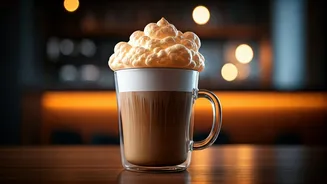
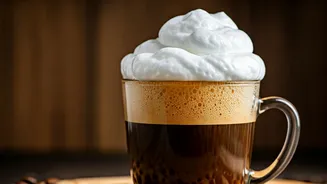
The new coffee order is all about visual and textural appeal. Think of the Dalgona coffee trend that swept across social media during the pandemic, a phenomenon that began in South Korea and quickly became a global sensation thanks to platforms like TikTok.
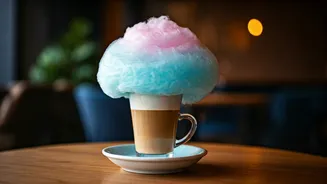
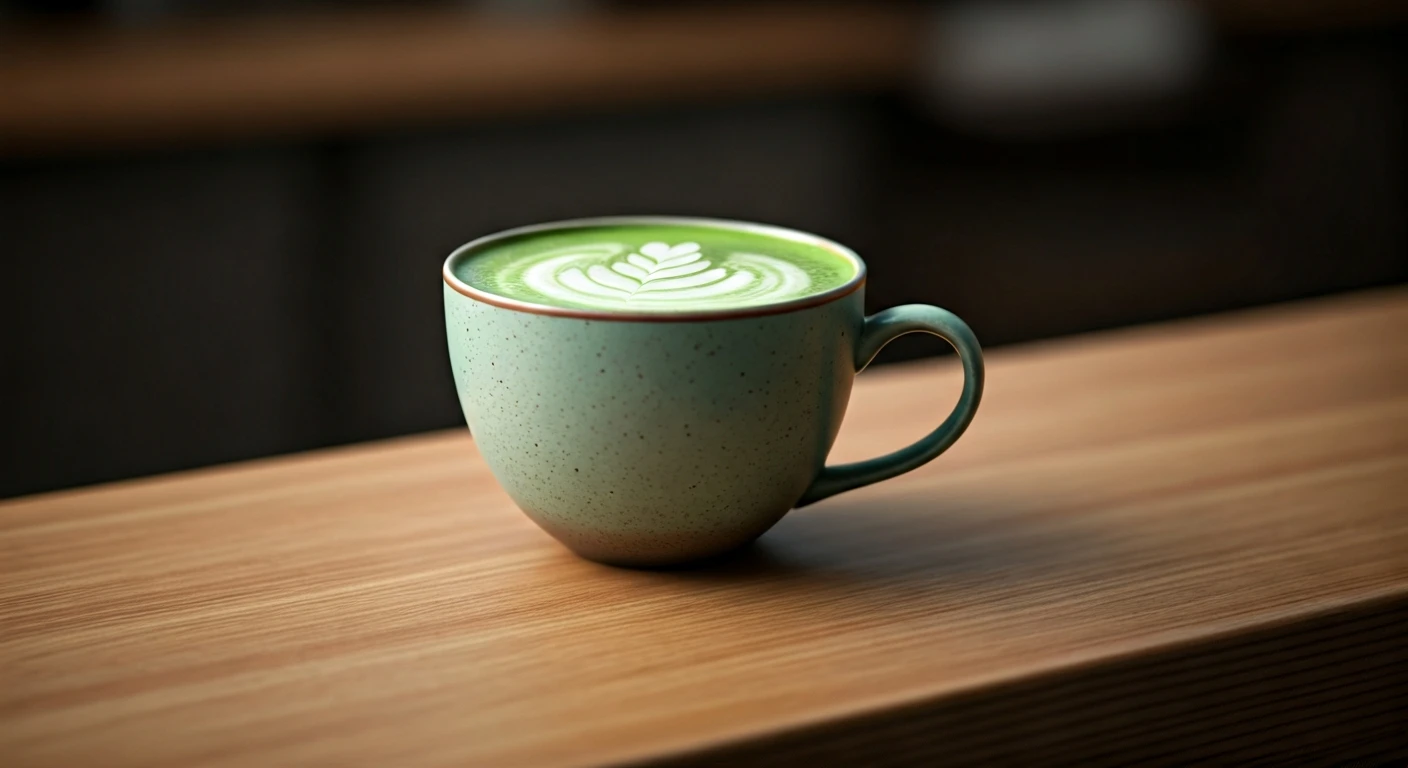
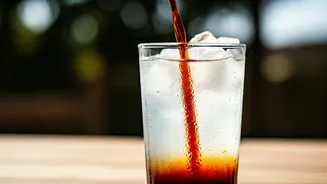
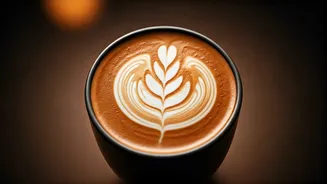
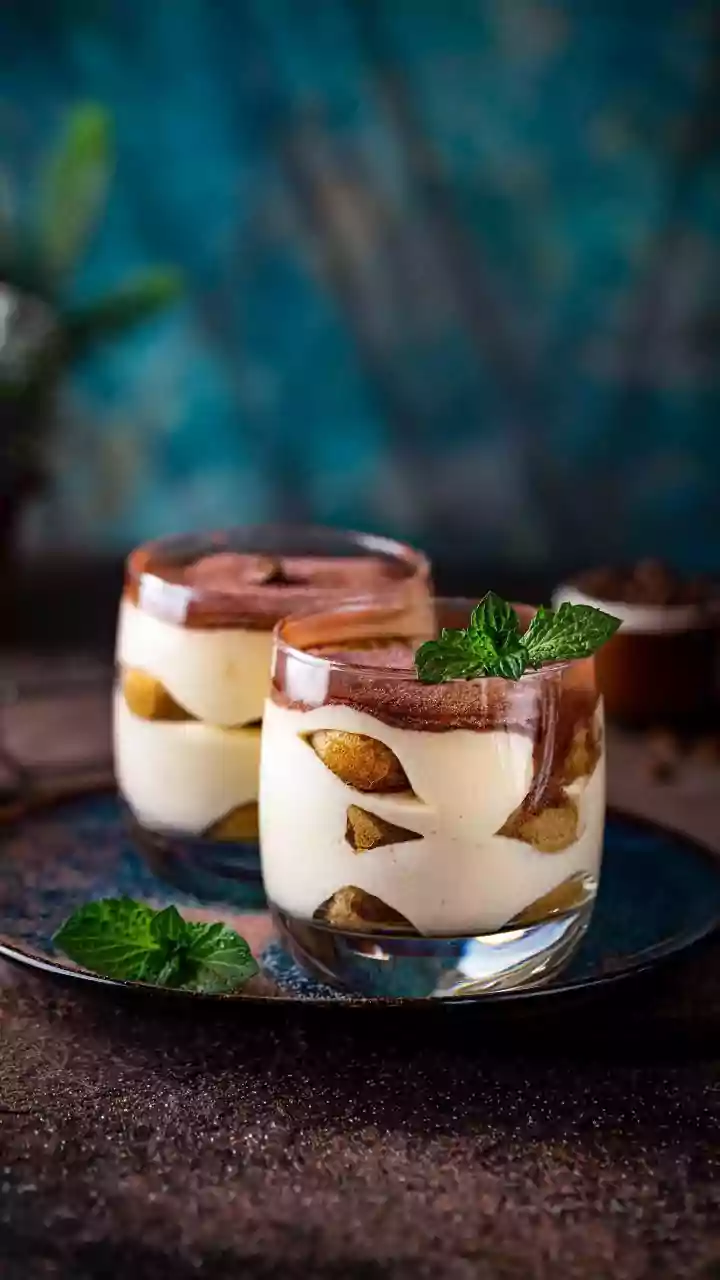
[13, 15] This 'whipped coffee', with its velvety, frothy topping, set the stage for a broader trend. [29] Today, it’s all about cold foams, flavoured syrups, and multi-layered drinks that are as much a feast for the eyes as they are for the palate. [18, 20] For Gen Z, coffee is no longer just a beverage; it’s an experience and a form of self-expression. [12, 24] This generation values aesthetics and customisation, and their coffee orders reflect that. [8, 9] The drink has to be “Instagrammable,” a perfect accessory for their social media feed. [4, 7]
It’s An Experience, Not Just A Drink
For many younger consumers, the functional benefit of coffee—a simple caffeine hit—is secondary to the overall experience. [20] They are part of an “experience economy,” seeking memorable and meaningful activities, and coffee culture fits right in. [8] This preference has transformed cafés into modern social hubs and aesthetic destinations. [4, 5] The trend is less about the purist pursuit of single-origin flavour profiles and more about creativity and indulgence. [9, 16] These drinks are often seen as a “little treat,” an affordable luxury that brightens the day. [18, 20] This has financial implications, too; a complex, multi-ingredient specialty latte sells at a much higher price point than a simple black coffee, incentivising cafes to innovate. [12, 16]
The Social Media Effect
It’s impossible to talk about Gen Z coffee trends without mentioning the immense influence of social media. [2] Platforms like TikTok and Instagram are not just where these trends are shared; they are where they are born. [3] The viral nature of Dalgona coffee showed how a simple, visually appealing recipe could dominate online conversations and drive real-world behaviour. [14, 15] Coffee influencers and user-generated content play a huge role in shaping what’s considered cool. [2, 7] A drink’s popularity can skyrocket overnight, turning a local café into a viral hotspot. [16] This has pushed coffee brands to become more visually creative and engage directly with their audience online, creating a feedback loop where trends evolve at a rapid pace. [3, 4]
So, What About Filter Coffee?
With all this talk of foam and flair, one might assume that traditional filter coffee is on its way out. The reality is more nuanced. While South Indian filter coffee has a rich cultural history and is even seeing a resurgence in specialty cafes, its perception is often tied to older generations and a more traditional, functional routine. [23, 25] For many in Gen Z, a simple black coffee can be seen as “boring.” [12] The preference for cold, customisable, and often sweeter drinks is a significant departure from the strong, milky filter coffee ritual. [9, 19] However, the Indian coffee market is growing across the board, with a rising interest in everything from artisanal beans to ready-to-drink cold brews. [27, 28] Rather than disappearing, filter coffee is finding its place within a much broader, more diverse coffee landscape. [21, 26]