

The Invisible Danger on Clean Floors
When you mop your floor, it might look and smell clean, but many conventional cleaning products leave behind an invisible film of chemicals. Even after the floor is completely dry, this residue remains. For pets who live their lives close to the ground,
this poses a unique risk. They walk across these surfaces, lie on them, and then groom their paws and fur, ingesting the chemicals directly. This constant, low-level exposure can be more dangerous than a one-time accident, as pets have a smaller body mass and a more sensitive respiratory system. According to the ASPCA, household cleaning products are a significant source of poison calls for pets.
Harmful Ingredients to Avoid
Many popular Indian household cleaners, including those with familiar strong 'disinfectant' smells, contain ingredients that are toxic to animals. Key chemicals to watch out for on labels include phenols, ammonia, bleach (chlorine), and formaldehyde. Phenols, often found in pine-scented and 'antibacterial' cleaners, are especially toxic to cats, as their livers cannot properly metabolize them, potentially leading to severe health issues. Ammonia can irritate the respiratory system, while bleach can cause chemical burns to sensitive paws and noses. Formaldehyde is a known carcinogen, and other chemicals like phthalates, often hidden in fragrances, can also be harmful.
Signs of Toxicity to Watch For
Exposure to these chemicals can happen through inhalation, skin contact, or ingestion, each with different symptoms. If your pet has ingested a toxic substance, you might observe drooling, vomiting, diarrhea, lethargy, or even seizures. Respiratory irritation from fumes can cause coughing, sneezing, and watery eyes. Skin contact with chemical residues may lead to redness, rashes, or blisters on their paws or belly. If you notice any of these signs, especially after a cleaning session, it is crucial to act quickly.
How to Choose a Pet-Safe Cleaner
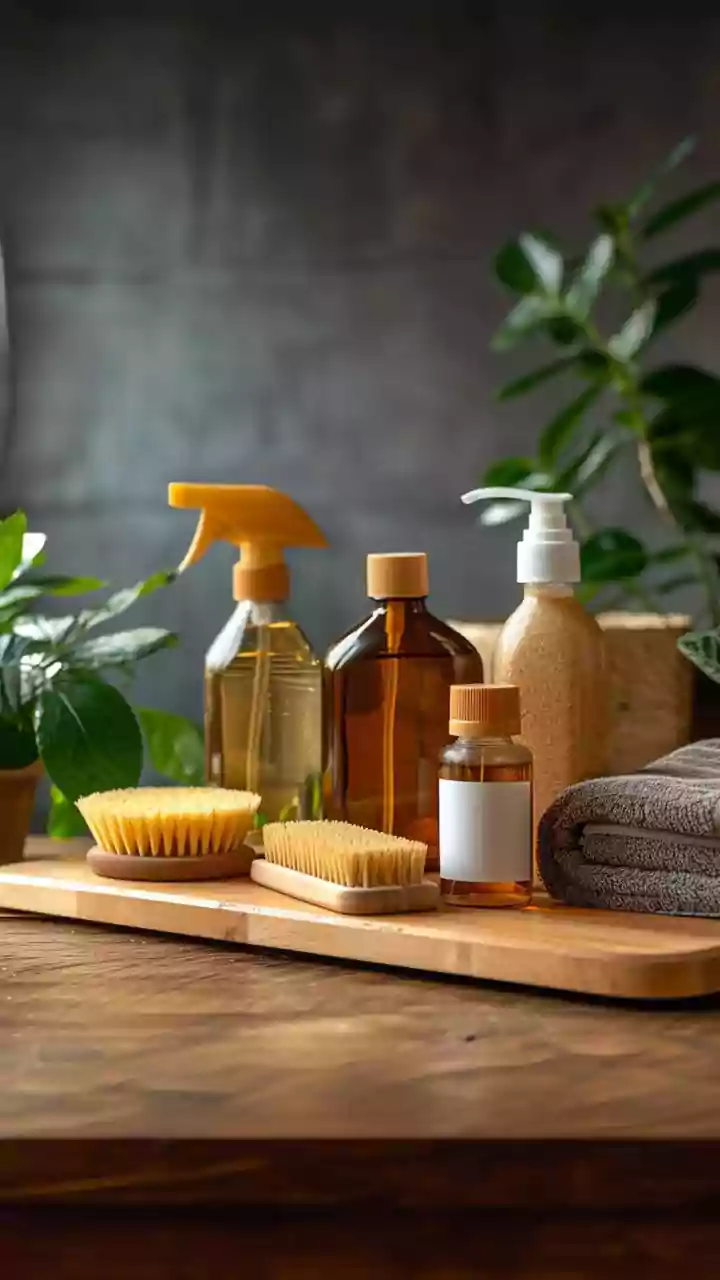
The good news is that many safe alternatives are available. When shopping, look for products explicitly labelled as 'pet-safe' and 'non-toxic'. Brands in India like Born Good, Koparo, and Unleash Wellness offer plant-based or bio-enzyme formulas free from harsh chemicals like phenols and bleach. Bio-enzyme cleaners are particularly effective as they use good bacteria to break down organic dirt and odours without leaving a toxic film. Always check the ingredient list and avoid vague terms like "fragrances," which can hide harmful phthalates. Remember that "natural" doesn't always mean safe, as some essential oils can be toxic to pets, especially cats.
Easy DIY Solutions for a Safer Home
You don't need to buy expensive products to keep your floors clean and your pets safe. Simple, homemade solutions can be very effective. A basic mixture of equal parts white vinegar and water is a great all-purpose cleaner for many floor types like tile and vinyl, though its acidity means it should be used cautiously on hardwood. This solution effectively cuts through grime and helps neutralise odours. For a gentle scrubbing paste, mix baking soda with a little water; this is great for spot-cleaning without harsh chemicals. Another safe option is adding a few drops of unscented, plant-based castile soap to a bucket of warm water.
Best Practices for a Pet-Friendly Clean
Beyond choosing the right products, adopting safer cleaning habits makes a big difference. Always keep pets out of the room while you are cleaning and don't let them back in until the floor is completely dry, which can take 10-30 minutes. Good ventilation is key, so open windows to help fumes dissipate quickly. After mopping with any cleaning solution, even a pet-safe one, consider doing a final rinse with plain water to remove any lingering residue. This simple extra step provides an added layer of safety. Finally, store all cleaning products, whether toxic or not, securely out of your pet's reach.