




The Purple Reign Returns
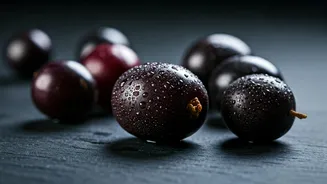
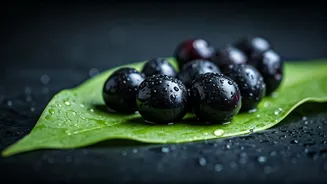
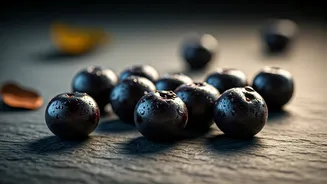
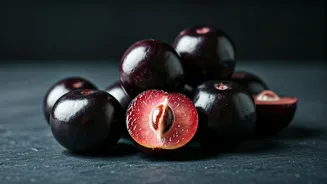
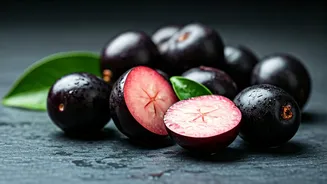
For generations of Indians, the Jamun (or black plum) is not just a fruit; it's a core memory. It’s the taste of school holidays, of purple-stained fingers and lips, of huddling with cousins to see who could spit the seed the farthest. Its unique flavour
profile—a sharp, astringent punch that mellows into a subtle sweetness—is unlike anything else. As soon as the first rains hit, cart vendors appear almost overnight, their baskets overflowing with these glossy, deep-purple jewels. This seasonal scarcity is part of its charm. You can’t have Jamun all year round, which makes its brief, glorious appearance a celebration in itself. It’s a taste of nostalgia, a reminder of simpler times, and a flavour that connects us directly to the Indian soil and seasons.
A Nutritional Powerhouse
While our childhood love for Jamun was pure, our adult appreciation can be a bit more informed. This is where the “better than ever” part of the story comes in. We now have the science to back up what our grandmothers knew all along: this fruit is a powerhouse of health benefits. Jamun is famously celebrated for its potential role in managing blood sugar levels. It contains compounds like jamboline and jambosine, which are believed to slow the rate at which sugar is released into the bloodstream. The fruit is low in calories but rich in essential nutrients, including Vitamin C, iron, magnesium, and antioxidants like anthocyanins, which give it its deep purple colour. These antioxidants help fight free radicals, supporting everything from skin health to overall immunity. It’s also packed with dietary fibre, making it great for digestion and promoting a feeling of fullness.
Beyond the Fruit Bowl
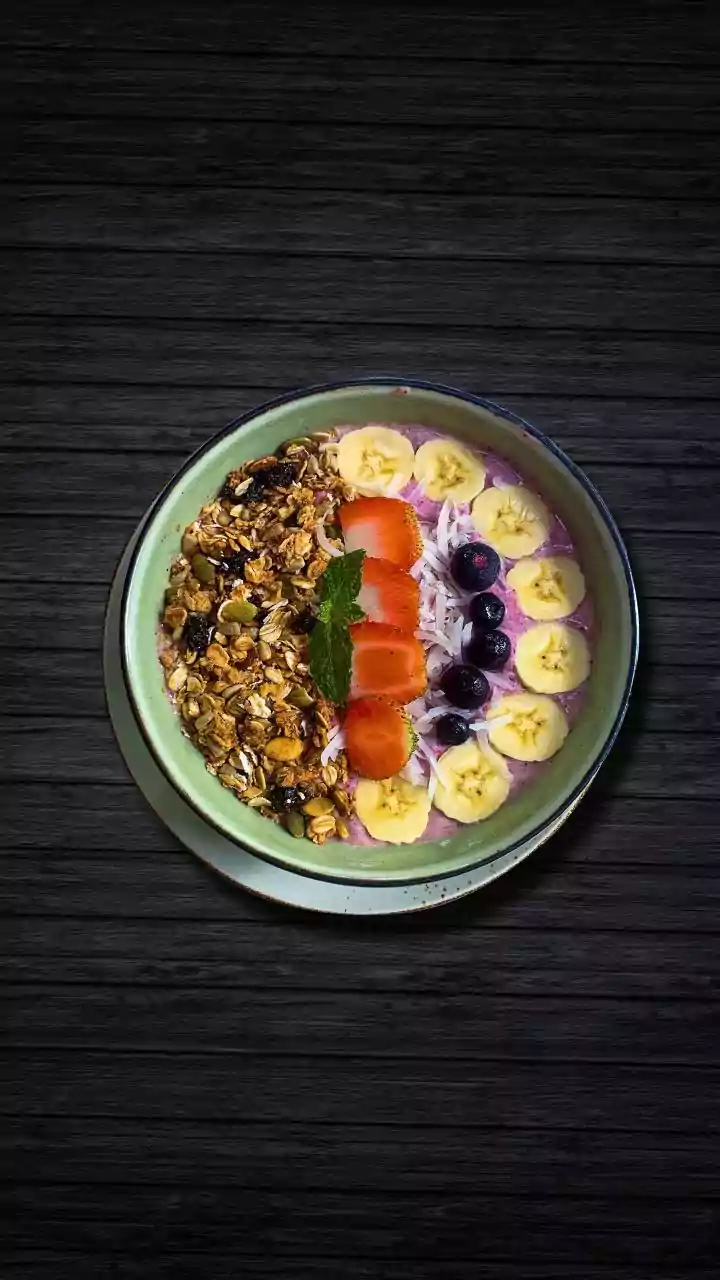
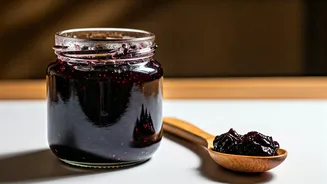
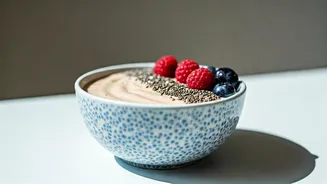
Perhaps the most exciting part of Jamun’s modern revival is its journey from a simple hand-to-mouth snack to a star ingredient in contemporary kitchens. Chefs and home cooks are embracing its complex flavour in innovative ways. The classic Jamun with a sprinkle of black salt is timeless, but have you tried a Jamun smoothie? Or a vibrant Jamun sorbet that’s both cooling and delicious? The fruit’s tartness makes it a fantastic base for salad dressings, marinades for grilled meats, and tangy sauces or 'chutneys'. You’ll find Jamun cheesecakes, panna cottas, and even cocktails like Jamun margaritas on trendy restaurant menus. The pulp can be frozen into ice cubes to add a splash of flavour to water or lemonade. This culinary creativity proves that Jamun is not just a relic of the past but a versatile ingredient with a bright future.
How to Pick and Store Perfectly
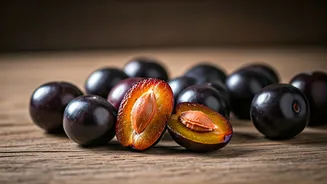
To make the most of the season, a little knowledge goes a long way. When buying Jamun, look for fruits that are plump, firm, and have a deep, uniform purple-black colour. Avoid any that look bruised, shrivelled, or have soft spots. Gently press one; it should have a slight give but not be mushy. Since they are highly perishable, it’s best to consume them within a day or two of purchase. Store them in the refrigerator, but bring them to room temperature before eating to enjoy their full flavour. Wash them thoroughly under running water just before you plan to eat them. If you’ve bought more than you can eat, you can easily de-seed and freeze the pulp in an airtight container for later use in smoothies or desserts.