



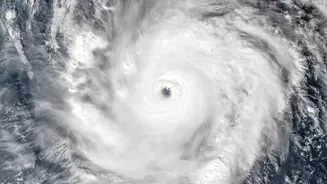
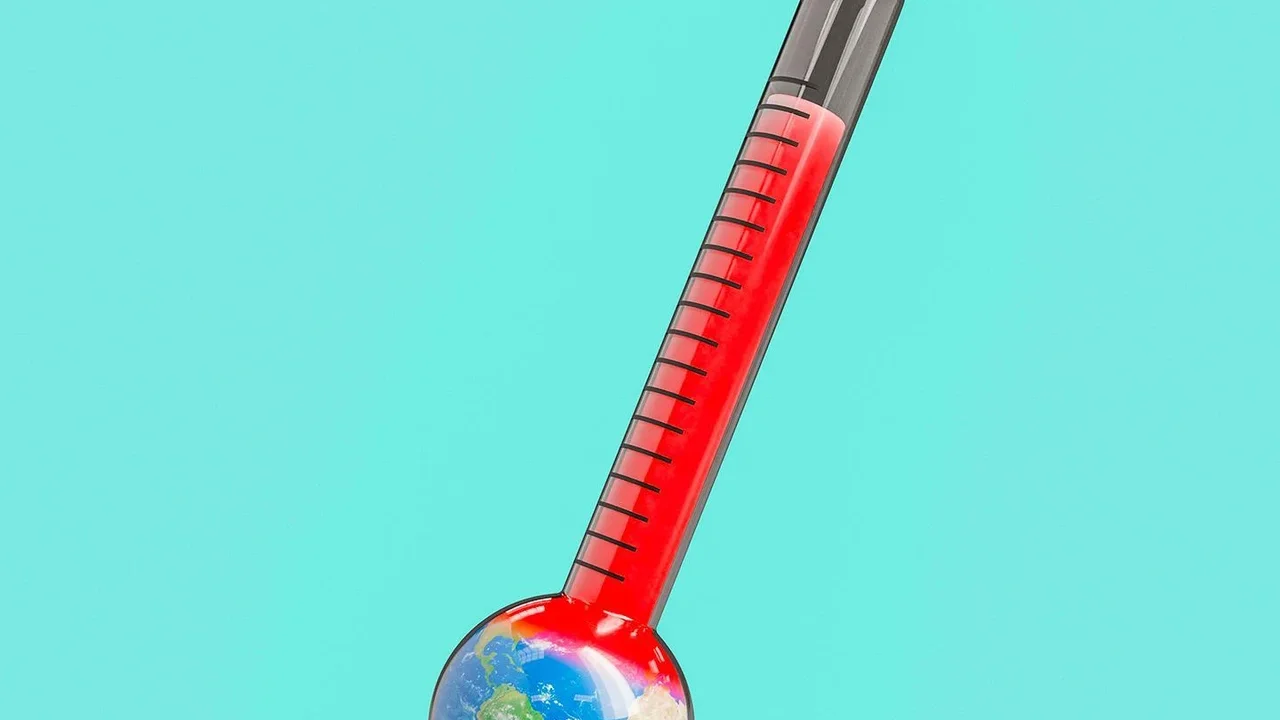
A powerful El Niño is gaining strength in the Pacific Ocean, and meteorologists are warning it could become one of the strongest on record. This major climate event is already shifting weather patterns and is expected to unleash extremes across the globe.
What Exactly Is El Niño?
El Niño is a natural, recurring climate pattern characterized by the abnormal warming of sea surface temperatures in the central and eastern equatorial Pacific Ocean. This warming is part of a larger cycle called the El Niño-Southern Oscillation (ENSO). Think of it as a massive release of heat from the ocean into the atmosphere, which disrupts typical air circulation patterns. These disruptions are so significant that they can alter weather worldwide, influencing everything from rainfall in India to hurricane seasons in the Atlantic. El Niño events happen every two to seven years and can last for many months, with their impacts often felt most strongly in the year after they develop.
How Strong Is This El Niño?
Current forecasts from global agencies like the World Meteorological Organization (WMO) and the India Meteorological Department (IMD) indicate the 2026-27 El Niño is not just strong, but could be a 'super' El Niño. This informal term is used for the most intense events. The WMO has confirmed that this El Niño, which began developing in June 2026, is expected to peak in strength around December 2026 and persist well into early 2027. Projections suggest sea surface temperatures in the key Pacific region could be significantly above normal, a sign of a very powerful event that has drawn comparisons to the historic El Niños of 1997-98 and 1982-83.
A Warmer and Wetter Winter for North India
For India, the immediate focus is on the winter. A recent report from the International Centre for Integrated Mountain Development (ICIMOD) forecasts a warmer and wetter winter for much of the Hindu Kush Himalaya region from November 2026 to February 2027. This translates to predictions of above-normal temperatures and heavier-than-average snowfall for northern Indian states like Himachal Pradesh. While this might replenish some water sources, the combination of higher temperatures and heavy precipitation also elevates the risk of avalanches, landslides, and localized flooding in vulnerable mountain areas.
Contrasting Conditions in the South
The picture for southern India is different and somewhat surprising. El Niño events typically bring increased rainfall to the south during the post-monsoon season. However, the IMD has forecast below-normal rainfall for most of the country between October and December 2026. This could put pressure on water resources and winter crops, particularly in rainfed agricultural regions. The IMD has noted that while strong El Niño conditions will persist, their intensity may start to decline after December, which could influence weather patterns in early 2027.
The Impact on the Monsoon and Beyond
Historically, strong El Niño events have been linked to weaker southwest monsoons in India, which are vital for the country's agriculture and economy. The 2026 monsoon already ended with a significant rainfall deficit. The lingering effects of a powerful El Niño into 2027 raise concerns about the next monsoon season. However, the relationship isn't always straightforward. Other climate factors, like the Indian Ocean Dipole (IOD), can sometimes counteract El Niño's drying effect. In fact, some early models suggest a potential transition to La Niña (El Niño's cooler counterpart) by the time the 2027 monsoon arrives, which could bring more rain.
Global Disruptions and Economic Risks
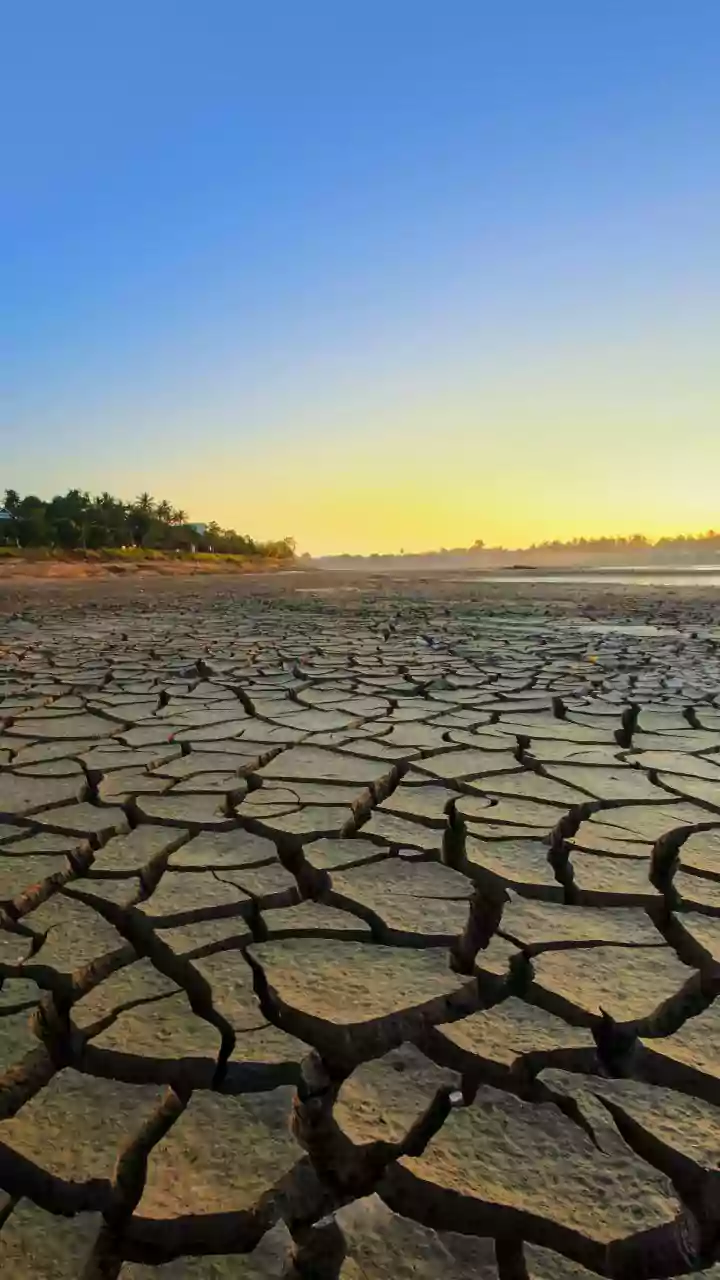
Globally, the impacts are already being felt. Nations like Fiji and Tonga have declared drought crises. The phenomenon is associated with a wide range of extremes, including droughts in Australia and southern Africa, and heavy rainfall in parts of South America and East Africa. These disruptions pose a significant threat to agriculture, water supplies, and food security worldwide, leading to economic risks. Some analysts estimate that a powerful El Niño could negatively impact global GDP. The combination of this natural climate pattern with background warming from climate change is supercharging weather events and setting new temperature records.