









1. Beware of Electrical Hazards
Water and electricity are a deadly combination. During heavy rains, the risk of electrocution rises significantly due to waterlogging and fallen power lines. Never touch snapped electrical wires or poles. Report them immediately to your local electricity board.
Avoid walking through deep puddles, especially in urban areas where submerged live wires could be hidden. At home, ensure your wiring is properly insulated and get any faulty switches or sockets repaired before the season starts. Unplug non-essential appliances during a thunderstorm to protect them from power surges.
2. Drive with Extreme Caution
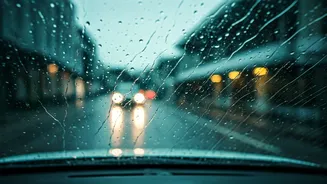
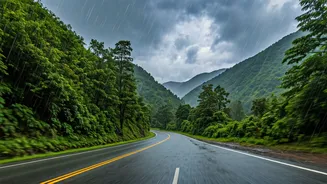
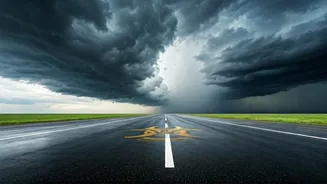
Roads become treacherous during a downpour. Reduced visibility and slippery surfaces cause countless accidents. Slow down and maintain a greater distance from the vehicle in front of you. Avoid sudden braking, which can cause your vehicle to skid or hydroplane. Ensure your car’s tyres, wipers, and headlights are in perfect working condition. If you have to drive through a waterlogged area, gauge its depth first. If the water level reaches the middle of your tyres, it's safer to turn back. Driving through deep water can cause your engine to stall and lead to expensive damage.
3. Watch Your Step When Walking
Walking on flooded streets is fraught with risk. The biggest danger is open or damaged manholes, which become invisible under murky water. Stick to familiar paths if you must go out. Use a sturdy stick to probe the ground in front of you when walking through waterlogged areas. Wear robust, non-slip footwear with good grip. Avoid walking barefoot, as it exposes you to cuts, infections, and dangerous objects hidden beneath the water.
4. Drink Only Safe, Purified Water
The monsoon season is notorious for a spike in water-borne diseases like cholera, typhoid, and jaundice. This is because rainwater can contaminate public water sources and supply pipes. To stay safe, drink only boiled, filtered, or purified water. Avoid drinking tap water directly. When outside, carry your own water bottle or stick to reliable bottled water. Be wary of ice added to drinks at restaurants and street stalls, as it’s often made from unsafe tap water.
5. Protect Yourself from Mosquitoes
Stagnant water creates the perfect breeding ground for mosquitoes, leading to a rise in vector-borne diseases like dengue, malaria, and chikungunya. Do not let water collect in or around your home. Regularly empty coolers, flowerpot saucers, and any other containers. Use mosquito repellents, wear long-sleeved clothing, especially during dawn and dusk, and sleep under a mosquito net if possible. Keeping your surroundings clean and dry is your best defence.
6. Prepare an Emergency Kit
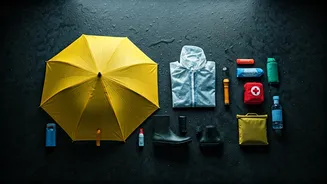
Power cuts and disruptions to supply chains are common during severe weather. It’s wise to have an emergency kit ready. This should include a torch with extra batteries, a power bank for your phone, a basic first-aid kit, essential medications, and some non-perishable food items like biscuits and energy bars. Keep important documents in a waterproof bag. Having these items on hand can make a difficult situation much more manageable.
7. Secure Your Home
Before the monsoon hits its peak, do a quick check of your home. Ensure your windows and doors close properly to prevent water from seeping in. Check for any cracks in the walls or roof and get them repaired. If you have a balcony, secure any loose items like pots or furniture that could be blown away by strong winds. Clear out clogged drains and gutters on your roof or terrace to prevent water accumulation and leakages.
8. Stay Informed with Weather Alerts
Knowledge is power. Keep yourself updated on weather forecasts and warnings issued by official bodies like the India Meteorological Department (IMD). Use reliable weather apps on your smartphone or follow official social media handles for real-time alerts about heavy rainfall, cyclones, or flooding in your area. This information can help you plan your travel and take necessary precautions in advance.
9. Be Cautious About Street Food
While a hot plate of pakoras on a rainy day is tempting, be extra careful about street food during the monsoon. High humidity allows bacteria to multiply faster, and the water used for cooking or washing may be contaminated. This increases the risk of food poisoning and stomach infections. If you must indulge, choose vendors that maintain high standards of hygiene. It’s generally safer to enjoy freshly cooked, hot food at home.
10. Know Basic First-Aid
Minor injuries and common colds are frequent during this season. A well-stocked first-aid kit should contain antiseptic liquid, bandages, pain relievers, and medication for fever and diarrhoea. For fungal infections, which are common due to dampness, have an anti-fungal powder or cream handy. Knowing how to manage these minor health issues at home can prevent them from becoming more serious.