




1. Garam Masala: The Warm Heart of India
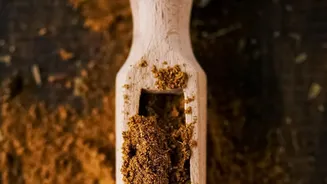
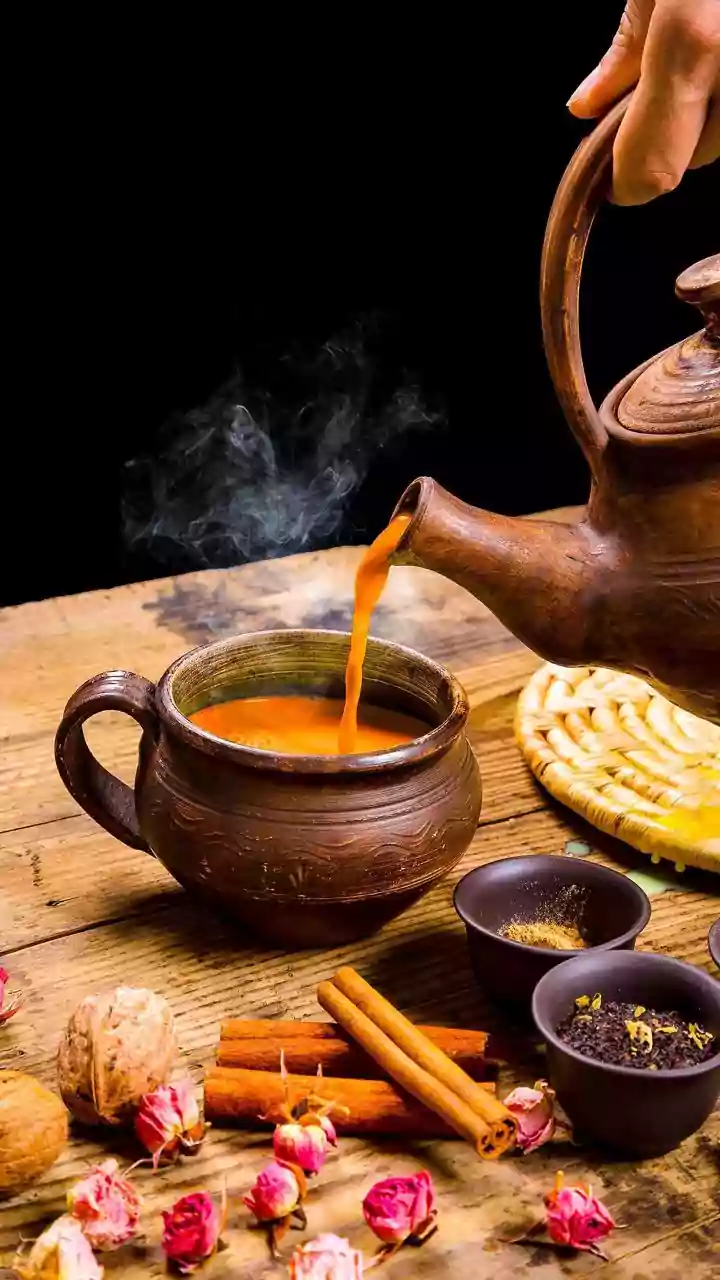
Garam Masala, translating to 'warm spices', is fundamental to North Indian cooking. Unlike spice powders used to build a curry base, it's typically a finishing blend, added near the end of cooking or sprinkled over a dish to preserve its potent aroma.
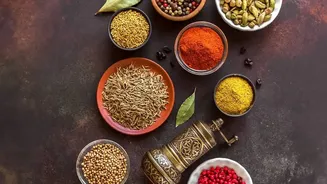
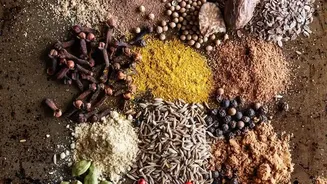
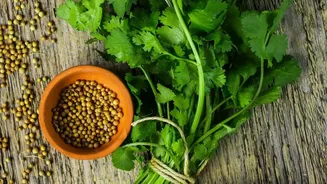
There's no single recipe, as every family has its own version. However, most blends revolve around a core of warming spices: cinnamon or cassia, cloves, black peppercorns, and cardamom are common. Earthy notes from cumin and coriander often provide a savoury foundation. The 'heat' in Garam Masala is not from chillies but from the Ayurvedic warming properties of its components, which create a complex, aromatic warmth rather than a fiery burn. Add a pinch to your dal, sprinkle it over roasted vegetables, or mix it with yoghurt for a simple marinade to understand its power.
2. Chinese Five-Spice: A Study in Balance
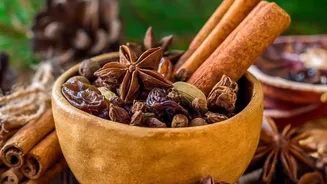
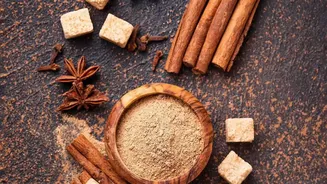
Chinese Five-Spice powder is a masterful blend rooted in the philosophy of balancing the five essential flavours: sweet, sour, bitter, salty, and pungent or umami. The classic combination includes star anise, cloves, Chinese cinnamon (cassia), Sichuan peppercorns, and fennel seeds. Star anise provides a dominant sweet, licorice-like note, balanced by the warm bitterness of cloves and the pungency of cassia. Fennel seeds add to the sweetness, while Sichuan peppercorns contribute their unique, mouth-numbing tingle known as 'málà'. This blend is particularly effective with fatty meats like pork and duck, as its potent aromatics cut through the richness. A little goes a long way; use it as a dry rub for roasted meats, or add a small amount to marinades and braises to introduce a deeply complex and savoury-sweet flavour.
3. Ras el Hanout: The Best of the Souk
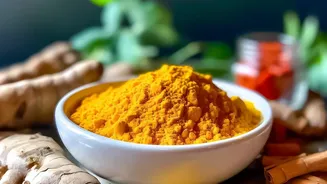
Meaning 'head of the shop' in Arabic, Ras el Hanout is a complex and aromatic blend from North Africa, particularly Morocco. It traditionally represented the best spices a merchant had to offer, with some versions containing dozens of ingredients. There is no fixed recipe. Common components include cumin, coriander, cinnamon, ginger, turmeric, and black pepper, but what makes it unique are the floral and sweet notes. Many blends include fragrant additions like rose petals and lavender, alongside warming spices like nutmeg, allspice, and cardamom. The result is a wonderfully layered flavour that is warm, earthy, and sweet, but typically not fiery hot. It is the signature flavour of Moroccan tagines, slow-cooked stews of lamb or chicken with fruits and nuts, and is also excellent as a rub for grilled meats or stirred into couscous.
4. Herbes de Provence: The Scent of Southern France
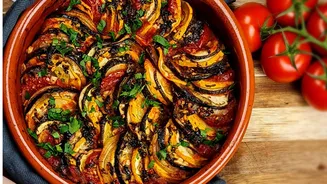
Shifting from seed and bark-based blends, Herbes de Provence captures the fragrant, sun-drenched hillsides of southeastern France. This is a mix of dried herbs, not pungent spices. While historically a general term for herbs from the region, modern blends typically centre on thyme, rosemary, savory, and oregano. Marjoram, basil, and bay leaf are also common additions. Unlike the other blends on this list, its profile is savoury, piney, and floral rather than warm or sweet. Rosemary and thyme provide a robust, woody backbone, while oregano and savory add peppery and minty notes. It's incredibly versatile, perfect for rubbing on chicken or lamb before roasting, tossing with vegetables and olive oil, or stirring into tomato-based stews like ratatouille.
5. Berbere: The Fire of Ethiopia
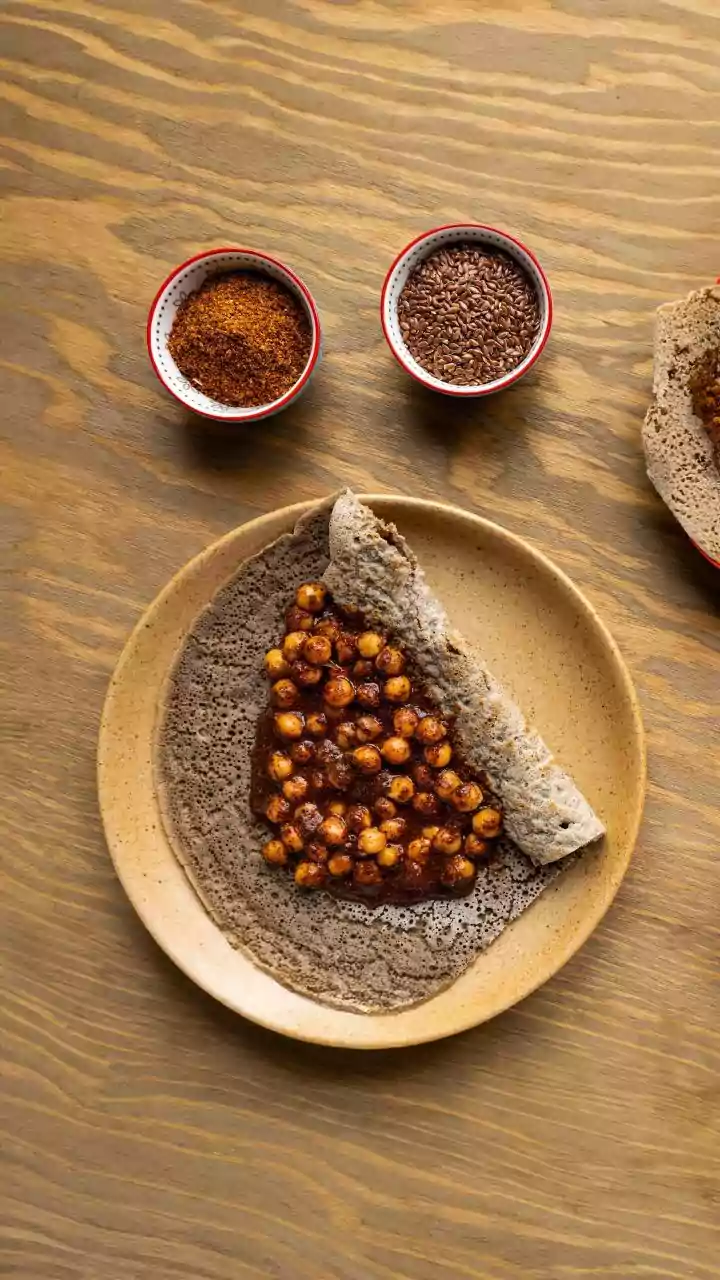
Berbere is the quintessential spice blend of Ethiopian and Eritrean cuisine, and its name in Amharic means 'hot'. It is a vibrant, deep-red powder that forms the flavour base for many national dishes, most notably the famous chicken stew 'Doro Wat'. Its foundation is a generous amount of dried red chillies, which provide significant heat and colour. But Berbere is much more than just chilli powder. Its complexity comes from a host of aromatic spices, including fenugreek, cardamom, cumin, cloves, allspice, and ginger. Fenugreek gives it a unique, slightly bitter and sweet undertone, while cardamom adds a fragrant lift. The final flavour is fiery, complex, and deeply savoury. It's used not as a finishing spice but as a core ingredient, often bloomed in oil with onions at the start of cooking to build a profound depth of flavour.