






Decode Official Weather Warnings
The first step in planning is to understand the official advisories from the India Meteorological Department (IMD). The IMD uses a colour-coded system to communicate the severity of expected weather. A 'Green' alert means no advisory is needed. A 'Yellow'
alert means you should be aware, as weather conditions could worsen and cause disruptions. An 'Orange' alert signals you to be prepared for potentially significant disruptions to transport and power. The highest level is a 'Red' alert, which means 'Take Action'. This indicates a forecast for extremely severe weather that poses a risk to life and is likely to cause widespread damage and disruption. These alerts, especially for rainfall, are based on the expected volume, with a red alert being issued for rainfall predicted to exceed 204.5 mm in 24 hours. Always check for district-level alerts rather than just state-level forecasts for a more accurate picture.
Assess Your Destination's Vulnerability
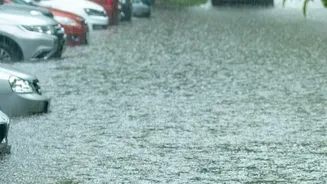
Not all destinations are affected equally by heavy rain. Hilly and mountainous regions in areas like the Himalayas are particularly susceptible to landslides and flash floods during the monsoon. Before travelling to such areas, it's wise to check for any landslide warnings or road closures. The Geological Survey of India (GSI) is the nodal agency for landslide studies, and their information can be crucial. Coastal areas, especially along the Bay of Bengal, are prone to cyclones and flooding. Low-lying areas and cities with known drainage issues can experience severe waterlogging, which can bring all transport to a halt. Research your specific destination's history with monsoon weather. Avoid places known for recurring floods or landslides during periods of heavy rain alerts.
Look Beyond the Forecast
A weather forecast provides a general outlook, but on-the-ground conditions can change rapidly. Before and during your trip, seek out local information. Contact your hotel or local hosts to ask about the current situation, road accessibility, and any specific local warnings. National and local disaster management authorities often issue specific travel advisories; the National Disaster Management Authority (NDMA) advises the public to remain vigilant and avoid unnecessary travel to flood-prone areas during alerts. Check for real-time traffic updates and news reports about your route and destination. Fallen trees, waterlogged roads, or landslides can close routes for hours or even days, so having a flexible itinerary is essential.
Pack a Monsoon Emergency Kit
Smart packing can make a huge difference if you encounter unexpected weather. Your kit should focus on staying dry, healthy, and connected. Essentials include a lightweight raincoat or poncho, an umbrella, and waterproof footwear with good grip. Pack quick-drying clothes instead of heavy cottons or denim. To protect your valuables, use a waterproof backpack or at least keep electronics, documents, and wallets in sealed plastic or dry bags. A well-stocked first-aid kit with basic medications, antiseptics, and insect repellent is crucial, as stagnant water can lead to a rise in mosquito-borne illnesses. Finally, always carry a fully charged power bank, as power cuts are common during heavy storms.
Know When to Postpone or Cancel
Ultimately, the most important part of your assessment is prioritising safety. If a 'Red' or 'Orange' alert is issued for your destination, seriously consider postponing your trip. Driving at night or through flooded streets is extremely dangerous, as floodwater can hide potholes or damage and even sweep a vehicle away. If authorities advise against travel, it is best to listen. While disappointing, delaying a holiday is always better than risking your safety. Many hotels and transport providers offer more flexible booking policies during severe weather events, so check their cancellation or rescheduling options in advance. A safe trip is a happy trip, and sometimes the most sensible decision is to wait for clearer skies.