







The 'Proof of Funds' Requirement
Thai immigration law requires tourists to demonstrate they have sufficient funds to support themselves during their stay. While this rule has existed for years, recent advisories indicate that enforcement is becoming more common. For Indian travellers,
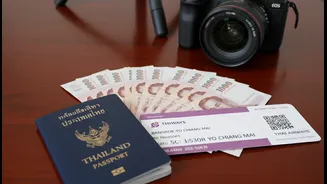
this often comes up during random checks at the airport immigration counter. The key is that authorities may ask to see these funds in cash. The specific amount varies based on your visa type. For those entering under a visa exemption or obtaining a Visa on Arrival (VoA), the requirement is typically 10,000 Thai Baht (THB) per person or 20,000 THB per family. For those with a pre-arranged tourist visa, the amount increases to 20,000 THB per person or 40,000 THB per family.
Why Cash Is King
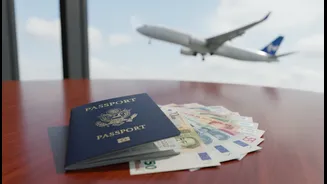
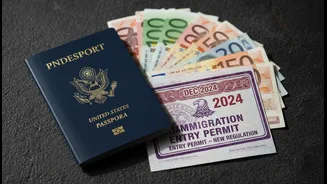
While some travellers report that immigration officers may accept a glance at a banking app or a credit card, official guidance and anecdotal evidence strongly suggest that carrying physical cash is the safest approach. Immigration officers are entitled to request proof in the form of banknotes, and not being able to produce them could lead to delays or, in worst-case scenarios, denial of entry. The funds do not have to be exclusively in Thai Baht; equivalent amounts in major foreign currencies like US Dollars or Euros are generally accepted. The purpose of this rule is to ensure that visitors are genuine tourists who can afford their trip without resorting to working illegally.
How Checks Are Conducted
It is important to understand that not every traveller will be asked to show their funds. The checks are performed at the discretion of the immigration officer at the port of entry. However, a recent advisory from the Embassy of India in Bangkok highlighted this requirement, suggesting increased vigilance. Travellers may be more likely to be checked if they have made frequent trips to Thailand recently, do not have a confirmed return ticket, or if their travel documents appear incomplete. Relying on the hope that you will not be checked is a risky strategy. Having the required cash ready, even if you do not get asked for it, is the best way to ensure a stress-free arrival.
A Complete Document Checklist
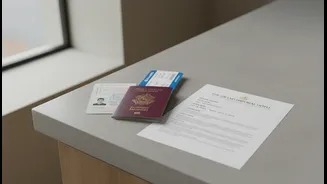
The proof of funds rule is just one part of being prepared for Thai immigration. To ensure a smooth process, travellers should have a complete set of documents ready. According to a recent 11-point advisory, this includes: a passport with at least six months of validity from your arrival date, confirmed return flight tickets, and proof of accommodation for your entire stay. Additionally, all travellers must now complete the Thailand Digital Arrival Card (TDAC) online within 72 hours before arriving. Keeping printouts or easily accessible digital copies of your hotel bookings, return tickets, and your TDAC QR code will help you answer any questions from officials promptly.
Practical Steps Before You Fly
To comply with the entry requirements and avoid any last-minute issues, take these simple steps. First, check the latest official rules on the Royal Thai Embassy website before your departure, as regulations can change. Second, plan to carry the required amount of cash. You can exchange a portion into Thai Baht in India or carry a major currency like USD to exchange upon arrival in Thailand. For safety, do not carry all your cash in one place; split it between your carry-on luggage and a secure money belt. Finally, organise all your documents—passport, tickets, hotel confirmations, and TDAC—in a folder for easy access at the immigration counter. Preparation is the key to starting your Thai adventure on the right foot.