



Prioritise Health and Hygiene
The monsoon brings relief from the heat, but it also creates a breeding ground for germs and mosquitoes. Water-borne diseases like cholera and typhoid, along with vector-borne illnesses like dengue and malaria, see a spike during this season. Your first
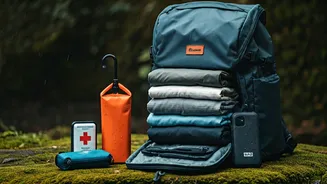
line of defence is caution. Drink only bottled, boiled, or properly filtered water. Avoid street food that might be prepared with contaminated water, especially juices, chutneys, and anything uncooked. Carry a basic first-aid kit with essentials like antiseptic wipes, bandages, pain relievers, and medication for stomach upsets. A strong insect repellent is non-negotiable, especially in the evenings and in areas with stagnant water. Applying it diligently can be the difference between a pleasant trip and a week of post-vacation misery.
Pack for Practicality, Not Perfection
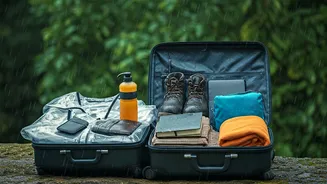
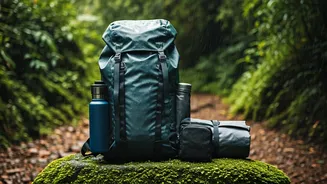
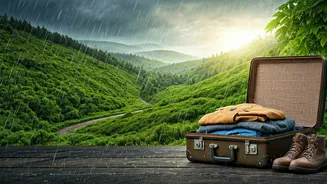
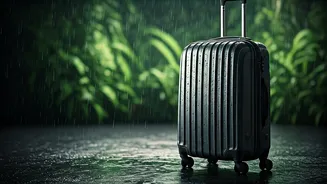
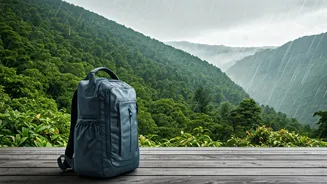
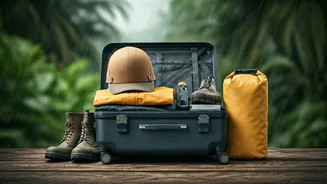
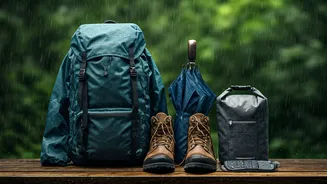
Your wardrobe choices can make or break a monsoon trip. While a stylish trench coat looks great, prioritise function. Pack lightweight, quick-drying synthetic fabrics like polyester or nylon instead of cotton, which takes forever to dry and feels heavy when damp. Instead of one heavy raincoat, consider a light, foldable one that you can carry everywhere. The most crucial item is your footwear. Leave the leather shoes and flimsy flip-flops at home. Opt for rubber sandals, floaters, or waterproof hiking boots with good grip to navigate slippery paths and puddles. It’s also wise to carry a few extra pairs of socks. Finally, invest in a waterproof backpack or use dry bags inside your regular bag to protect your electronics, wallet, and important documents from a sudden downpour.
Choose Your Destination Wisely
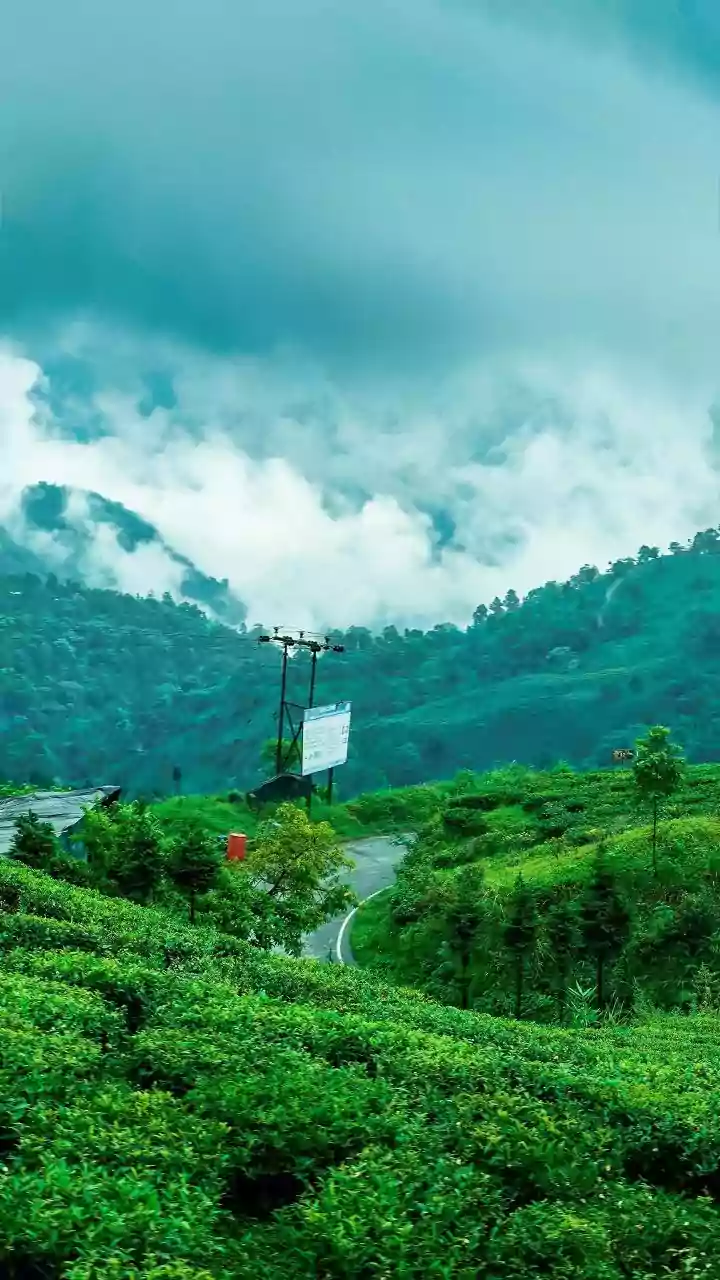
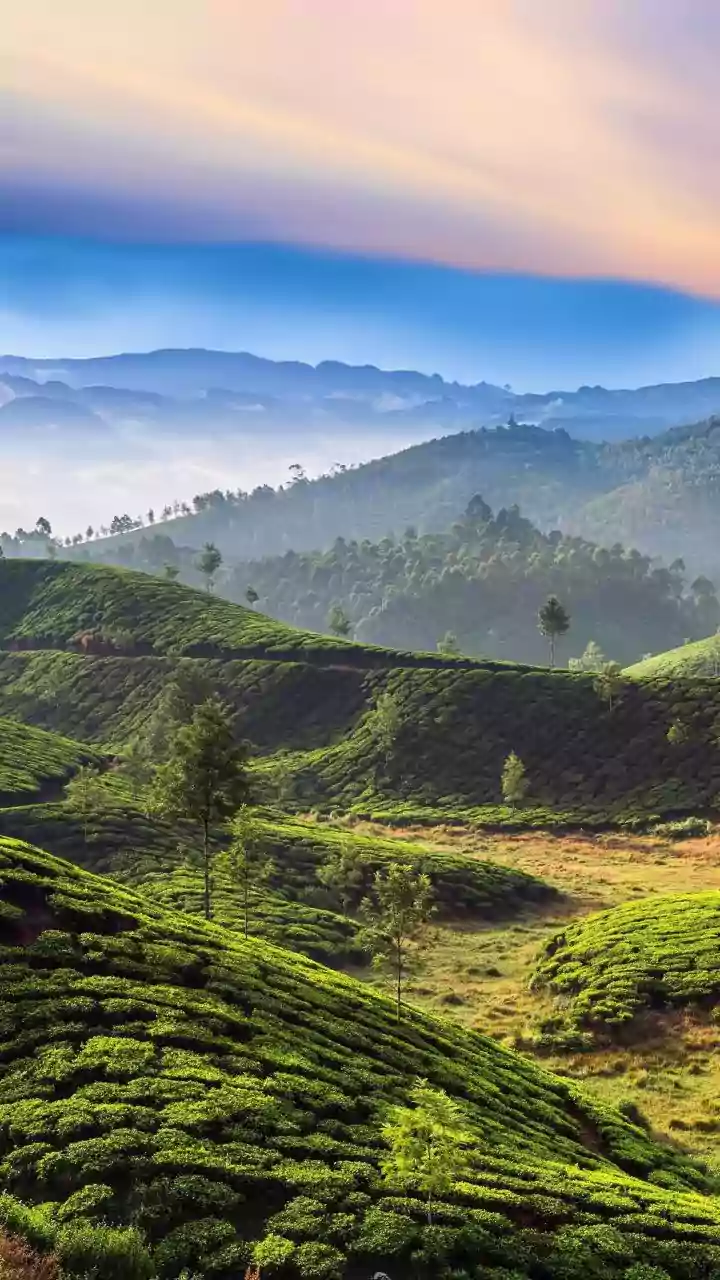
Not all destinations are created equal during the monsoon. While places like the Western Ghats (Lonavala, Mahabaleshwar), parts of Rajasthan (Udaipur), and hill stations in the south (Munnar, Coorg) are stunning, many mountain regions in the north, particularly in Himachal Pradesh and Uttarakhand, become high-risk zones. Landslides and flash floods are a serious and recurring danger, leading to road closures that can leave you stranded for days. Before booking, research the specific risks associated with your chosen location. Check weather forecasts and local news reports for any advisories. Opt for destinations that are known to be safe and accessible during this season. A rain-washed city trip or a stay at a wellness retreat can often be a safer and more relaxing alternative to a treacherous mountain trek.
Embrace a Flexible Itinerary
The monsoon is unpredictable. A day of planned sightseeing can be easily washed out by a relentless downpour. The key is to build flexibility into your schedule. Don’t cram your itinerary with back-to-back outdoor activities. Instead, embrace the concept of slow travel. Plan for buffer days. Have a list of indoor alternatives, like visiting a local museum, trying a cooking class, or simply enjoying a book from the balcony of your hotel. A monsoon trip is the perfect excuse to slow down. The goal isn’t to tick off a list of sights but to soak in the atmosphere. Some of the best memories are made while watching the rain fall, sipping a hot beverage, and doing absolutely nothing.
Road Trip Realities and Precautions
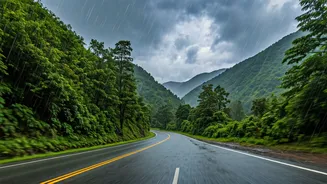
Driving through misty, rain-drenched landscapes is a romantic idea, but it requires extreme caution. Visibility can drop to near-zero in minutes, and roads, especially in hilly or rural areas, can be in poor condition and riddled with potholes hidden by water. If you are planning a road trip, ensure your vehicle is in top condition. Check your tyres, brakes, and wipers before you leave. Drive slowly, maintain a safe distance from the vehicle ahead, and avoid driving after dark if possible. Always keep an emergency kit in your car with a torch, extra food, water, and a power bank. Before you set off, inform someone of your route and estimated time of arrival. And most importantly, if the conditions seem too dangerous, do not hesitate to pull over and wait for the weather to clear.