





The Monsoon Health Minefield
As the first rains drench the parched earth, a collective sigh of relief sweeps across India. The season of chai, pakoras, and lush greenery is finally here. However, the monsoon also brings a spike in water-borne and food-borne illnesses. The high humidity
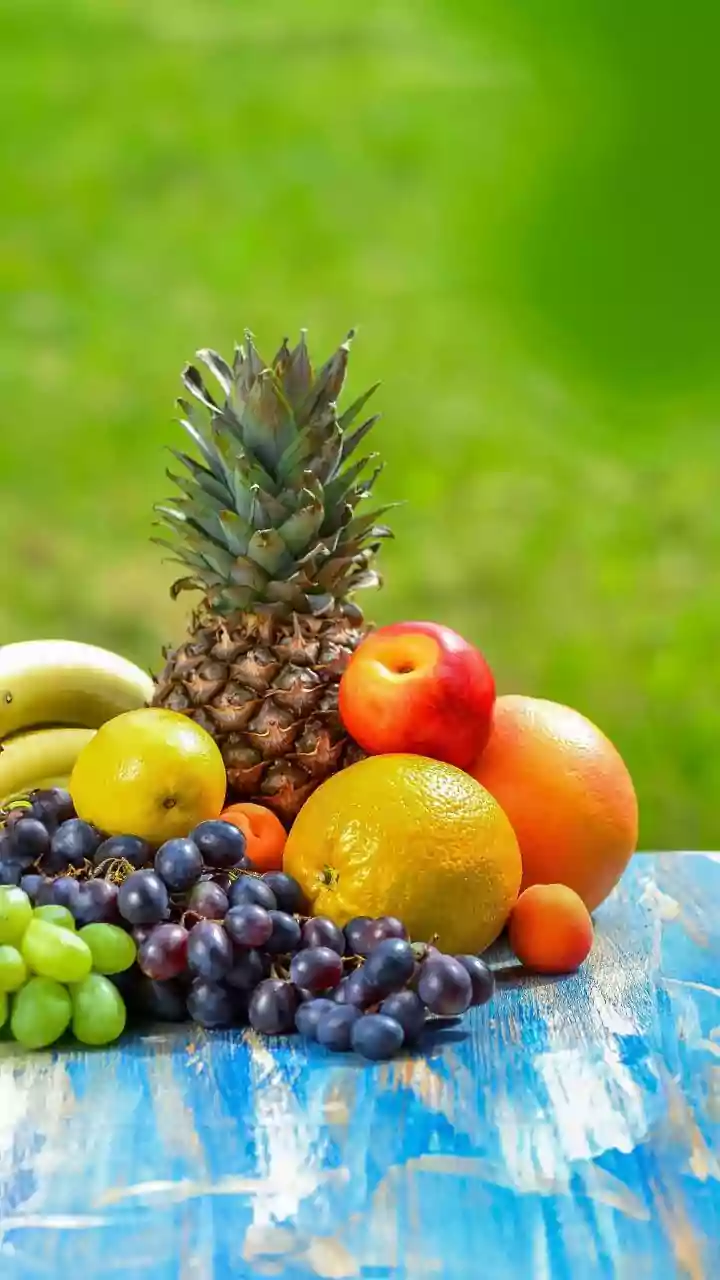
and widespread waterlogging create a perfect breeding ground for bacteria, viruses, and fungi. Contaminants from overflowing drains and sewers can easily find their way into the water supply and onto the surfaces of fresh produce sold in open markets. This makes us more vulnerable to ailments like gastroenteritis, typhoid, cholera, and dysentery. While we are often careful about the water we drink, we can sometimes overlook the risks lurking on the skin of our favourite fruits.
Why Fruit Peels Are a Problem
The peel is a fruit's natural armour, but during the monsoon, it can become a Trojan horse for pathogens. As fruits are transported, handled by multiple people, and displayed in markets, their surfaces collect a layer of dust, grime, and microbes. Rainwater, which may be contaminated, can splash onto them. Even a thorough wash under running water may not be enough to dislodge microscopic germs that hide in the tiny pores and crevices of the skin. Furthermore, pesticides and chemical ripening agents sprayed on crops can linger on the peel. When you bite into an unpeeled fruit or cut it without washing your hands after touching the skin, you risk transferring these harmful contaminants directly into your system.
Embrace the Peel-Away Favourites
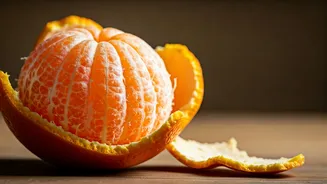
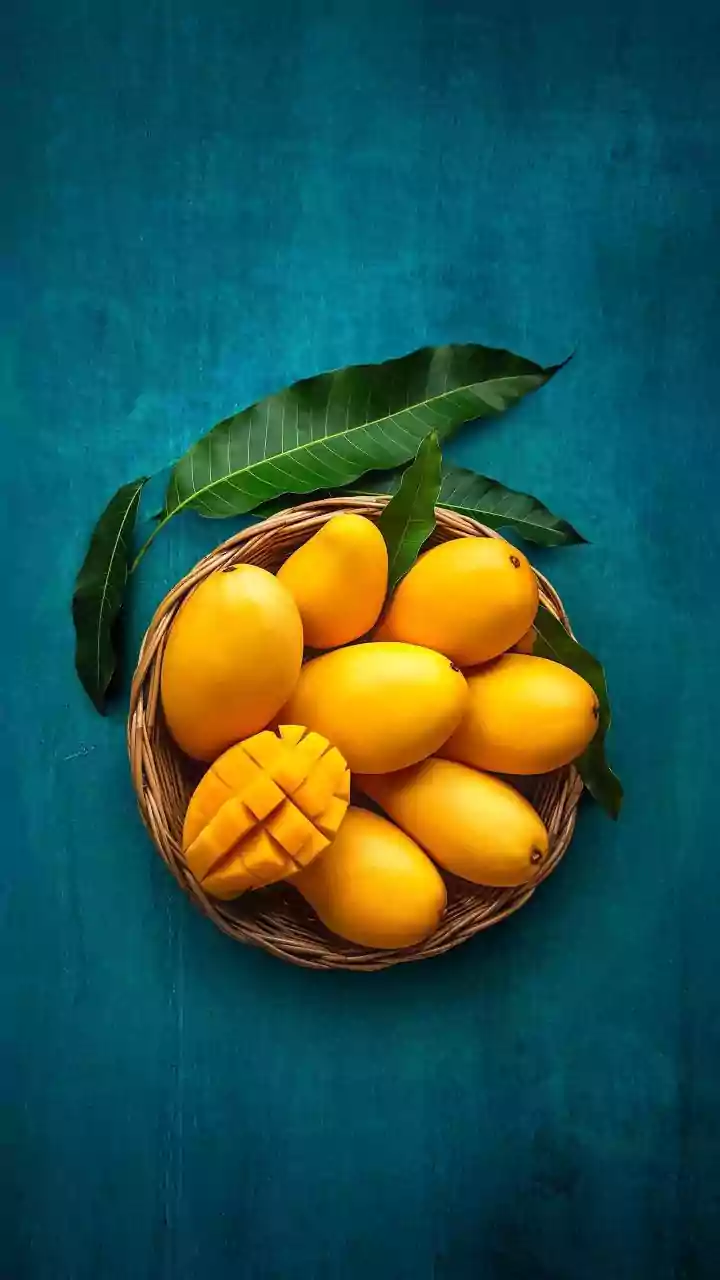
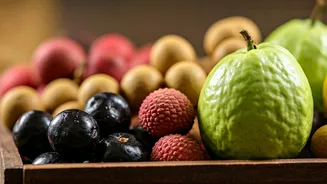
The easiest way to minimise risk is to choose fruits that you can peel, effectively discarding the contaminated outer layer. This simple act creates a physical barrier between the germs and the edible flesh. During the monsoon, make these your go-to snacks: - **Bananas:** The ultimate convenience fruit. Their thick, inedible peel provides excellent protection for the fruit inside. They are a great source of energy and potassium. - **Mangoes:** The king of fruits is a monsoon-adjacent delight. Always wash the mango thoroughly before you slice it, and ensure the knife doesn't carry contaminants from the skin to the flesh. - **Pomegranates:** The tough outer rind shields the jewel-like arils inside. Once you break it open, the edible part has had minimal exposure to the outside world. - **Lychees and Rambutans:** These seasonal treats come in their own protective casing. Peeling them just before eating is the safest way to enjoy their sweet, juicy flesh. - **Papayas and Melons:** With their thick skins, these fruits are generally safe once peeled. Just be sure to wash the outer surface before cutting to prevent transferring bacteria from the rind to the fruit.
What About Apples, Pears, and Guavas?
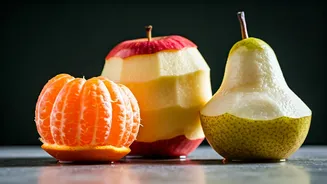
Many of our favourite fruits, like apples, pears, guavas (amrood), and plums (aloo bukhara), have thin, edible skins that are packed with fibre and nutrients. Giving them up entirely isn't necessary, but they require extra care during this season. Simply rinsing them won't do. The best practice is to wash them vigorously under clean, running water. You can use a soft-bristled vegetable brush to gently scrub the surface. For an added layer of safety, you can soak them for 10-15 minutes in a solution of water with a splash of vinegar or a pinch of baking soda, which helps dislodge some surface contaminants. After soaking, rinse them again thoroughly. If you are particularly concerned or have a sensitive stomach, the safest bet is to peel them, even if you normally wouldn't.
Steer Clear of Pre-Cut Fruits
As tempting as those colourful plates of pre-cut fruit from street vendors may look, they are best avoided during the monsoon. You have no way of knowing how long ago the fruit was cut, whether it was washed properly, what kind of water was used, or if the cutting board and knife were clean. The longer cut fruit is exposed to the humid air, the greater the chance for bacterial growth. The risk of contamination is simply too high. Always buy whole fruits and cut them yourself at home, right before you plan to eat them. This ensures maximum freshness and safety.