




More Than Just Pretty Spaces
For too long, the conversation around public parks in India has been limited to aesthetics—a patch of green to break the monotony of grey. But this view is dangerously outdated. A well-designed, accessible park is a piece of critical urban infrastructure,
as vital as a flyover or a metro line. These spaces are multi-functional powerhouses, delivering benefits across public health, social cohesion, environmental resilience, and even the economy. They are where communities can form, where children can play safely, and where citizens can find a moment of peace in an otherwise chaotic environment. To see them merely as decorative is to miss their profound potential to make our cities not just more liveable, but more equitable and sustainable.
The Sobering Reality on the Ground
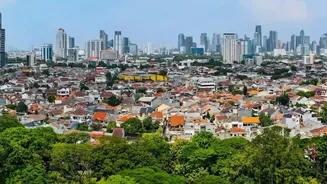
Despite their importance, the state of public parks in many major Indian cities is a story of neglect and missed opportunities. Many are poorly maintained, with broken equipment and inadequate sanitation. In rapidly densifying cities, open spaces are often the first casualty, eyed for real estate development or encroached upon. A 2024 study in Bengaluru, for example, found that 19 of its 198 wards had no park at all. Furthermore, access is often restricted, with many parks closed during large parts of the day, effectively locking out workers, students, and anyone not on a leisurely morning-walk schedule. This isn't just poor management; it's a failure to serve the public, turning potential community hubs into exclusive, underutilised amenities.
A Prescription for Public Health
The health case for parks is overwhelming. In a nation grappling with rising rates of non-communicable diseases, parks are free, open-air gyms. They encourage physical activity, which is crucial when a significant percentage of Indian adults and adolescents are insufficiently active. But the benefits are not just physical. Numerous studies confirm that access to green spaces significantly reduces stress, anxiety, and depression. Time spent in nature improves mood, focus, and overall mental well-being, offering a vital antidote to the pressures of urban life. In an increasingly digital and isolated world, parks provide a space for real-world social connection, which is itself a powerful determinant of health.
Our Frontline Climate Defence
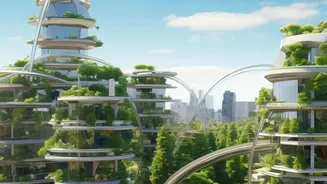
As Indian cities face the escalating threats of climate change, from brutal heatwaves to intense flooding, parks emerge as a key line of defence. Green spaces are natural air conditioners, mitigating the urban heat island effect by providing shade and releasing moisture; a significant increase in tree cover can lower local temperatures. Their permeable surfaces are also crucial for managing stormwater, absorbing rainwater and reducing the burden on overstretched drainage systems that lead to frequent urban floods. Trees and vegetation act as natural filters, absorbing pollutants and improving air quality in some of the world's most polluted cities. Investing in green infrastructure is no longer an option; it is a climate adaptation necessity.
An Engine for Economic and Social Value
Viewing parks as a cost is a fundamental miscalculation. Well-maintained public parks are economic assets that deliver tangible returns. They have been shown to increase the value of nearby properties, boosting municipal tax revenues. They can become attractions for local tourism, hosting cultural events, festivals, and markets that support small businesses and foster a vibrant community identity. But their most important value is social. Parks are democratic spaces where people from all walks of life can interact, breaking down the social silos that often define urban living. They are where a city’s collective life unfolds, building the social fabric that is the true foundation of a thriving community.
What 'Thinking Harder' Looks Like
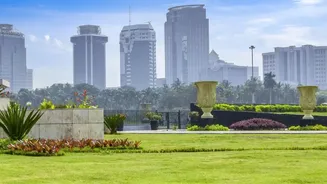
So, what does it mean for cities to 'think harder' about parks? It means moving beyond token green patches and adopting integrated planning that treats green space as essential. It requires protecting existing parks from encroachment and ensuring new developments include accessible, high-quality public spaces. It means designing for everyone—children, the elderly, women, and people with disabilities—and keeping parks open when people can actually use them. It involves innovative approaches like community co-management, ensuring that the people who use the parks have a say in how they are run. It’s about funding maintenance properly and viewing it not as an expense, but as an investment in the city’s long-term health and prosperity.