





The Challenge of Mixed Palates
We’ve all been there. You're planning a menu for friends or family, and the spice-level requests are all over the map. Your brother wants his curry so hot it makes his eyes water, while your cousin prefers a dish with flavour but no burn. The traditional
approach might involve making two separate versions of the same dish, which doubles the work and the washing up. Alternatively, you might cook one medium-spicy dish that fully satisfies no one. It’s a classic hosting headache that can take the joy out of sharing a meal. The fear of making a dish too spicy for some or too bland for others is real, but catering to everyone is easier than you think.
What is the 'Mild Base' Method?
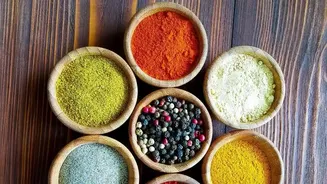
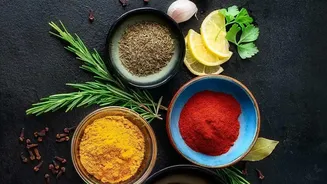
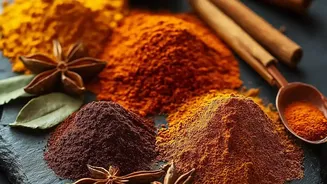
The secret lies in de-coupling flavour from heat. The 'mild base' method involves creating a foundational sauce or gravy that is rich with aromatics and spices, but contains absolutely no (or very little) chilli. Many people confuse 'spicy' with 'hot', but in Indian cooking, the two are distinct. Spices like turmeric, coriander, cumin, and cardamom provide depth, aroma, and complexity without generating the burn that comes from capsaicin, the compound in chillies. By preparing a flavourful but non-fiery base, you create a delicious foundation that everyone can eat. The heat is then added at the end, tailored to each person's preference.
How to Build Your Flavour Foundation
A great mild base starts with the same building blocks as any good curry. The key is to focus on the aromatic ingredients. Start by sautéing onions, ginger, and garlic until they are soft and golden. This creates a sweet, savoury foundation. Add tomatoes and cook them down to a paste for body and a touch of acidity. Next, introduce your ground and whole spices. Think turmeric for its earthy notes and vibrant colour, coriander for its citrusy warmth, and cumin for its smoky depth. Whole spices like cinnamon sticks, cloves, and green cardamom pods can be bloomed in the oil at the start to infuse the entire dish with their fragrance. The crucial step is to omit any red chilli powder, cayenne, or fresh green chillies from this initial stage. The result is a beautifully fragrant, complex, and flavour-packed curry base that is completely mild.
The Art of Adding Heat at the End
Once your main dish is cooked and you've set aside portions for those who prefer mild food, it's time to introduce the heat. There are several effective ways to do this. One of the most authentic methods is to prepare a tarka, or tempering. In a small pan, heat some ghee or oil and add ingredients like mustard seeds, dried red chillies, and a generous pinch of red chilli powder. Once the spices are sizzling and fragrant, this fiery mixture can be stirred into individual bowls or into the main pot after the mild portions have been served. Another simple option is to offer spicy condiments at the table. A high-quality chilli oil, a fiery pickle (achaar), or a simple bowl of finely chopped fresh green chillies and onions allows guests to customize their own heat level. This turns the meal into an interactive experience and puts everyone in control of their own plate.
Dishes That Work Best with This Technique
This method is incredibly versatile and works well for a wide range of popular Indian dishes. Creamy, rich curries are particularly well-suited. Think of a classic Paneer Butter Masala, Dal Makhani, or a mild Chicken Korma. Their smooth sauces are perfect for making as a mild base and then amping up with a spicy tarka. Legume-based dishes like Chana Masala or Rajma are also excellent candidates. You can even adapt this technique for drier dishes. For example, when making Aloo Gobi, simply prepare the potato and cauliflower with all the spices except chilli, then toss a portion with a spicy finish for those who want a kick.